

 Buy Now

At What Age Does a Man Stop Ejaculating?

Introduction

You're probably wondering: at what age does a man stop ejaculating? The short answer? Most men never fully stop.
That’s right—unlike women, who go through menopause, men don't have a clear cut-off point for ejaculation. But with age, things do change. Your body produces less testosterone, your erections may feel weaker, and yes—ejaculation can feel different too.
Still, many older men continue to enjoy satisfying sex well into their 70s and 80s.
In this article, we’ll explore how aging affects ejaculation, what science says about sperm production, and what you can do to maintain sexual health as you age.
Whether you're in your 30s, 50s, or beyond, understanding your body helps you stay confident and in control.
Does Age Affect Ejaculation?

Yes—age does affect ejaculation, but it's not an on/off switch. The process becomes less forceful, slower, and lower in volume for many men.
Here’s how it changes:
-
Reduced semen volume: After 40, the prostate and seminal vesicles produce less fluid.
-
Longer recovery times: Known as the refractory period, this can increase from minutes to hours.
-
Less intense orgasms: Due to lower nerve sensitivity and testosterone levels.
-
Erectile issues: Not directly about ejaculation, but they do make it harder to reach that point.
Despite these changes, many men still produce sperm and ejaculate as they age. It’s just not the same as in your 20s.
But these changes are normal. In fact, aging sexually is nothing to fear—it’s something to understand, and more importantly, optimize with good habits.
At What Age Does a Man Stop Ejaculating?

There is no specific age where a man automatically stops ejaculating. Many men can ejaculate throughout their entire lives, assuming no major medical issues.
What typically changes with age is the quality of the ejaculation:
-
Ejaculate may become thinner
-
Force of release may weaken
-
Volume of semen may reduce
-
Climax might feel less intense
In rare cases, some men stop ejaculating due to medical conditions like:
-
Prostate surgery (especially after cancer)
-
Diabetes or neurological disorders
-
Side effects of medication
But these are exceptions, not the rule.
So, at what age does a man stop ejaculating? For most healthy men, there’s no real age limit. Ejaculation may change—but it doesn’t just stop.
That said, if you notice a sudden loss of ejaculation or changes that concern you, it’s wise to talk to a urologist. It could be a sign of something that’s easy to treat—like low testosterone or a medication side effect.
Maintaining a healthy lifestyle, staying sexually active, and addressing issues early can help preserve function long-term.
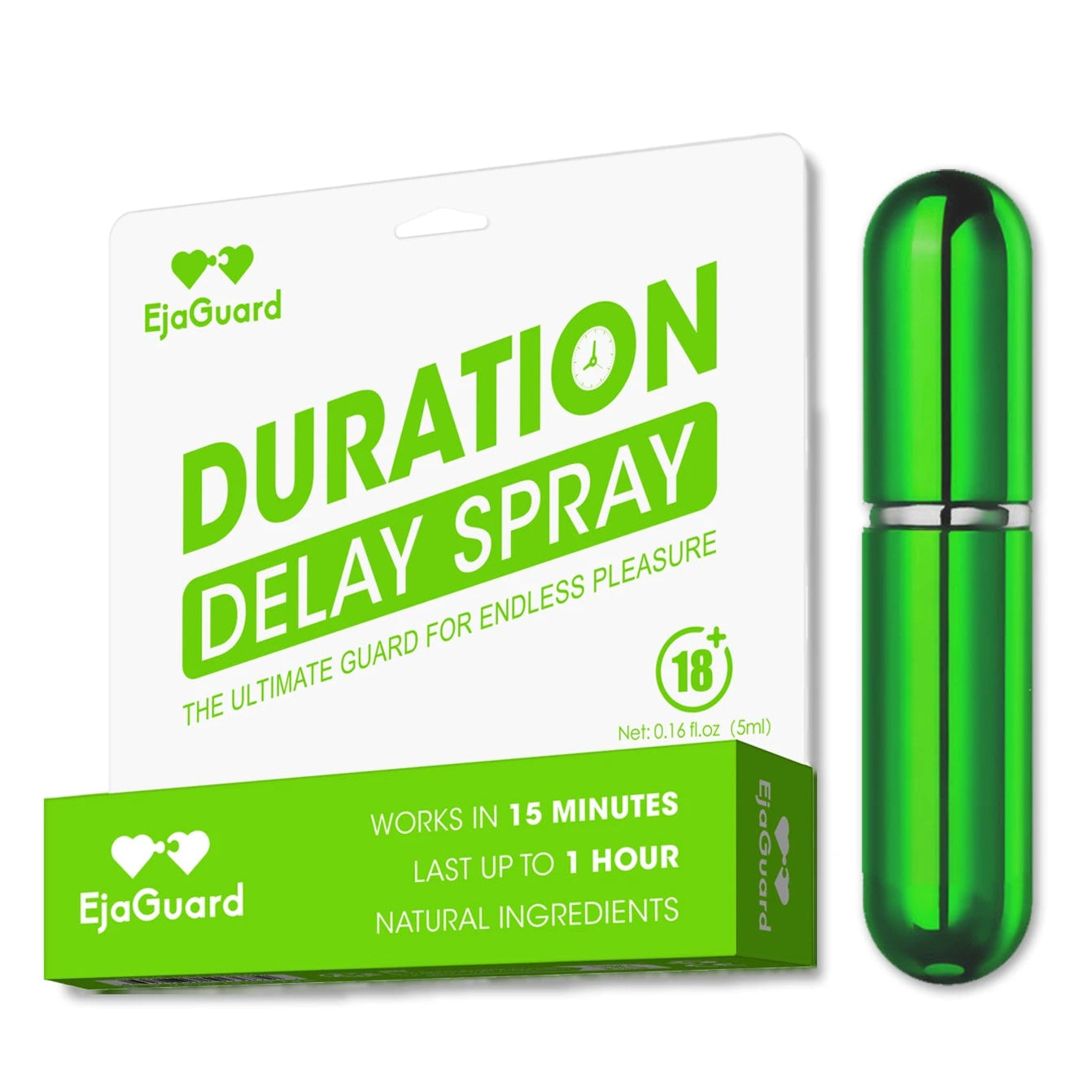
For performance support during these changes, EjaGuard Delay Spray can help men of all ages manage timing and sensitivity
Understanding Male Fertility and Sperm Production

Many confuse ejaculation with fertility. Let’s clear that up.
Ejaculation is the release of semen.
Fertility depends on how many healthy sperm are in that semen.
Men continue to produce sperm well into old age. In fact, some men in their 70s and even 80s have fathered children.
But aging does affect:
-
Sperm count (how many)
-
Motility (how well they swim)
-
DNA quality (which affects fertility and baby health)
While men technically don’t go through menopause, there's a term called andropause, referring to a slow decline in testosterone. This hormonal dip can reduce libido, energy, and sperm quality—but again, it doesn’t mean ejaculation stops.
If you’re trying to conceive at an older age, consider a fertility test. Supplements, improved nutrition, and ejaculation frequency can all improve sperm health.
Check out our guide on increasing stamina and maintaining sperm quality for aging men.
Sexual Health Changes in Older Men
Beyond ejaculation, men experience other sexual changes as they age. These are normal, but worth understanding.
Common changes:
-
Longer time to get hard
-
Less rigid erections
-
Less pre-cum
-
Lower sex drive
These shifts are often linked to testosterone decline, stress, medications, or lifestyle factors like poor sleep and lack of exercise.
Still, many men maintain an active and fulfilling sex life well into their later years.
And here’s some good news: regular sexual activity can help maintain sexual function. It’s like a muscle—use it or lose it.
You can also enhance your performance with natural solutions like EjaGuard delay spray or lubricants, especially if stamina is a concern.
Explore EjaGuard Lubricants for more comfort and sensation during intimacy.
Can Men Ejaculate After 60, 70, or Even 80?
Yes, yes, and yes!
A man can still ejaculate after 60, 70, or 80, depending on his overall health, hormone levels, and medications.
In fact, a study in The Journal of Sexual Medicine showed that many men over 70 still reported sexual activity and ejaculation—although often less frequently than in younger years.
Factors that support healthy ejaculation in older men:
-
Healthy blood flow
-
Balanced testosterone
-
Active sex life
-
Stress management
-
Pelvic floor strength (hint: try Kegels)
Of course, things won’t feel exactly like they did in your 20s. But they don’t have to. Aging sexually doesn’t mean being less masculine—it means evolving.
Whether you’re partnered or solo, maintaining intimacy can support not only your relationship—but your long-term health.
Factors That Influence Ejaculation With Age
Several factors affect a man’s ability to ejaculate as he ages. Knowing them helps you stay ahead of changes.
Key influences:
-
Testosterone levels: Lower T means lower libido and weaker orgasms.
-
Medications: Antidepressants, blood pressure meds, and others can delay or block ejaculation.
-
Prostate health: Enlarged prostate or surgery may reduce or stop semen release.
-
Chronic illnesses: Diabetes, MS, or Parkinson’s can impair sexual nerves.
-
Mental health: Anxiety and depression often reduce arousal and climax.
If you notice major changes, don’t just accept them. Small lifestyle tweaks—and products like EjaGuard—can make a big difference.
How to Maintain Healthy Ejaculation As You Age
Want to keep things working smoothly? Here’s how to protect and boost your ejaculation ability at any age.
Tips for stronger performance:
-
Do Kegel exercises: Strengthens the muscles used during climax
-
Use delay sprays: EjaGuard can help if you’re finishing too fast
-
Eat smart: Zinc, omega-3s, and vitamin D support testosterone and sperm
-
Get enough sleep: Testosterone is made during deep sleep
-
Stay sexually active: Even masturbation helps keep the system strong
-
Reduce stress: Chronic stress lowers libido and hormone levels
You’re never too old to prioritize sexual health.
FAQs
What age do men stop ejaculating?
Most men never fully stop. Ejaculation may weaken with age, but it continues for life in healthy men.
Can men still ejaculate after 70?
Yes. Many men over 70 continue to ejaculate, though changes in force and volume are normal.
Does testosterone affect ejaculation?
Absolutely. Low testosterone can reduce semen volume, libido, and orgasm intensity.
Is it normal for semen volume to decrease with age?
Yes. It's a common and natural part of aging due to prostate and seminal gland changes.
Conclusion & Call to Action
So, at what age does a man stop ejaculating? The real answer is—it depends on your health, habits, and hormones. For most men, ejaculation doesn’t stop—it simply evolves.
You can take control of your sexual health, no matter your age. Stay active, stay informed, and don’t be afraid to explore natural aids like EjaGuard’s delay sprays and lubricants.
Want to last longer, feel more pleasure, and maintain your edge as you age?
Explore EjaGuard’s products today—and take the first step toward your best sex life yet.
