

 Buy Now
Beta Blockers for Anxiety: Benefits, Risks & When to Use Them

Introduction to Beta Blockers for Anxiety

If you're dealing with anxiety, especially performance anxiety, you may have heard of beta blockers as a possible solution. Originally designed to treat heart issues, these medications are now used by many to manage the physical symptoms of anxiety. But are beta blockers for anxiety a good idea? And how do they work?
This guide explores how beta blockers help reduce anxiety symptoms, when they're most effective, and what alternatives might be worth considering.
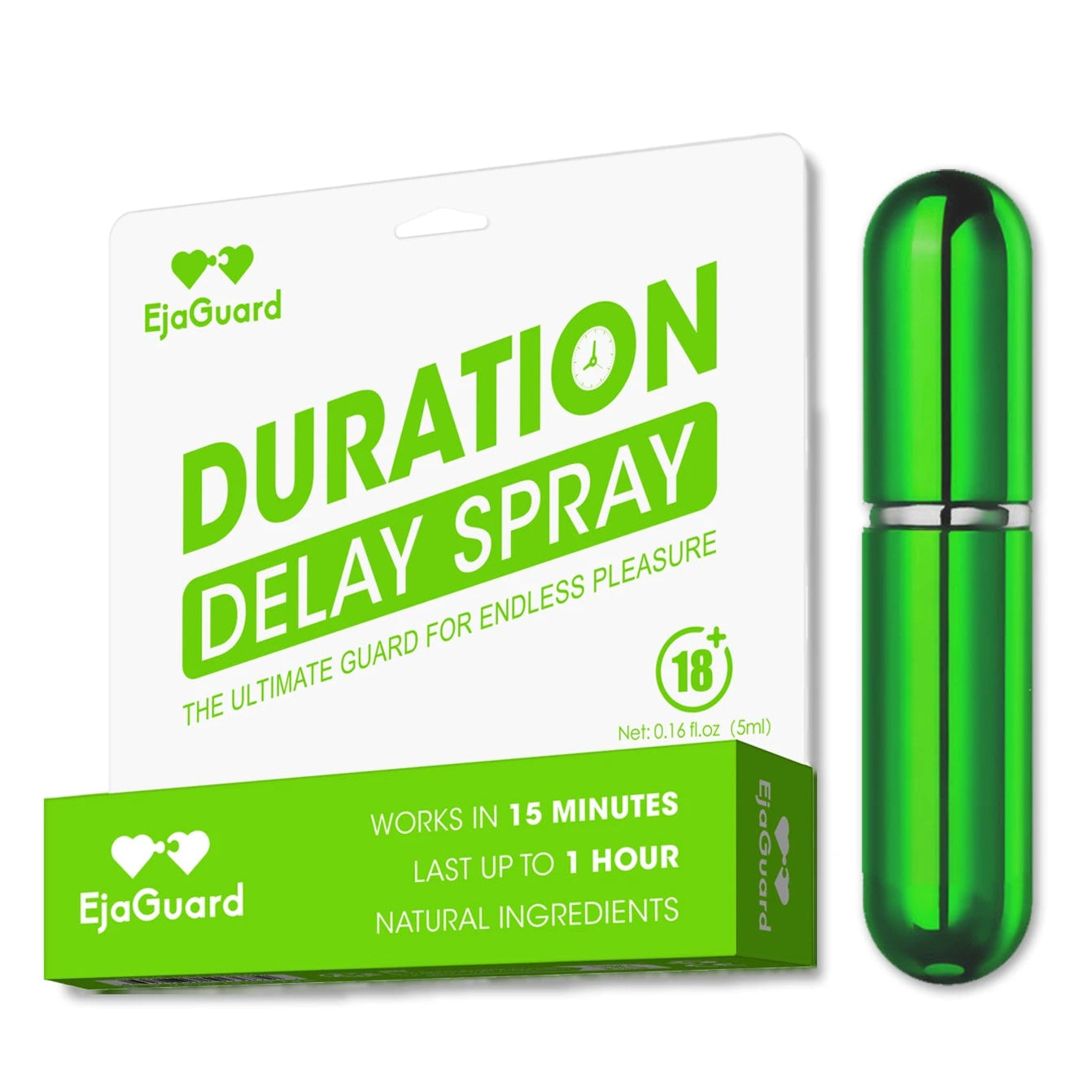
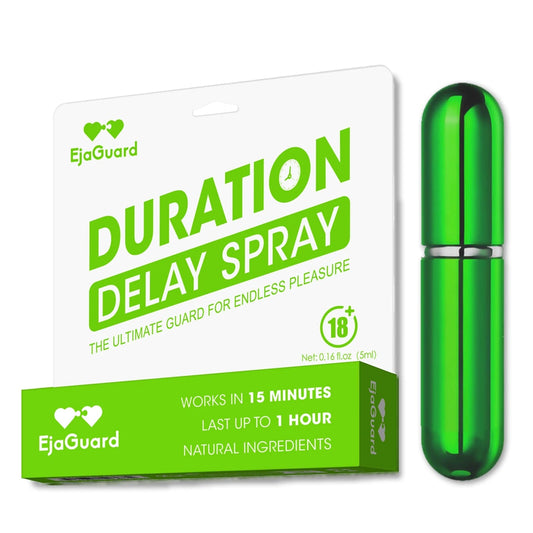
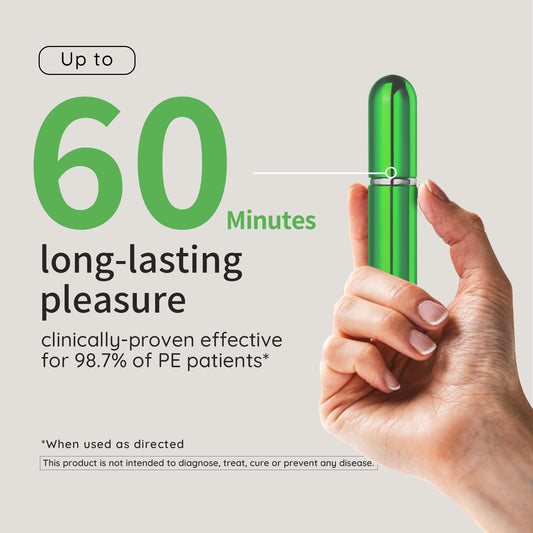
If your anxiety is tied to intimacy or performance, our EjaGuard delay spray offers a natural, fast-acting alternative designed to calm nerves and enhance stamina.

What Are Beta Blockers?
Beta blockers, or beta-adrenergic blocking agents, are medications that reduce blood pressure by blocking the effects of adrenaline. This helps slow your heart rate, reduce shaking, and lower stress levels in the body.
Doctors commonly prescribe beta blockers for conditions like:
-
High blood pressure
-
Heart rhythm disorders
-
Chest pain (angina)
However, because they calm physical reactions, beta blockers are often used off-label to help with anxiety.
How Beta Blockers Work for Anxiety

Anxiety often triggers a fight-or-flight response: your heart races, your hands tremble, and you may feel short of breath. Beta blockers prevent these symptoms by blocking the adrenaline that fuels them.
They don’t treat the root cause of anxiety, but they help control its physical effects. This makes them especially useful for situational anxiety, like:
-
Public speaking
-
Stage fright
-
Job interviews
When taken before a stressful event, beta blockers help users feel physically calm, which can support mental clarity.
For more on how to manage physical responses to stress, explore the EjaGuard blog on controlling performance anxiety.
Best Beta Blockers for Anxiety Relief
Not all beta blockers are created equal when it comes to anxiety. The most commonly used include:
-
Propranolol: The most popular beta blocker for anxiety, especially performance anxiety.
-
Atenolol: Also effective with fewer side effects for some people.
Doctors usually prescribe low doses for occasional use. A common propranolol dosage for anxiety might be 10 to 40 mg taken an hour before a triggering event.
Beta Blockers vs Benzodiazepines

When comparing beta blockers vs benzodiazepines, it's important to understand the difference:
-
Beta blockers: Work best for physical symptoms. Not habit-forming. Best for short-term or situational use.
-
Benzodiazepines: Affect brain chemistry and are stronger. They can be addictive and are often used for generalized anxiety.
If your anxiety is mostly physical, beta blockers are a safer starting point.
Performance Anxiety and Beta Blockers
One of the most common uses of beta blockers for anxiety is handling stage fright or performance anxiety.
Actors, musicians, athletes, and public speakers often take beta blockers to prevent:
-
Racing heartbeat
-
Sweaty palms
-
Shaky voice
-
Trembling hands
By blocking these symptoms, users report feeling more confident and focused. Just one low dose can help you stay calm without sedating your mind.
Combine beta blockers or natural alternatives with EjaGuard's performance-boosting products for improved confidence in the bedroom or beyond.
Side Effects of Beta Blockers
While generally safe, beta blockers do come with possible side effects:
-
Fatigue or dizziness
-
Cold hands and feet
-
Low blood pressure
-
Slower heart rate
-
Trouble sleeping
Beta blockers are not recommended for people with asthma or certain heart conditions. Always talk to your doctor before using them.
Natural Alternatives to Beta Blockers
Looking for a drug-free solution? Try these natural alternatives to beta blockers:
-
Breathing exercises: Deep, slow breaths calm the nervous system.
-
Kava or L-theanine: Natural supplements shown to reduce anxiety.
-
Exercise: A proven way to release built-up adrenaline.
-
Delay sprays: For performance-related intimacy anxiety, products like EjaGuard delay spray offer a safe, natural solution.
These methods may help manage anxiety without relying on medication.
Delay sprays: For performance-related intimacy anxiety, EjaGuard Delay Spray offers a safe, natural solution that promotes control without medication.
When to Consider Beta Blockers for Anxiety
Beta blockers are best for people who:
-
Experience situational anxiety (public speaking, exams, performances)
-
Don’t want sedation or addictive medications
-
Need quick physical symptom relief
They are not ideal for generalized anxiety disorder or long-term use.
Talk to your doctor to see if beta blockers are right for your anxiety needs.
Final Thoughts
Beta blockers for anxiety can be a powerful tool when used correctly. While they don’t treat anxiety at its core, they help manage the uncomfortable symptoms that can interfere with performance and confidence.
If you're looking for short-term relief without the risk of addiction, beta blockers could be your best bet. But as always, consult a healthcare provider before starting any medication.
What are the most common beta blockers for anxiety? Propranolol and atenolol are the most used for anxiety relief, especially before high-stress events.
Can beta blockers help with social anxiety? They may reduce physical symptoms, but they don't address the emotional side of social anxiety.
Are beta blockers addictive? No, beta blockers are not considered habit-forming and are safer than benzodiazepines for occasional use.
Do beta blockers work immediately? They typically start working within 30 to 60 minutes, making them useful for situational anxiety.
