

 Buy Now
Can High Caffeine Intake Affect Premature Ejaculation? Understanding Stimulants, Anxiety, and Sexual Response

Introduction: Could Your Daily Coffee Be Affecting Your Sexual Performance?
Coffee is part of many people's daily routine. Some men drink it to wake up in the morning, others rely on energy drinks to get through long working hours, and plenty enjoy several cups of tea throughout the day.
Caffeine is widely used because it can increase alertness, reduce feelings of tiredness, and temporarily improve concentration. For most healthy adults, moderate consumption is generally considered safe.
But what happens when caffeine consumption becomes excessive? Can drinking too much coffee make you more sensitive, anxious, or physically stimulated during sexual activity? And could these effects contribute to premature ejaculation (PE)?
The relationship between caffeine and sexual performance is more complicated than it might initially seem.
There is currently no strong clinical evidence establishing caffeine as a direct cause of premature ejaculation. However, caffeine affects the central nervous system, sleep patterns, heart rate, and anxiety levels. These factors can influence how someone feels during sexual activity and may indirectly affect their ability to stay relaxed and maintain control.
Understanding this distinction is important. Drinking coffee does not automatically put someone at risk of PE, and avoiding caffeine is not an established treatment for the condition. Nevertheless, men who regularly consume large amounts of caffeine may benefit from understanding how it affects their bodies.
In this article, we will explore the science behind caffeine, its potential relationship with sexual function, and practical ways to manage caffeine consumption without unnecessarily giving up your favorite drinks.

Table of Contents
-
What Happens to Your Body When You Consume Caffeine?
-
How Does Caffeine Affect the Nervous System?
-
Is There a Direct Connection Between Caffeine and Premature Ejaculation?
-
Can Caffeine Make You Feel More Sexually Sensitive?
-
Caffeine, Anxiety, and Performance Pressure
-
Can Too Much Caffeine Affect Erectile Function?
-
Does Caffeine Affect Testosterone and Male Hormones?
-
How Caffeine and Sleep Quality May Influence Sexual Health
-
Coffee, Tea, Energy Drinks, and Caffeine Supplements: Are They Different?
-
How Much Caffeine Is Too Much?
-
Should Men With Premature Ejaculation Reduce Caffeine?
-
How to Track Your Caffeine Intake and Sexual Response
-
Lifestyle Habits That May Support Better Ejaculation Control
-
Where Do Delay Sprays Fit Into the Picture?
-
When Should You Seek Professional Help?
-
Final Thoughts
1. What Happens to Your Body When You Consume Caffeine?
Caffeine is a natural stimulant found in coffee beans, tea leaves, cacao, and several other plants. It is also added to many commercially available beverages, supplements, and medications.
Its most familiar effect is increased alertness.
When caffeine enters the bloodstream, it travels to the brain and influences several chemical signaling systems. One of its primary actions is blocking adenosine receptors.
Adenosine is a chemical that gradually accumulates during waking hours and contributes to feelings of tiredness. By blocking its receptors, caffeine temporarily reduces the sensation of fatigue.
This explains why a cup of coffee can make someone feel more awake, even when they have not had enough sleep.
Caffeine can also temporarily increase heart rate, blood pressure, and certain aspects of nervous system activity. Some people experience these effects more strongly than others.
According to MedlinePlus's explanation of caffeine, caffeine stimulates the central nervous system and can produce effects such as increased alertness, restlessness, anxiety, and difficulty sleeping.
The effects are not limited to coffee. Tea, cola, chocolate, energy drinks, pre-workout supplements, and some over-the-counter medications can all contribute to daily caffeine intake.
For men who are interested in sexual health, the important question is whether these temporary physiological changes have any meaningful influence on sexual response.

2. How Does Caffeine Affect the Nervous System?
Sexual arousal and ejaculation are controlled by a complex interaction between the brain, spinal cord, peripheral nerves, and reproductive organs.
The nervous system plays a central role in recognizing sexual stimulation, processing sensations, regulating arousal, and coordinating ejaculation.
Caffeine influences the central nervous system, primarily by blocking adenosine receptors. It can also indirectly affect the release and activity of other signaling chemicals involved in alertness and arousal.
This does not mean caffeine directly activates the ejaculation reflex or causes someone to ejaculate sooner.
Rather, excessive stimulation may change how a person feels physically and mentally.
For example, someone who consumes several strong coffees might experience:
-
Increased alertness
-
Restlessness or nervous energy
-
A faster heartbeat
-
Difficulty relaxing
-
Heightened awareness of physical sensations
-
Greater difficulty falling asleep
These reactions vary significantly between individuals.
A person who regularly drinks coffee may tolerate it relatively well, while someone who rarely consumes caffeine may feel noticeably jittery after a single strong beverage.
The National Library of Medicine's overview of caffeine explains that caffeine affects the central nervous system and that its effects can continue for several hours after consumption.
This is relevant because sexual performance is not controlled by physical stimulation alone. Mental state, comfort, and the ability to regulate arousal also play important roles.

3. Is There a Direct Connection Between Caffeine and Premature Ejaculation?
At present, there is insufficient evidence to conclude that caffeine directly causes premature ejaculation.
There are studies examining caffeine consumption and other aspects of male sexual health, but research specifically investigating caffeine intake and ejaculation timing remains limited.
This distinction matters because different sexual functions should not be treated as interchangeable.
For example, research about erectile function cannot automatically be used to make conclusions about ejaculation control.
PE is generally characterized by ejaculation that occurs sooner than desired, difficulty controlling ejaculation, and associated personal or relationship distress.
It can be lifelong, meaning it has been present since a man's earliest sexual experiences, or acquired, meaning it develops after a period of previously satisfactory control.
Some men experience inconsistent early ejaculation in particular situations, while others experience persistent difficulties across most sexual encounters.
The European Association of Urology's guidelines on ejaculation disorders explain that PE involves multiple potential biological and psychological factors. These may include performance anxiety, erectile dysfunction, psychological stress, and certain underlying health conditions.
Caffeine is not established as a direct cause in these guidelines.
Therefore, if a man experiences PE, it would be inaccurate to assume that coffee consumption is responsible.
However, if someone notices that sexual performance feels different after consuming large amounts of caffeine, it may be worth examining whether associated effects such as anxiety, restlessness, or poor sleep are contributing to the experience.

4. Can Caffeine Make You Feel More Sexually Sensitive?
Some men describe feeling more physically stimulated or easily overwhelmed after consuming large amounts of caffeine.
This experience is not the same as medically established penile hypersensitivity, but it may influence how comfortable someone feels during sexual activity.
Caffeine can increase alertness and make some individuals more aware of bodily sensations. It may also produce restlessness, a faster heartbeat, or a feeling of being physically overstimulated.
For someone who is already concerned about ejaculation control, these sensations may become distracting.
Imagine a man who is preparing for intimacy after a long day. He has consumed several coffees, feels physically restless, and is already worried about ejaculating too quickly.
He may find it more difficult to relax and focus on the experience.
However, this does not establish that caffeine has increased the actual sensitivity of the penis or accelerated the biological ejaculation process.
There is an important difference between feeling more stimulated and having a measurable change in sensory function.
The National Center for Complementary and Integrative Health's information on energy drinks and related products provides useful context about stimulant-containing products and their potential effects on the body.
Men who notice unusual sensitivity should also consider other possible explanations, including anxiety, inflammation, irritation, and existing sexual health conditions.

5. Caffeine, Anxiety, and Performance Pressure
One of the more plausible ways excessive caffeine consumption could indirectly affect ejaculation is through anxiety.
Caffeine can produce symptoms that resemble or intensify physical anxiety, particularly in people who are sensitive to stimulants.
These symptoms may include:
-
A racing heartbeat
-
Restlessness
-
Shakiness
-
Nervousness
-
Difficulty concentrating
-
A feeling of being unable to relax
For someone who already experiences performance anxiety, these physical sensations may make sexual activity more stressful.
Performance anxiety can create a cycle.
A man worries that he may ejaculate too quickly. This worry increases his attention to every physical sensation. As arousal builds, he becomes increasingly concerned about losing control.
The pressure to perform can make it harder to remain relaxed and respond naturally.
If excessive caffeine adds restlessness or nervous energy to this situation, it may make the experience feel even more difficult.
However, the relationship is not universal. Some men consume coffee without experiencing anxiety, while others notice symptoms after relatively small amounts.
The FDA's guidance on caffeine consumption explains that excessive caffeine may cause anxiety, jitters, increased heart rate, and sleep disruption.
It is also important to understand that anxiety is not the only explanation for PE. Lifelong PE can involve other biological factors, and acquired PE may be associated with medical or psychological conditions.
Reducing caffeine may help some men feel calmer, but it should not be presented as a guaranteed solution for ejaculation difficulties.

6. Can Too Much Caffeine Affect Erectile Function?
Erectile function and ejaculation control are different aspects of sexual performance, but they can influence each other.
An erection depends on coordinated neurological, vascular, and hormonal processes. Adequate blood flow is particularly important for achieving and maintaining an erection.
Some research has investigated whether caffeine consumption is associated with erectile dysfunction (ED).
A 2024 meta-analysis published in the journal BMC Nutrition examined four cohort studies involving 51,665 men.
The researchers found no statistically significant relationship between coffee consumption and the risk of erectile dysfunction. They also noted that the available number of studies was limited.
You can read the 2024 meta-analysis on caffeine intake and erectile dysfunction for more details.
This finding is important because it challenges the assumption that drinking coffee automatically harms male sexual function.
However, it also does not prove that high-dose caffeine is beneficial for erections.
Individual responses can differ, and energy drinks containing large amounts of caffeine may produce stronger cardiovascular effects than ordinary coffee or tea.
There is another important connection between ED and PE.
Some men with erectile difficulties become anxious about losing their erection. They may rush sexual activity or increase stimulation because they are worried about maintaining an erection.
This can contribute to secondary ejaculation difficulties.
The EAU guidelines discuss the overlap between ED and PE, including the role of performance anxiety.
For men experiencing both conditions, identifying the underlying problem is more useful than assuming that caffeine alone explains everything.
You can also read our article on the relationship between premature ejaculation and erectile dysfunction for a more detailed explanation.

7. Does Caffeine Affect Testosterone and Male Hormones?
Testosterone is an important hormone in male sexual development and health.
It contributes to libido, reproductive function, muscle development, bone health, and several metabolic processes.
Because caffeine affects the nervous system and can temporarily influence certain hormones, some men wonder whether drinking coffee changes testosterone levels.
Research in this area is not entirely consistent.
Some studies have examined short-term hormonal changes following caffeine consumption, particularly around exercise. However, these findings do not establish that ordinary coffee consumption causes a lasting increase or decrease in testosterone.
It is also important to distinguish temporary hormonal fluctuations from clinically meaningful hormone deficiency.
Testosterone levels naturally vary throughout the day and may be influenced by age, sleep, illness, exercise, medication, and overall health.
The Endocrine Society's information on testosterone deficiency explains that low testosterone should be assessed using appropriate symptoms and laboratory testing rather than assumptions based on lifestyle habits alone.
A man with low libido, reduced energy, or persistent erectile difficulties should not automatically blame caffeine.
Similarly, testosterone should not be assumed to be the explanation for premature ejaculation.
PE and testosterone deficiency are separate issues, and there is no established evidence that reducing caffeine is a treatment for hormone-related sexual problems.

8. How Caffeine and Sleep Quality May Influence Sexual Health
Sleep is an important part of overall health, including male sexual function.
Consistently poor sleep can affect mood, concentration, energy levels, and the body's ability to recover.
Caffeine can interfere with sleep because it blocks adenosine receptors, reducing the sensation of tiredness.
This may be helpful when someone needs to stay awake temporarily, but it can become counterproductive when caffeine is consumed too late in the day.
For example, someone who drinks coffee in the late afternoon may feel alert at bedtime, take longer to fall asleep, or experience less restorative sleep.
The next morning, that person may feel tired and consume more caffeine to compensate.
Over time, this can create a cycle of caffeine use and sleep disruption.
The FDA notes that caffeine may remain in the body for several hours, while a review published in 2024 discussed how caffeine can delay sleep onset and affect sleep architecture.
Read more about caffeine and its effects on sleep.
How does this relate to PE?
There is no established evidence that caffeine-related sleep disruption directly causes premature ejaculation.
However, poor sleep can contribute to irritability, stress, reduced concentration, and lower overall well-being. These factors may make sexual activity feel more difficult for some men.
The EAU guidelines also identify poor sleep quality among factors that may be associated with acquired PE.
For men who experience both sleep problems and ejaculation difficulties, improving sleep habits may be a reasonable part of a broader health strategy.
Our article on how regular exercise may support premature ejaculation management also discusses the importance of general health habits in supporting sexual well-being.

9. Coffee, Tea, Energy Drinks, and Caffeine Supplements: Are They Different?
Not all caffeinated products contain the same amount of caffeine.
A small cup of tea may contain considerably less caffeine than a large brewed coffee, while some energy drinks and concentrated supplements can deliver substantial amounts in a single serving.
Common caffeine sources include:
| Product | Approximate caffeine content |
|---|---|
| Brewed coffee, 12 oz | 113–247 mg |
| Black tea, 12 oz | Around 71 mg |
| Green tea, 12 oz | Around 37 mg |
| Energy drink, 12 oz | 41–246 mg |
| Caffeinated soft drink, 12 oz | 23–83 mg |
These are approximate values. Actual amounts vary by brand, serving size, preparation method, and product formulation.
The FDA's caffeine guide provides additional information about caffeine levels in common beverages.
Coffee
Coffee is one of the most common caffeine sources.
Its caffeine content varies considerably depending on the beans, brewing method, serving size, and preparation.
A large specialty coffee may contain much more caffeine than someone expects.
Tea
Black tea and green tea generally contain caffeine, although their amounts are often lower than those in many coffee servings.
Tea can be a useful alternative for people who want to reduce their caffeine intake gradually without immediately switching to completely caffeine-free drinks.
Energy Drinks
Energy drinks deserve particular attention because some products contain high levels of caffeine.
They may also contain sugar, guarana, and other ingredients that contribute to the overall stimulant effect.
Some people consume multiple cans without realizing how much caffeine they are taking in.
Pre-Workout Supplements
Pre-workout products may contain concentrated caffeine and other stimulating ingredients.
People who exercise regularly should check the ingredient list rather than assuming that supplements are automatically safer than ordinary beverages.
The important factor is total caffeine intake, not simply the number of cups of coffee consumed.
10. How Much Caffeine Is Too Much?
There is no single caffeine limit that works equally well for everyone.
The FDA cites 400 milligrams per day as an amount that is not generally associated with negative effects for most healthy adults.
However, this is not a personal target or a guarantee that everyone can tolerate that amount.
Some individuals experience anxiety, palpitations, or sleep disruption at much lower levels.
Factors that may influence caffeine sensitivity include:
-
Body weight and metabolism
-
Genetics
-
Age
-
Medication use
-
Existing medical conditions
-
Regular caffeine consumption
-
Time of consumption
For example, a man who drinks coffee every morning may tolerate it better than someone who rarely consumes caffeine.
Even so, tolerance does not mean that caffeine has no effect on sleep or other physiological processes.
The Mayo Clinic's caffeine guidance explains common intake considerations and potential side effects.
A useful first step is to calculate how much caffeine you actually consume.
Instead of counting only coffee cups, include tea, energy drinks, chocolate, supplements, and medications that contain caffeine.
If you regularly experience unwanted effects, consider reducing your intake gradually.
Stopping suddenly may cause temporary withdrawal symptoms such as headaches, fatigue, and irritability.

11. Should Men With Premature Ejaculation Reduce Caffeine?
For men with PE, reducing caffeine may be worth considering if they notice that it makes them anxious, restless, or unable to sleep properly.
However, it should be treated as a personal lifestyle adjustment rather than an established PE treatment.
Consider the following situations.
If Caffeine Makes You Feel Anxious
If drinking coffee causes a racing heartbeat, nervousness, or excessive restlessness, reducing your intake may help you feel more comfortable.
This could indirectly improve the conditions in which sexual activity takes place.
If You Drink Coffee Late in the Day
If caffeine interferes with your sleep, adjusting the timing of consumption may help improve sleep quality.
Better rest can support mood, concentration, and general well-being.
If You Feel Fine After Drinking Coffee
There is no established medical reason for every man with PE to stop drinking coffee.
Moderate caffeine consumption is generally compatible with a healthy lifestyle for many adults.
The goal should be to understand your own response rather than follow unnecessary restrictions.
If You Have Persistent PE
If ejaculation difficulties occur regularly and cause distress, reducing caffeine should not replace a proper evaluation.
PE can involve multiple factors, and an appropriate management plan may include medical treatment, behavioral approaches, psychological support, or a combination of methods.
The AUA/SMSNA guideline on premature ejaculation emphasizes the importance of a detailed sexual and medical history when evaluating ejaculation concerns.
12. How to Track Your Caffeine Intake and Sexual Response
For men who suspect that caffeine affects their sexual performance, a simple observation period may be more useful than making assumptions.
You do not need complicated equipment or a strict tracking system.
Start by recording your usual caffeine consumption for several days.
Include:
-
What caffeinated drinks you consume
-
Approximate serving sizes
-
The time you consume them
-
Whether you experience restlessness or anxiety
-
How well you sleep
-
Whether you notice changes in sexual comfort or performance
After establishing your usual pattern, consider reducing caffeine gradually if your intake is high or you experience unwanted symptoms.
You might replace one afternoon coffee with decaffeinated coffee or tea, for example.
Try to keep other lifestyle habits reasonably consistent during this period. Major changes in sleep, exercise, alcohol consumption, and relationship circumstances can make it difficult to identify what is influencing your experience.
It is also important not to overanalyze individual sexual encounters.
Ejaculation timing naturally varies from one occasion to another. A single experience should not be treated as proof that a beverage has changed your sexual function.
Instead, look for consistent patterns over time.
For example, if you repeatedly notice that large amounts of caffeine make you feel anxious and uncomfortable, reducing your intake may be a reasonable personal choice.
However, even if your symptoms improve, that does not prove caffeine was the underlying cause of PE.
13. Lifestyle Habits That May Support Better Ejaculation Control
Caffeine is only one part of a much larger picture.
Sexual function is influenced by physical health, psychological well-being, relationship factors, and individual sexual experiences.
For men who want to improve ejaculation control, a broader approach is generally more useful than focusing on one beverage.
Maintain a Consistent Sleep Schedule
Try to maintain regular sleeping and waking times.
If caffeine interferes with sleep, consider avoiding it later in the day.
Exercise Regularly
Physical activity supports cardiovascular health, mood, and general fitness.
It may also help reduce stress and improve confidence.
However, exercise should not be described as a guaranteed cure for PE.
Manage Stress
Work pressure, financial concerns, relationship tension, and performance anxiety can all affect sexual experiences.
Relaxation exercises, mindfulness, and psychological support may help some men manage these concerns.
Avoid Excessive Alcohol Consumption
Alcohol can affect sexual function in different ways, including erection quality, coordination, and judgment.
It is also important not to use alcohol as a strategy for delaying ejaculation.
Maintain a Balanced Diet
A balanced diet supports cardiovascular and metabolic health.
There is no particular food proven to directly cure premature ejaculation, but healthy eating habits can contribute to overall well-being.
Communicate With Your Partner
If PE is causing frustration or embarrassment, open communication can reduce unnecessary pressure.
Sexual activity should not become a performance test in which every encounter is judged by a stopwatch.
A more balanced approach can help couples focus on comfort, connection, and mutual satisfaction.
14. Where Do Delay Sprays Fit Into the Picture?
For men who experience PE, topical delay sprays are one option that may help manage sensitivity.
These products are separate from caffeine management and do not work by changing the body's response to stimulants.
Many conventional delay sprays contain local anesthetic ingredients such as lidocaine or benzocaine. They temporarily reduce sensitivity in the application area, which may help some men delay ejaculation.
Different formulations can produce different levels of sensation reduction.
Some men prefer stronger desensitization, while others want a milder effect that allows them to preserve more natural sensation.
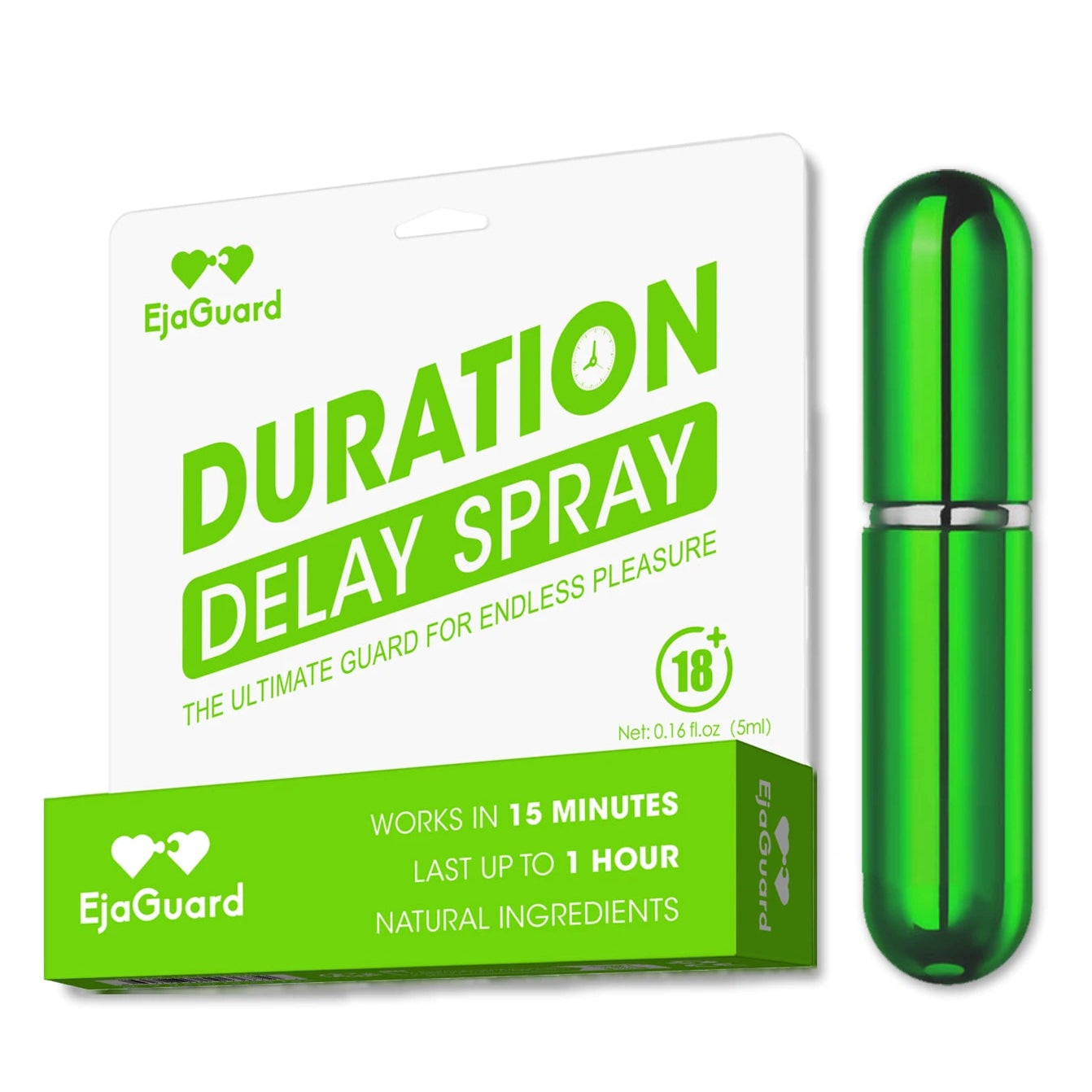
EjaGuard is a herbal delay spray positioned for men who prefer a milder, sensation-conscious approach.
It may be worth exploring for adults interested in topical options, particularly those who do not want an excessively numb feeling.
You can learn more about EjaGuard Delay Spray and review the guide to using delay spray before deciding whether this type of product is appropriate.
However, expectations should remain realistic.
A delay spray does not treat caffeine sensitivity, anxiety disorders, sleep problems, or underlying medical conditions. It is not a substitute for professional evaluation when ejaculation difficulties are persistent.
For some men, combining an appropriate topical option with better lifestyle habits and behavioral techniques may form part of a broader approach to managing PE.
The most suitable option depends on individual needs, preferences, and the underlying reason for the problem.

15. When Should You Seek Professional Help?
Occasional early ejaculation is not necessarily a medical condition.
However, if ejaculation consistently occurs sooner than desired, feels difficult to control, and causes significant distress, it may be worth speaking with a healthcare professional.
You should also seek medical advice if you experience:
-
A sudden and persistent change in ejaculation timing
-
Ongoing erectile difficulties
-
Pain during ejaculation
-
Pelvic or urinary symptoms
-
Persistent anxiety affecting sexual activity
-
Significant changes in sexual desire
-
Symptoms that continue despite lifestyle adjustments
A clinician may ask about your medical history, sexual experiences, medications, lifestyle habits, and relationship circumstances.
This information can help distinguish lifelong PE from acquired PE and identify possible contributing conditions.
If you suspect caffeine is affecting your health, mention your usual intake and any symptoms you experience.
Do not assume that reducing coffee will solve every sexual health concern.
Similarly, do not begin taking supplements or medication marketed for sexual performance without understanding their ingredients and potential interactions.
A professional assessment can help identify whether the main issue involves ejaculation control, erectile function, anxiety, sleep, or another health concern.

16. Final Thoughts
Caffeine is a widely consumed stimulant that can influence alertness, nervous system activity, heart rate, anxiety, and sleep.
These effects may indirectly influence how some men feel during sexual activity, particularly when caffeine consumption is excessive or when someone is sensitive to stimulants.
However, there is currently insufficient evidence to establish caffeine as a direct cause of premature ejaculation.
Moderate coffee or tea consumption does not automatically lead to sexual problems, and men with PE do not necessarily need to eliminate caffeine from their diets.
The more useful approach is to understand your own response.
If large amounts of caffeine make you feel restless, anxious, or interfere with sleep, reducing your intake may support better overall well-being. If ejaculation difficulties persist, they should be evaluated separately rather than attributed to coffee alone.
Sexual health is influenced by many interconnected factors. Paying attention to sleep, stress, physical health, relationship comfort, and appropriate treatment options can provide a more balanced path toward better sexual experiences.
Ultimately, the goal is not to eliminate every stimulant or control every physical sensation. It is to understand your body, make informed choices, and find an approach that supports both confidence and comfort.
