

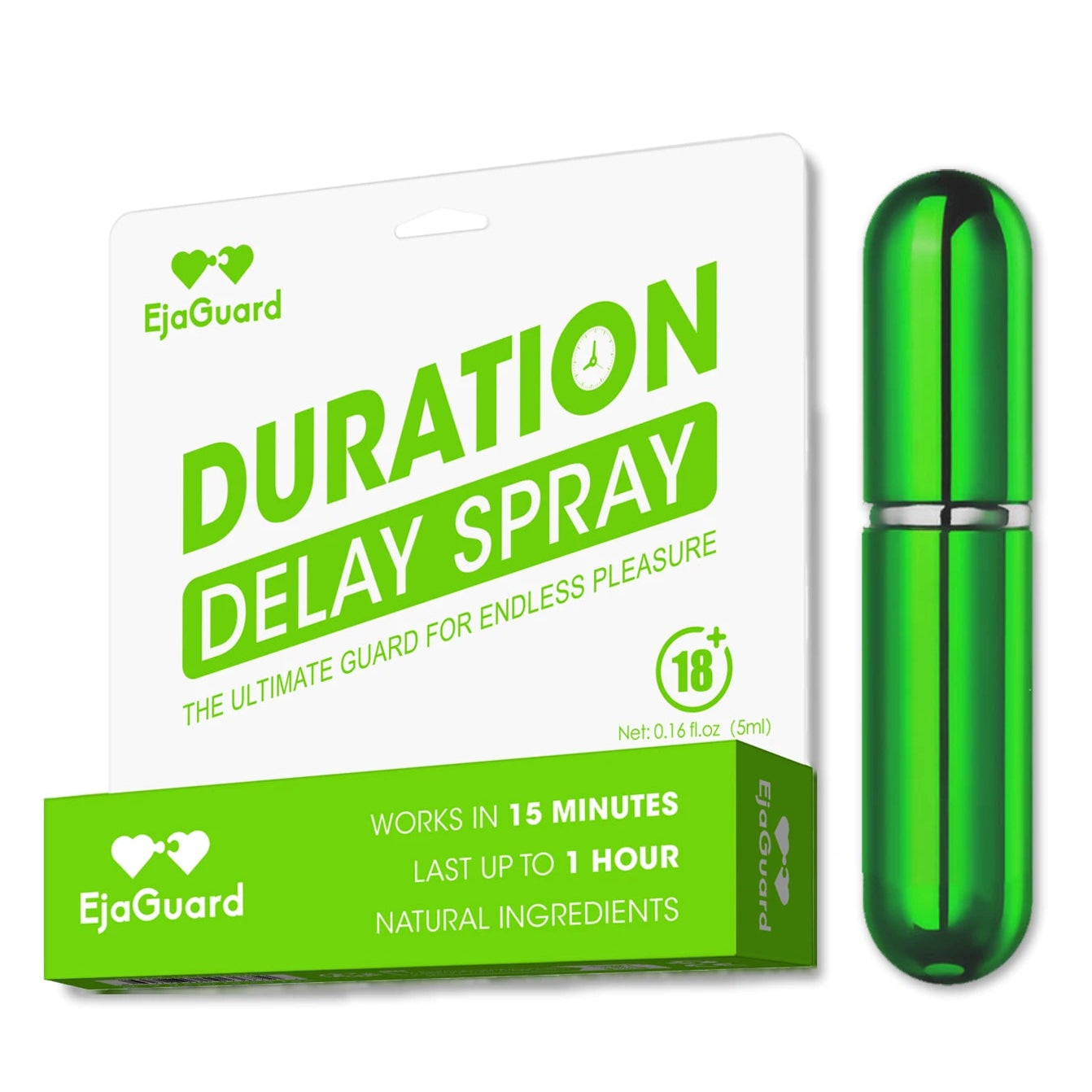
 Buy Now
Can Regular Exercise Help With Premature Ejaculation? Understanding the Role of Physical Activity in Ejaculation Control

Premature ejaculation (PE) is a common sexual concern that can affect confidence, relationship satisfaction, and overall quality of life. While medications and topical delay products are among the treatment options people often consider, some men prefer to start with lifestyle changes that can support their general health.
One question that comes up frequently is whether regular exercise can help men last longer during sex.
Exercise is already associated with several aspects of men's health, including cardiovascular function, metabolic health, stress management, and sleep quality. But does improving physical fitness actually make a difference in ejaculation control?
The answer is promising, although not completely straightforward. Some research suggests that physical activity may help improve ejaculation control in certain men. However, the evidence is still developing, and exercise should not be viewed as a guaranteed replacement for established PE treatments.
In this article, we will look at what research says about exercise and premature ejaculation, which types of physical activity may be helpful, how exercise could influence sexual response, and how men can build a realistic routine as part of a broader approach to sexual health.

Table of Contents
-
Understanding Premature Ejaculation
-
Can Exercise Really Help With Premature Ejaculation?
-
What Does Research Say About Physical Activity and Ejaculation Control?
-
How Exercise May Influence Sexual Function
-
The Connection Between Fitness and Stress Management
-
Can Better Cardiovascular Health Improve Sexual Performance?
-
Which Types of Exercise May Be Helpful?
-
How Often Should You Exercise?
-
Does Strength Training Help With Ejaculation Control?
-
What About Yoga, Breathing, and Relaxation Exercises?
-
Can Exercise Replace Medication or Delay Sprays?
-
How to Build a Realistic Exercise Routine
-
When Should You Seek Professional Help?
-
A Balanced Approach to Improving Ejaculation Control
Understanding Premature Ejaculation
Before discussing exercise, it helps to understand what premature ejaculation actually means.
PE is not simply about having sex for a shorter time than expected. It generally involves difficulty delaying ejaculation, a lack of perceived control, and personal or relationship-related distress.
Some men experience lifelong PE, meaning the problem has been present since their first sexual experiences. Others develop acquired PE after previously having a more comfortable level of ejaculation control.
There are also men who occasionally ejaculate sooner than they would like, especially during periods of excitement, stress, or changes in sexual activity. An occasional experience does not automatically mean someone has a clinical sexual dysfunction.
The distinction matters because different people may need different approaches. A man who experiences occasional difficulty controlling ejaculation may benefit from education, relaxation, and behavioral strategies. Someone with persistent PE may need a more structured treatment plan.
If you are unsure whether your experience meets the clinical definition, understanding how premature ejaculation is diagnosed can be a useful starting point.
It is also important to remember that ejaculation control is influenced by multiple factors. Nervous system activity, sexual arousal, psychological state, physical health, and relationship circumstances can all contribute. Exercise may support some of these areas, but it does not directly address every possible cause.

Can Exercise Really Help With Premature Ejaculation?
There is a growing interest in physical activity as a potential non-drug approach to improving ejaculation control.
The basic idea is relatively simple: regular exercise can improve overall physical health, support emotional well-being, and help people become more familiar with their body's responses. These changes may create conditions that make sexual activity easier to manage.
However, exercise does not work like a topical anesthetic or a medication specifically intended to delay ejaculation. It does not directly reduce penile sensitivity in the same way that a numbing product does, nor does it guarantee a longer ejaculation time.
Instead, its potential benefits may be indirect. For example, someone who becomes more physically active may experience better stress management, improved sleep, increased confidence, and better cardiovascular fitness. These changes could contribute to a more comfortable sexual experience.
A review published in Sexual Medicine Reviews examined the effects of physical exercise interventions on ejaculation control. The authors concluded that exercise could be a potential treatment approach and reported that the effects of exercise interventions were comparable to those of drug treatments in the studies reviewed.
That finding is encouraging, but it should be interpreted carefully. The available studies are limited, and different exercise programs may produce different outcomes. The results do not mean that every man with PE can achieve the same improvement simply by going to the gym.
You can read more about the broader relationship between ejaculation control and ejaculation time. Improving control and feeling more comfortable during sex may be just as important as increasing the number of minutes.
What Does Research Say About Physical Activity and Ejaculation Control?
One of the more relevant publications is a 2023 review titled Effects of Physical Exercise Interventions on Ejaculation Control.
The review examined research on different physical activity interventions, including approaches such as running, high-intensity interval training, and yoga. Its findings suggested that physical exercise may be a useful option for men experiencing premature ejaculation.
The authors also highlighted that exercise intensity and the effort participants put into their programs may influence the results.
This is an interesting finding because it suggests that exercise is not necessarily a single, uniform intervention. A gentle walk, a structured running program, and a more demanding fitness routine may affect the body in different ways.
However, there are several limitations worth mentioning.
First, the number of available studies is relatively small compared with the research supporting established PE treatments. Second, the exercise programs and outcome measurements are not always consistent. Third, some studies may have included relatively small groups of participants.
This makes it difficult to identify one specific exercise routine that works for everyone.
Another important point is that an improvement in ejaculation time does not necessarily mean that a person has completely overcome PE. Researchers and clinicians also consider perceived control, sexual satisfaction, and distress.
The 2023 review on physical exercise and ejaculation control provides a useful starting point for readers who want to examine the research more closely.
Overall, the evidence supports further investigation rather than a universal recommendation. Exercise may be a helpful part of a broader management plan, but more high-quality clinical trials are needed.

How Exercise May Influence Sexual Function
Why might physical activity have any effect on ejaculation control in the first place?
There is no single explanation, but several possible mechanisms have been discussed in relation to exercise and sexual health.
1. Supporting nervous system regulation
Ejaculation is controlled by a coordinated interaction between the brain, spinal cord, and peripheral nerves. Sexual arousal involves changes in nervous system activity, and ejaculation occurs when the body reaches a particular physiological threshold.
Regular exercise may support general nervous system health and help some people become more comfortable managing physical arousal.
For example, exercise can teach people to recognize changes in breathing, heart rate, muscle tension, and fatigue. Becoming more aware of these physical signals may help some men notice when their arousal is increasing.
This does not mean that exercise directly trains the ejaculatory reflex. Rather, it may improve general body awareness and self-regulation.
2. Improving emotional well-being
Physical activity is associated with better mood and reduced symptoms of stress and anxiety in many populations.
For men who experience performance-related pressure, feeling more relaxed and confident may make sexual activity less stressful.
This is particularly relevant because worrying about ejaculating too quickly can sometimes create a cycle of tension. A person becomes concerned about losing control, focuses heavily on performance, and finds it increasingly difficult to relax.
Exercise may help reduce some of the background stress contributing to this experience.
For more context about how different factors interact, see our article on why delay spray results can feel inconsistent.
3. Supporting general physical health
Exercise can improve several health markers, including cardiovascular fitness, insulin sensitivity, and body composition.
These changes may not directly delay ejaculation, but they can contribute to better overall sexual health.
It is important not to confuse general improvements in sexual well-being with a specific treatment effect on PE. Better fitness does not automatically translate into a longer ejaculation time.

The Connection Between Fitness and Stress Management
Stress is a common part of modern life. Work pressure, financial concerns, relationship difficulties, and poor sleep can all influence how someone feels during sexual activity.
For some men, sexual performance anxiety becomes an additional source of stress. They may begin to anticipate the possibility of ejaculating too quickly before intimacy even starts.
Regular exercise can provide a practical way to manage some of this pressure.
Activities such as walking, cycling, swimming, and jogging can help people take a break from work-related demands. Exercise may also improve mood and provide a sense of progress through achievable goals.
For example, someone who begins walking for 20 minutes after work may gradually notice improvements in energy and sleep. Over time, these changes may make daily stress feel more manageable.
That said, exercise is not a substitute for professional mental health support when anxiety is persistent or significantly affects daily life.
It is also worth distinguishing general stress from anxiety specifically related to sexual performance. They may overlap, but they are not always the same issue.
A person who feels physically healthy but continues to experience intense anxiety during intimacy may benefit from counseling or sex therapy alongside lifestyle changes.
Can Better Cardiovascular Health Improve Sexual Performance?
Cardiovascular health is closely connected to male sexual function.
An erection depends on adequate blood flow, healthy blood vessels, and coordinated nerve signaling. Conditions that affect circulation, such as diabetes, hypertension, and cardiovascular disease, can contribute to erectile difficulties.
Regular aerobic exercise helps improve cardiovascular fitness. It can strengthen the heart, support circulation, and reduce certain risk factors associated with metabolic and vascular disease.
But does better circulation directly improve ejaculation control?
The relationship is less clear.
Erectile dysfunction and premature ejaculation are different conditions, even though they can occur together. Some men with erection difficulties may rush sexual activity because they worry about losing their erection. In these cases, addressing the erection problem may also improve their overall sexual experience.
For other men, PE occurs without any erection difficulties. Improving cardiovascular fitness may still benefit general health, but it may not resolve the underlying ejaculation-control problem.
This distinction is important. Exercise should be viewed as a way to support cardiovascular and sexual health, not as a guaranteed treatment for every form of PE.
The American Urological Association's guidance on ejaculation disorders recognizes associations between PE and factors such as sedentary lifestyle, metabolic syndrome, and body mass index. It also encourages clinicians to discuss exercise and other healthy lifestyle choices with patients.
You can review the AUA/SMSNA guideline on disorders of ejaculation for a more detailed discussion.
Which Types of Exercise May Be Helpful?
There is no universally accepted exercise program specifically designed for premature ejaculation. However, several forms of physical activity may support general health and could be worth incorporating into a routine.
1. Running and jogging
Running is one of the aerobic activities discussed in research on physical exercise and ejaculation control.
It can improve cardiovascular endurance and provide a structured way to increase physical activity.
Beginners do not need to start with long-distance running. Alternating between walking and light jogging can be a more comfortable starting point.
The goal is to build consistency rather than push the body to exhaustion.
2. Brisk walking
Walking is often overlooked because it seems less demanding than other forms of exercise.
However, brisk walking can improve cardiovascular fitness, help manage body weight, and provide a convenient way to become more active.
It is also accessible to people who have not exercised regularly for a long time.
A 20- to 30-minute walk on most days can be a reasonable starting point, depending on individual fitness and health.
3. Cycling
Cycling can improve aerobic endurance and strengthen the muscles of the lower body.
Some people prefer stationary cycling because it allows them to control the intensity and duration of each session.
However, prolonged pressure from an uncomfortable bicycle seat may cause genital or perineal discomfort in some men. Choosing an appropriate seat, adjusting the bike, and taking breaks can help reduce this issue.
Cycling should not be treated as a specific PE treatment, but it can be part of a balanced fitness routine.
4. Swimming
Swimming provides aerobic exercise while placing relatively little impact on the joints.
It can be particularly useful for people who find running uncomfortable or who prefer a lower-impact activity.
Swimming also requires controlled breathing and coordinated movement, although there is no strong evidence that these features directly improve ejaculation control.
5. High-intensity interval training
High-intensity interval training, or HIIT, involves alternating short periods of more demanding activity with recovery periods.
Some research on physical activity and ejaculation control has examined higher-intensity exercise approaches.
However, HIIT is not appropriate for everyone. People who are new to exercise, have certain medical conditions, or have concerns about cardiovascular health should speak with a healthcare professional before starting an intense program.
For most beginners, moderate and sustainable exercise is a better place to start.

How Often Should You Exercise?
A common mistake when starting a new fitness routine is trying to do too much too quickly.
Someone who has been inactive for years may suddenly begin exercising every day, only to experience soreness, fatigue, or a loss of motivation after a short period.
A gradual approach is usually more sustainable.
For general health, the World Health Organization recommends that adults aim for at least 150 to 300 minutes of moderate-intensity aerobic physical activity per week, or an equivalent amount of vigorous activity. Adults should also include muscle-strengthening activities on two or more days each week.
These recommendations are designed to support overall health, not specifically to treat premature ejaculation.
A beginner might start with:
-
20 minutes of brisk walking three times per week.
-
One or two light strength-training sessions.
-
Gradually increasing the duration or intensity as fitness improves.
-
Taking recovery days when needed.
After building a consistent routine, a person may choose to increase activity according to their fitness level and personal goals.
The most important factor is consistency. A manageable routine followed for several months is generally more useful than an extremely demanding routine abandoned after two weeks.
The WHO guidelines on physical activity and sedentary behaviour provide a useful reference for setting realistic activity goals.

Does Strength Training Help With Ejaculation Control?
Strength training is another common question.
Unlike aerobic exercise, which mainly focuses on cardiovascular endurance, resistance training helps develop muscle strength and physical capacity.
Common examples include:
-
Squats
-
Push-ups
-
Lunges
-
Rows
-
Dumbbell exercises
-
Resistance-band training
Strength training can support body composition, metabolic health, and confidence. It may also help people feel more physically capable during daily activities.
However, there is currently limited evidence showing that ordinary weightlifting directly improves ejaculation control.
It is also important not to assume that stronger abdominal, thigh, or pelvic muscles automatically lead to better control over ejaculation.
The pelvic floor is particularly relevant here. These muscles participate in sexual function, but simply making them stronger is not always the goal. Some men have excessive pelvic floor tension or difficulty relaxing these muscles.
If someone experiences pelvic discomfort, involuntary muscle tightening, or difficulty relaxing during sexual activity, repeatedly performing intense strengthening exercises may not be the best approach.
A healthcare professional or pelvic floor physical therapist can help determine whether strengthening, relaxation, coordination training, or another intervention is more appropriate.
What About Yoga, Breathing, and Relaxation Exercises?
Yoga and relaxation-based activities deserve attention because physical exercise is not only about building muscle or improving endurance.
Some yoga practices combine movement, stretching, breathing, and awareness of physical sensations.
These elements may be useful for men who experience tension or difficulty relaxing during intimacy.
For example, gentle stretching and controlled breathing may help someone become more aware of how they hold tension in the abdomen, hips, and pelvic area.
Breathing exercises can also provide a simple way to slow down during moments of increasing arousal.
A basic exercise involves inhaling comfortably through the nose, allowing the abdomen to expand naturally, and then exhaling slowly without forcing the breath. The aim is not to suppress sexual excitement completely but to remain aware of the body's changing state.
Mindfulness practices may also help some men become less focused on performance pressure.
However, it is important to avoid overstating the evidence. Yoga and breathing exercises are not proven cures for PE, and their effects may differ from person to person.
The European Association of Urology discusses behavioral and psychosexual approaches as possible parts of PE management, including techniques intended to improve confidence, reduce anxiety, and support better communication.
More information is available in the EAU guidelines on sexual and reproductive health.
Can Exercise Replace Medication or Delay Sprays?
This is an important question for anyone considering exercise as part of a PE management plan.
The short answer is that exercise and PE-specific treatments serve different purposes.
Regular physical activity supports general health and may help some men improve ejaculation control over time. However, it is not a direct substitute for treatments that have been studied specifically for PE.
Depending on the individual's situation, established treatment options may include:
-
Behavioral techniques, such as the start-stop method.
-
Psychosexual counseling or therapy.
-
Prescription medications, including certain SSRIs or dapoxetine where available.
-
Topical anesthetic sprays or creams.
These approaches work in different ways.
For example, topical anesthetics are designed to reduce penile sensitivity temporarily. They may help men who experience excessive sensitivity or have difficulty managing stimulation.
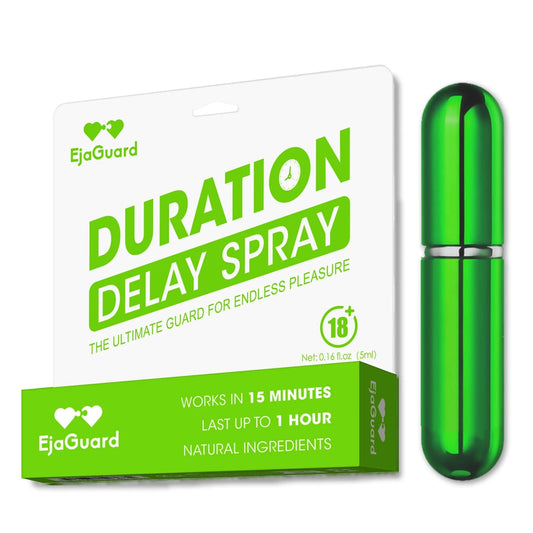
Some men prefer milder options because they do not want to lose too much sensation. In this context, products such as EjaGuard may be considered by adults looking for a more gradual, sensation-conscious approach to delay spray use.

However, individual products differ in ingredients, instructions, and effects. Users should always follow the product label, avoid applying more than directed, and check whether the product is suitable for them and their partner.
A delay spray also does not improve cardiovascular fitness, reduce general stress, or address an underlying medical condition.
For this reason, exercise and other PE management approaches do not necessarily need to compete with each other. Depending on the person's needs, they may be used as complementary parts of a broader plan.
If you are comparing different products, our EjaGuard delay spray page provides product information, while the delay spray usage guide explains application considerations.

How to Build a Realistic Exercise Routine
If you want to explore whether physical activity makes a difference, it helps to approach the process systematically.
Instead of changing everything at once, start with a routine you can maintain.
Step 1: Assess your current activity level
Think about how much movement you currently get during a normal week.
If you spend most of the day sitting at a desk, even a short daily walk can represent a meaningful improvement.
You do not need to begin with a gym membership or an advanced training program.
Step 2: Choose activities you actually enjoy
The best exercise routine is one you are willing to repeat.
Some people enjoy running, while others prefer swimming, cycling, walking, or group fitness classes.
If you dislike a particular activity, there is no need to force yourself to continue with it.
Step 3: Increase activity gradually
Start with manageable sessions and increase duration or intensity over time.
For example, you might begin with three 20-minute walks each week. After a few weeks, you could extend them to 30 minutes or add a light strength-training session.
Pay attention to recovery and avoid pushing through unusual pain or excessive fatigue.
Step 4: Track more than ejaculation time
If your goal is to improve PE symptoms, it may be tempting to measure success only by how long intercourse lasts.
However, this can create additional performance pressure.
Instead, consider tracking several aspects of your experience:
-
Do you feel more control over your arousal?
-
Are you less anxious before intimacy?
-
Has your general energy improved?
-
Are you sleeping better?
-
Do you feel more comfortable during sexual activity?
-
Are you experiencing less distress about ejaculation?
These factors can provide a more complete picture of progress.
Step 5: Give the routine enough time
Exercise-related changes usually develop gradually.
A few workouts are unlikely to produce a major difference in sexual function. It may take several weeks or months to notice changes in fitness, mood, or daily energy.
Even if exercise does not significantly change ejaculation time, it can still offer meaningful health benefits.
The purpose is to build a healthier routine, not to turn every workout into a test of sexual performance.
When Should You Seek Professional Help?
Lifestyle changes are useful, but they should not delay medical evaluation when symptoms are persistent or concerning.
Consider speaking with a healthcare professional if:
-
You regularly experience difficulty delaying ejaculation and it causes distress.
-
You previously had normal ejaculation control but have noticed a persistent change.
-
PE occurs alongside erection difficulties.
-
You experience pelvic pain, urinary symptoms, or other unusual physical symptoms.
-
Sexual performance anxiety is affecting your relationship or general well-being.
-
Exercise and other self-management strategies have not helped.
Acquired PE can sometimes be associated with other health or sexual conditions. A clinician may review your medical history, medications, sexual history, and relevant symptoms to determine whether further evaluation is needed.
There is no reason to feel embarrassed about discussing the issue. PE is a recognized sexual health concern, and healthcare professionals are familiar with evaluating and managing it.
Depending on the situation, treatment may involve medication, behavioral techniques, counseling, or addressing an underlying condition.

A Balanced Approach to Improving Ejaculation Control
So, can regular exercise help with premature ejaculation?
Current research suggests that it may. Physical activity has shown potential as a non-drug approach to improving ejaculation control, and some studies have reported encouraging results.
However, the evidence is still developing. Exercise does not work the same way for everyone, and it should not be presented as a guaranteed cure.
Its value may come from several areas working together: improved cardiovascular fitness, better stress management, increased body awareness, improved sleep, and greater confidence.
For men who are currently inactive, building a consistent exercise routine is a reasonable step toward better overall health. Walking, jogging, swimming, cycling, strength training, and relaxation-based activities can all have a place in a balanced lifestyle.
At the same time, persistent PE may require more targeted support. Behavioral techniques, professional guidance, medication, and topical products may be appropriate depending on individual needs.
Ultimately, improving ejaculation control is not only about increasing the time before ejaculation. It is also about feeling more comfortable, having greater confidence, and developing a healthier relationship with sexual activity.
Exercise can be one useful part of that process, but the most effective approach is usually one that considers the whole person rather than relying on a single solution.

