

 Buy Now

Does Wearing Hats Cause Hair Loss?

Introduction
Worried your favorite baseball cap might be making you bald?
You're not alone.
A common belief is that wearing hats can lead to hair loss. But is there any truth behind this?
In this guide, we’ll break down the science, bust the myths, and give you real answers to the question:
Does wearing hats cause hair loss?
Let’s separate fact from fiction.
Do Hats Cause Hair Loss?

Short answer: No, wearing hats does not cause hair loss — at least not by itself.
The myth that hats cause baldness has been around for years.
But there's no strong scientific evidence proving that throwing on a cap leads to thinning hair.
Hair loss mostly comes from genetics, hormones, and age — not your headwear.
So why do people believe the hat hair loss myth?
-
People notice hat hair and assume it’s falling out.
-
They see hair inside the hat and panic.
-
They associate constant hat-wearing with bald people (but correlation isn’t causation).
When Hats Might Contribute to Hair Loss
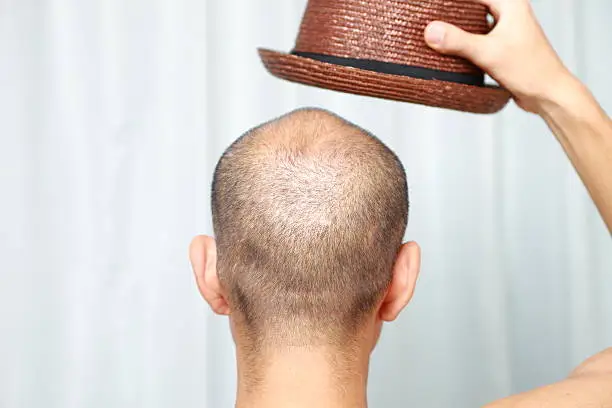
While hats don’t directly cause baldness, they can contribute to some hair stress — if worn the wrong way.
1. Tight Hats and Traction Alopecia
Wearing very tight hats for long periods might create repeated friction or pull on hair.
This can lead to a type of hair loss called traction alopecia — where tension damages the hair follicle.
Common signs of traction alopecia:
-
Receding hairline
-
Scalp tenderness
-
Thinning where the hat rubs or grips
If your hat leaves marks or feels snug, it’s probably too tight.
To soothe your scalp and reduce irritation from tight hats, consider using a gentle topical formula like our EjaGuard Orgasm Gels, which promote healthy blood flow and can refresh tired skin.
2. Constant Friction
If you’re always adjusting, tugging, or twisting a hat, it can rub against your scalp and weaken strands over time.
This doesn’t cause male pattern baldness, but it may make existing hair more fragile.
If you’re dealing with scalp sensitivity from regular friction, a light application of our EjaGuard Enlargement & Repair Cream can help maintain skin barrier health while supporting follicle resilience.
Common (Real) Causes of Hair Loss
So if hats aren’t the main issue — what is?
Top medical and lifestyle causes of hair loss:
-
Genetics (Androgenetic Alopecia): Most common in men and women.
-
Hormonal changes: Like thyroid issues or pregnancy.
-
Stress or illness: Triggers temporary hair shedding (telogen effluvium).
-
Poor diet: Deficiency in protein, iron, or vitamins.
-
Harsh hair care: Excessive heat, chemicals, or tight hairstyles.
-
Medications: Some treatments (like chemo) cause hair to fall out.
None of these causes are directly linked to wearing a hat.
For those exploring wellness strategies, our EjaGuard blog offers practical tips on managing lifestyle factors that can impact hair health — including stress, diet, and hormonal changes.
How to Wear Hats Safely

Good news: You can still rock your favorite cap, fedora, or beanie without risking your hairline.
Follow these hat-wearing tips:
-
Choose the right size: Avoid hats that feel tight or press down on your scalp.
-
Give your scalp a break: Let your hair breathe if you’ve worn a hat all day.
-
Keep hats clean: Dirty hats collect sweat and bacteria, which may irritate your scalp.
-
Avoid pulling hair under the hat: Don’t tuck tightly — it strains the roots.
Wearing hats safely helps you avoid the rare cases where they could stress your strands.
If you're wearing hats during intimate moments or role play, choosing soft, scalp-friendly materials along with breathable accessories like our EjaGuard Lingerie can add comfort without compromising hair care.
The Role of Sweat and Hygiene

Another concern: Does sweat cause hair loss under hats?
Sweating in itself doesn’t cause hair loss. But if you wear a sweaty hat for hours, it can create a warm, damp environment.
This can lead to:
-
Bacterial buildup
-
Scalp irritation
-
Blocked hair follicles
Tips:
-
Wash your hats regularly.
-
Let your scalp dry after exercise.
-
Use breathable materials like cotton when possible.
Proper hygiene keeps your scalp healthy and reduces any risk of irritation-related hair issues.
To keep your hygiene in check, try incorporating our EjaGuard Delay Spray— it’s alcohol-free and gentle on the skin, helping reduce irritation in hot or sweaty environments.
Final Verdict: Should You Worry About Your Hat?
If you're asking, 'Can hats cause baldness?' — the answer is mostly no.
Unless you're wearing a super-tight hat every single day and ignoring scalp health, your hair is likely safe.
Your genetics, not your headwear, are doing most of the heavy lifting when it comes to hair loss.
So go ahead — wear that cap with confidence.
FAQs About Hats and Hair Loss
Does wearing a hat make you go bald?
No. It does not cause male pattern baldness or permanent hair loss. Genetics is the real culprit.
Can hats cause bald spots?
Only in rare cases of traction alopecia — usually from tight hats or excessive friction.
Do tight hats cause hair loss?
Tight hats can put pressure on your scalp, leading to minor damage if worn too often.
Is sweat under a hat bad for hair?
Sweat isn’t harmful alone. But trapped moisture + bacteria can irritate the scalp. Wash hats often.
How to prevent hair loss from hats?
-
Wear looser hats
-
Keep hats clean
-
Let your scalp breathe
-
Avoid hair strain or tugging under the hat
Is hat hair a sign of damage?
Nope — just flattened hair from compression. It bounces back after a wash or quick comb.
Conclusion
So, does wearing hats cause hair loss?
The truth: Not really.
Unless you're wearing a super-tight hat every day and ignoring scalp care, your hairline has nothing to worry about.
Focus instead on real causes like genetics, hormonal changes, and lifestyle factors.
And if you're concerned about thinning hair?
Talk to a dermatologist. Early prevention always helps.
