

 Buy Now

Anfängerleitfaden zu Verzögerungssprays

Alles, was ich vor dem Kauf meiner ersten Flasche gerne gewusst hätte
Wenn Sie sich in letzter Zeit mit Verzögerungssprays beschäftigt haben, ist Ihnen wahrscheinlich schon aufgefallen, wie verwirrend das ganze Thema ist.
Suchen Sie online nach „bestes Verzögerungsspray“, und Sie werden Hunderte von Produkten, Tausende von Bewertungen und eine unendliche Anzahl von Meinungen finden, die sich scheinbar völlig widersprechen.
Eine Person sagt, ein bestimmtes Spray habe ihr Leben verändert.
Eine andere sagt, es habe absolut nichts bewirkt.
Jemand anderes behauptet, es habe ihn völlig taub gemacht.
Dann besteht eine andere Person darauf, dass sie überhaupt keinen Unterschied spürte.
Als ich anfing, mich damit zu beschäftigen, wusste ich ehrlich gesagt nicht, wem ich glauben sollte.
Ich verbrachte Wochen damit, Reddit-Posts, Produktbewertungen, medizinische Artikel und Forendiskussionen zu lesen. Je mehr ich las, desto verwirrter wurde ich.
Schließlich wurde mir etwas Wichtiges klar.
Die meisten Leute sind sich eigentlich nicht uneinig.
Sie sprechen lediglich über verschiedene Körper.
Das ist wahrscheinlich die größte Lehre, die ich in den letzten Jahren beim Ausprobieren verschiedener Produkte gezogen habe.
Verzögerungssprays sind nicht wie der Kauf eines Telefons oder eines Paares Schuhe, wo es eine offensichtlich „beste“ Option gibt.
Sie sind viel persönlicher.
Das Spray, das sich für eine Person perfekt anfühlt, kann für jemand anderen völlig unbrauchbar sein.
Deshalb wollte ich diesen Leitfaden schreiben.
Nicht, um Ihnen zu sagen, welches Produkt Sie kaufen sollen.
Sondern um zu erklären, wie diese Produkte tatsächlich wirken, was Anfänger oft missverstehen und wie man dieselben Fehler vermeiden kann, die ich gemacht habe.
Zuerst das Wichtigste: Was bewirkt ein Verzögerungsspray eigentlich?
Viele Menschen stellen sich Verzögerungssprays als etwas vor, das auf magische Weise dafür sorgt, dass man länger durchhält.
So funktionieren sie aber nicht wirklich.
Die meisten Verzögerungssprays erhöhen nicht direkt die Ausdauer.
Sie erhöhen nicht den Testosteronspiegel.
Sie verbessern nicht die Erektionsqualität.
Sie trainieren Ihren Körper nicht.
Stattdessen reduzieren sie die Empfindlichkeit in unterschiedlichem Maße.
Stellen Sie es sich so vor, als würden Sie die Lautstärke herunterdrehen, anstatt die Musik zu wechseln.
Wenn die Stimulation etwas weniger intensiv ist, wird es im Allgemeinen einfacher, unter dem Punkt zu bleiben, an dem die Ejakulation schwer zu kontrollieren wird.
Wie stark die Empfindlichkeit reduziert wird, hängt von mehreren Faktoren ab:
- Die Inhaltsstoffe
- Die Konzentration
- Die Dosierung
- Die Wartezeit
- Ihr eigener Körper
Dieser letzte Punkt ist unglaublich wichtig.
Ihr Körper ist wichtiger als das Produkt.
Manche Menschen haben von Natur aus eine sehr hohe Empfindlichkeit.
Andere haben hauptsächlich wegen Angstzuständen Probleme.
Manche Menschen erleben vorzeitige Ejakulation nur gelegentlich.
Andere haben fast jedes Mal damit zu tun.
Diese Unterschiede beeinflussen, wie gut ein Verzögerungsspray wirkt.

Warum Bewertungen so inkonsistent sind
Eine Sache, die mich bei meinen ersten Recherchen verwirrte, war, wie dramatisch unterschiedlich die Erfahrungen der Menschen mit genau demselben Produkt sein konnten.
Irgendwann ergab es Sinn.
Stellen Sie sich zwei Personen vor.
Die erste Person ejakuliert normalerweise innerhalb von 20 Sekunden.
Die zweite Person hält normalerweise etwa vier Minuten durch.
Sie verwenden dasselbe Spray.
Erwarten Sie wirklich, dass sie die gleiche Menge benötigen?
Wahrscheinlich nicht.
Das Gleiche gilt für die Empfindlichkeit.
Manche Menschen vertragen ein sehr starkes Lidocain-Spray, ohne viel Empfindung zu verlieren.
Andere werden nach einem einzigen Sprühstoß merklich taub.
Keine Person liegt falsch.
Ihre Körper reagieren einfach unterschiedlich.
Deshalb empfehle ich normalerweise, Bewertungen zu lesen, um zu verstehen, wie Produkte wirken, anstatt zu erwarten, dass die Routine eines anderen zu Ihrer eigenen wird.
Bewertungen sollten Ihnen eine Richtung weisen.
Keine exakten Anweisungen.
Die zwei Hauptkategorien
Obwohl heute Dutzende verschiedener Marken erhältlich sind, gehört fast jedes Verzögerungsspray zu einer von zwei größeren Gruppen.
Das Verständnis dieser Kategorien ist viel nützlicher als das Auswendiglernen von Markennamen.
1. Anästhetische Verzögerungssprays
Das ist die Kategorie, die die meisten Menschen kennen.
Diese Produkte enthalten normalerweise Inhaltsstoffe wie Lidocain oder Benzocain.
Ihre Aufgabe ist ziemlich einfach.
Sie reduzieren vorübergehend die Nervenempfindlichkeit in dem Bereich, in dem sie angewendet werden.
Aufgrund dieses Mechanismus beginnen sie in der Regel relativ schnell zu wirken.
Für die meisten Produkte liegt die empfohlene Wartezeit zwischen 10 und 15 Minuten, obwohl individuelle Anweisungen je nach Konzentration variieren.
Der größte Vorteil ist offensichtlich.
Sie sind stark.
Bei sehr starker Empfindlichkeit bieten Anästhesiesprays oft die deutlichste Verbesserung.
Das ist ein Grund, warum Produkte wie Promescent oder Stud 100 seit Jahren beliebt sind.
Stärke hat jedoch ihren Preis.
Je stärker die Reduzierung der Empfindlichkeit, desto leichter kann man versehentlich zu viel reduzieren.
Dort geraten viele Anfänger in Schwierigkeiten.
2. Pflanzliche Verzögerungssprays
Die zweite Kategorie ist in den letzten Jahren viel beliebter geworden.
Anstelle traditioneller Anästhetika setzen diese Produkte auf pflanzliche Inhaltsstoffe.
Verschiedene Hersteller verwenden unterschiedliche Kräutermischungen, daher variieren die Rezepturen erheblich.
Generell neigen Kräutersprays dazu, eine allmählichere Wirkung zu erzielen.
Die meisten erfordern längere Wartezeiten – oft um die 20 bis 30 Minuten – da sie auf Absorption statt auf schnelle anästhetische Wirkung setzen.
Die Leute beschreiben das Erlebnis oft auch anders.
Anstatt zu sagen,
„Ich konnte nicht viel fühlen“,
sagen sie eher,
„Ich fühlte immer noch alles, aber ich wurde nicht so schnell überwältigt.“
Dieser Unterschied mag subtil klingen.
In der Praxis fühlt es sich sehr unterschiedlich an.
Anstatt die Empfindung zu entfernen, erleichtern viele pflanzliche Produkte einfach die Bewältigung der Stimulation.
Das bedeutet natürlich auch, dass sie in der Regel nicht so dramatisch sind wie stärkere Lidocain-Sprays.
Ob das positiv oder negativ ist, hängt ganz davon ab, was Sie erreichen wollen.

Es gibt kein "bestes" Verzögerungsspray
Ein Fehler, den ich am Anfang gemacht habe, war die Annahme, dass das Internet mir einfach sagen könnte, welches Spray das Beste ist.
Ich wollte Rankings.
Top-Fünf-Listen.
Gewinner gegen Verlierer.
Die Realität erwies sich als viel weniger aufregend.
Verschiedene Produkte lösen verschiedene Probleme.
Jemand mit extrem starker vorzeitiger Ejakulation bevorzugt möglicherweise wirklich ein stärkeres Lidocain-Spray, weil maximale Kontrolle seine Priorität ist.
Jemand anderes hasst vielleicht das Gefühl der Taubheit und akzeptiert gerne eine mildere Wirkung, wenn Sex sich immer noch völlig natürlich anfühlt.
Keine Wahl ist objektiv besser.
Sie lösen unterschiedliche Probleme.
Deshalb sehen Sie oft, dass erfahrene Benutzer Produkte basierend auf Zielen empfehlen, anstatt einen universellen Gewinner zu küren.
Beginnen Sie mit Ihrem Ziel – nicht mit dem Produkt
Anstatt zu fragen,
„Was ist das beste Verzögerungsspray?“
Versuchen Sie, sich eine andere Frage zu stellen.
„Was genau möchte ich verbessern?“
Wünschen Sie sich hauptsächlich eine maximale Dauer?
Möchten Sie die Empfindung bewahren?
Sind Sie besorgt über die Übertragung auf Ihren Partner?
Benötigen Sie etwas Diskretes für Reisen?
Möchten Sie etwas, das sich leicht anpassen lässt?
Die Beantwortung dieser Fragen erleichtert die Produktauswahl in der Regel erheblich.
Denn sobald Sie Ihre Prioritäten kennen, werden Sie Produkte, die nicht dazu passen, natürlich ausschließen.
Und das ist viel nützlicher, als dem nachzujagen, was diesen Monat gerade online im Trend liegt.

Den wahren Unterschied zwischen Lidocain- und pflanzlichen Verzögerungssprays verstehen
Wenn Sie genügend Zeit auf Reddit verbringen, werden Sie irgendwann feststellen, dass immer wieder dieselbe Debatte auftaucht.
„Soll ich ein Lidocain-Spray oder ein pflanzliches Spray kaufen?“
Leider gibt es keine einfache Antwort.
Sie wurden nach unterschiedlichen Philosophien entwickelt.
Eine konzentriert sich darauf, so schnell wie möglich eine stärkere Empfindlichkeitsreduktion zu erzielen.
Die andere konzentriert sich darauf, die Empfindlichkeit zu bewahren und gleichzeitig die Stimulation leichter handhabbar zu machen.
Keiner der Ansätze ist automatisch besser.
Es hängt wirklich davon ab, welche Art von Erfahrung Sie suchen.
Eine Sache, an die ich jeden Anfänger erinnern möchte, ist, dass länger durchzuhalten nicht das einzige Ziel ist. Wenn Sie am Ende dreißig Minuten durchhalten, aber das Erlebnis nicht mehr genießen können, würden die meisten Leute das nicht als Erfolg betrachten.
Das beste Verzögerungsspray ist normalerweise dasjenige, mit dem Sie die Kontrolle behalten, ohne ständig daran erinnert zu werden, dass Sie ein Verzögerungsspray verwenden.
Wie sich Lidocain-Sprays im wirklichen Leben anfühlen
Die meisten Menschen kennen Lidocain bereits, weil es seit Jahren medizinisch als Lokalanästhetikum eingesetzt wird.
Verzögerungssprays nutzen einfach dieselbe Eigenschaft, um die Empfindlichkeit vorübergehend zu reduzieren.
Das Erste, was Sie wahrscheinlich bemerken werden, ist, wie schnell es zu wirken beginnt.
Die meisten Lidocain-Produkte empfehlen eine Wartezeit von 10–15 Minuten, obwohl einige Hersteller je nach Konzentration eine etwas längere Wartezeit vorschlagen.
Sobald es wirkt, ist die Reduzierung der Empfindlichkeit normalerweise ziemlich offensichtlich.
Für manche Menschen ist das genau das, was sie wollen.
Wenn Ihre Ausgangsempfindlichkeit extrem hoch ist, kann eine deutliche Reduzierung Ihnen plötzlich genügend Spielraum geben, um langsamer zu werden, die Position zu wechseln oder sich einfach nicht mehr sofort Sorgen um den Punkt ohne Wiederkehr zu machen.
Deshalb sind stärkere Lidocain-Sprays seit so vielen Jahren beliebt geblieben.
Sie wirken.
Der Nachteil ist, dass sie oft weniger fehlerverzeihend sind.
Es gibt nicht immer viel Raum zwischen:
„Das bringt nicht genug.“
und
„Okay … jetzt spüre ich nicht mehr viel.“
Manche Menschen finden diesen perfekten Mittelweg fast sofort.
Andere verbringen mehrere Sitzungen damit, ihn zu finden.
Deshalb werden Sie auch völlig gegensätzliche Bewertungen für dasselbe Produkt finden.
Eine Person könnte es als lebensverändernd beschreiben.
Eine andere sagt, es habe das Erlebnis ruiniert.
Beide können die Wahrheit sagen.
Stark bedeutet nicht immer besser
Als ich anfing, mich mit Verzögerungssprays zu beschäftigen, nahm ich an, dass stärker automatisch effektiver bedeutet.
Das stellte sich als eines der größten Missverständnisse heraus, die ich hatte.
Denken Sie einen Moment an Schmerzmittel.
Wenn zwei Tabletten Ihre Kopfschmerzen lindern, fühlen Sie sich nicht unbedingt achtmal besser, wenn Sie acht Tabletten nehmen.
Verzögerungssprays wirken ähnlich.
Jenseits eines bestimmten Punktes beginnt eine stärkere Reduzierung der Empfindlichkeit oft, das wegzunehmen, was Sie eigentlich bewahren möchten.
Manche Menschen bemerken:
- Weniger körperliche Lust
- Schwierigkeiten bei der Beurteilung der Stimulation
- Sich während des Sex getrennt fühlen
- Probleme, eine Erektion aufrechtzuerhalten
- Geringere Spontaneität
Ironischerweise konzentrieren sich manche Menschen so sehr darauf, einen vorzeitigen Samenerguss zu vermeiden, dass sie ein ganz anderes Problem schaffen.
Deshalb sprechen erfahrene Anwender oft weniger über maximale Stärke und mehr darüber, die richtige Balance zu finden.
Warum sich Kräutersprays anders anfühlen
Kräutersprays erzeugen in der Regel ein ganz anderes Erlebnis.
Das erste, was Ihnen auffallen wird, ist, dass sie Sie im Allgemeinen bitten, länger zu warten.
Statt zehn Minuten empfehlen viele etwa 20–30 Minuten vor dem Sex.
Zuerst klingt das unpraktisch.
Ich dachte tatsächlich dasselbe.
Aber nachdem ich beide Typen ausprobiert hatte, merkte ich, dass die längere Wartezeit meist einen anderen Wirkungsstil widerspiegelt und nicht ein schwächeres Produkt.
Anstatt sich anzufühlen, als hätte jemand die Lautstärke dramatisch heruntergedreht, fühlen sich Kräutersprays oft so an, als wäre die Lautstärke gerade so weit reduziert worden, dass alles einfacher zu handhaben ist.
Deshalb beschreiben so viele Menschen sie als natürlich.
Nicht, weil sie magisch jede Empfindung bewahren.
Sondern weil der Übergang sich allmählicher anfühlt.
Sie wissen immer noch, was passiert.
Sie genießen sich immer noch.
Sie fühlen sich einfach nicht so schnell überfordert.
Der größte Unterschied ist nicht physisch
Eine Sache, die ich nicht erwartet hatte, war, dass der größte Unterschied tatsächlich nicht physisch war.
Es war psychologisch.
Als ich stärkere anästhetische Sprays verwendete, war mir immer bewusst, dass ich etwas benutzt hatte.
Manchmal, weil ich mich taub fühlte.
Manchmal, weil ich mich fragte, ob ich zu viel benutzt hatte.
Manchmal, weil ich immer wieder überprüfte, ob ich noch alles normal fühlen konnte.
Diese ständige Selbstbeobachtung wurde Teil des Erlebnisses.
Bei milderen Produkten bemerkte ich, dass ich viel weniger über das Spray nachdachte, sobald ich eine funktionierende Routine gefunden hatte.
Anstatt mich zu fragen,
„Funktioniert es?“
begann ich wieder, auf meinen Partner zu achten.
Im Nachhinein war diese Aufmerksamkeitsverschiebung wahrscheinlich fast genauso wichtig wie der körperliche Effekt selbst.
Selbstvertrauen kommt nicht nur davon, länger durchzuhalten.
Manchmal kommt es davon, sich nicht ständig Sorgen zu machen, länger durchzuhalten.
Wer könnte Kräutersprays bevorzugen?
Offensichtlich ist jeder anders, aber nach dem Lesen unzähliger Diskussionen und dem Ausprobieren mehrerer Produkte selbst gibt es ein paar Muster, die ziemlich häufig zu sein scheinen.
Menschen tendieren oft zu Kräutersprays, wenn sie:
- offensichtliche Taubheit nicht mögen
- Sex immer noch natürlich anfühlen soll
- einen leichten oder mittelschweren PE haben, anstatt eines extrem schweren PE
- einen allmählichen Effekt anstelle eines dramatischen bevorzugen
- gerne etwas mehr Flexibilität bei der Dosierung haben
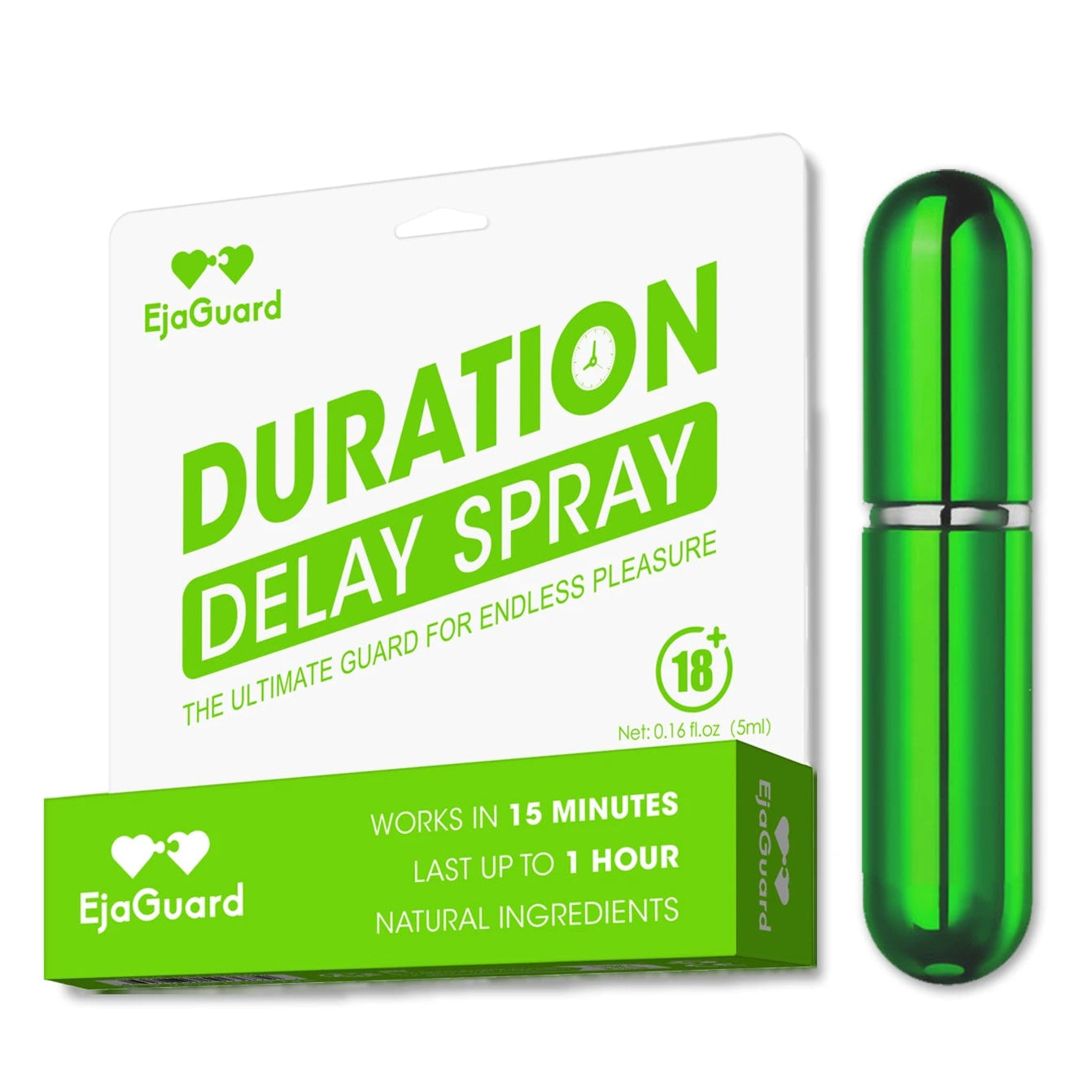
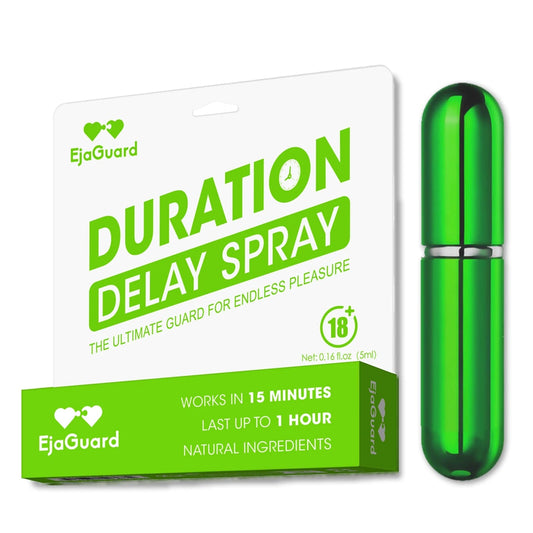
Zum Beispiel werden Produkte wie EjaGuard oft von Menschen erwähnt, die diese Art von Erfahrung suchen.
Anstatt maximale Stärke zu jagen, liegt der Schwerpunkt meist darauf, die Empfindung zu erhalten, während gerade genug des Reizes genommen wird, um die Kontrolle zu verbessern.
Das bedeutet nicht unbedingt, dass pflanzliche Produkte wirksamer sind.
Es bedeutet einfach, dass sie ein anderes Problem lösen.
Pflanzlich bedeutet nicht schwach
Ein weiteres Missverständnis, das ich anfangs hatte, war die Annahme, dass „pflanzlich“ kaum spürbar bedeutet.
Das ist nicht unbedingt wahr.
Eine mildere Wirkung bedeutet nicht automatisch eine unwirksame Wirkung.
Es gibt einen wichtigen Unterschied zwischen Stärke und Nützlichkeit.
Stellen Sie sich zwei Produkte vor.
Das erste reduziert die Empfindlichkeit um 60 %.
Das zweite reduziert sie um 25 %.
Wenn Ihr Körper nur eine Reduzierung um 20 % benötigte, um die Kontrolle zu behalten, könnte das zweite Produkt Ihnen tatsächlich das bessere Gesamterlebnis bieten.
Sie würden immer noch alles normal fühlen, während Sie genug zusätzliche Kontrolle gewinnen, um einen signifikanten Unterschied zu machen.
Deshalb wenden sich einige Leute irgendwann von stärkeren Sprays ab, nachdem sie ursprünglich angenommen hatten, dass sie immer die maximale Leistung wünschen würden.
Sie erkennen, dass sie nicht wirklich maximale Reduzierung benötigen.
Sie brauchen nur genug.
Die richtige Kategorie für Sie finden
Wenn Sie versuchen, zwischen diesen beiden Kategorien zu wählen, hilft es meiner Meinung nach, Markennamen für einen Moment zu vergessen.
Stellen Sie sich stattdessen ein paar einfache Fragen.
Kommen Sie normalerweise fast sofort zum Höhepunkt, unabhängig von der Situation?
Suchen Sie hauptsächlich nach der stärksten möglichen Reduzierung der Empfindlichkeit?
Oder möchten Sie hauptsächlich die Empfindung bewahren und gleichzeitig etwas mehr Kontrolle gewinnen?
Hassen Sie die Vorstellung, taub zu sein?
Würden Sie lieber etwas länger warten, wenn sich das Erlebnis natürlicher anfühlen würde?
Ihre Antworten werden Sie wahrscheinlich viel deutlicher auf eine Kategorie hinweisen, als es jede Online-Rangliste je könnte.

Keine der Kategorien ersetzt das Kennenlernen des eigenen Körpers
Das ist wahrscheinlich die wichtigste Lektion, die ich gelernt habe.
Ob Sie ein Lidocain-Spray, ein Benzocain-Spray oder ein Kräuterspray kaufen, keines davon ersetzt vollständig das Verständnis für den eigenen Körper.
Ihre ideale Dosis ist immer noch wichtig.
Ihre Wartezeit ist immer noch wichtig.
Ihr Stresslevel ist immer noch wichtig.
Ihr Schlaf ist immer noch wichtig.
Das Spray ist nur ein Teil der Gleichung.
Als ich aufhörte, nach dem „perfekten Produkt“ zu suchen und mehr darauf achtete, wie mein eigener Körper reagierte, wurde alles viel einfacher.
Und ehrlich gesagt ist das wahrscheinlich der wichtigste Ratschlag, den ich jedem Anfänger geben würde.
Ihre ideale Dosis finden: Die Fehler, die fast jeder macht
Wenn ich eines gelernt habe, nachdem ich verschiedene Verzögerungssprays ausprobiert habe, dann ist es, dass das Produkt selbst normalerweise nicht die größte Variable ist – Sie sind es.
Wenn Leute sagen, ein Spray „hat nicht funktioniert“, gibt es mehrere mögliche Erklärungen.
Vielleicht passte das Produkt wirklich nicht gut.
Aber genauso oft liegt das Problem an einem dieser Punkte:
- Die Dosis war zu niedrig.
- Die Dosis war zu hoch.
- Sie haben nicht lange genug gewartet.
- Sie haben zu viele Variablen gleichzeitig geändert.
- Sie erwarteten, dass dieselbe Routine, die für jemand anderen funktionierte, auch für sie funktionieren würde.
Diese Fehler sind unglaublich häufig, besonders bei Anfängern.
Die gute Nachricht ist, dass sie auch leicht zu vermeiden sind, wenn man versteht, was man eigentlich testet.
Betrachten Sie Ihren ersten Versuch nicht als endgültiges Urteil
Das ist wahrscheinlich der größte Fehler, den ich online sehe.
Jemand kauft ein Verzögerungsspray, benutzt es einmal und entscheidet sofort:
„Das funktioniert nicht.“
Oder das Gegenteil:
„Das ist viel zu stark.“
Die Wahrheit ist, dass eine einzige Sitzung sehr wenig aussagt.
Denken Sie an die Dinge, die sich von einem Tag auf den anderen ändern können:
- Wie gut Sie geschlafen haben
- Ihr Stresslevel
- Alkohol
- Ihre Erregung
- Zeit seit Ihrer letzten Ejakulation
- Ihr Partner
- Sogar Ihre Stimmung
All das kann die Empfindlichkeit beeinflussen, bevor das Spray überhaupt ins Spiel kommt.
Deshalb finde ich es unfair, ein Produkt nach einmaligem Gebrauch zu beurteilen.
Stattdessen versuche ich, die ersten paar Sitzungen als Informationssammlung zu betrachten, anstatt Perfektion zu erwarten.
Ändern Sie jeweils nur eine Variable
Wenn etwas nicht funktioniert, ändern die meisten Menschen instinktiv alles.
Zum Beispiel:
Gestern:
- 2 Sprühstöße
- 15 Minuten gewartet
Hat nicht funktioniert.
Also beschließen sie heute:
- 4 Sprühstöße
- 30 Minuten warten
- Anderer Ort
- Anderes Vorspiel
- Andere Stimmung
Stellen Sie sich vor, es funktioniert plötzlich.
Großartig...
Aber warum?
Waren es die zusätzlichen Sprühstöße?
Die längere Wartezeit?
Ein geringeres Stresslevel?
Sie haben keine Ahnung.
Deshalb empfehle ich immer, nur eine Variable gleichzeitig zu ändern.
Wenn Sie mit der Dosierung experimentieren, behalten Sie die Wartezeit bei.
Wenn Sie die Wartezeit testen, behalten Sie die Dosierung bei.
Das macht es viel einfacher herauszufinden, was tatsächlich den Unterschied gemacht hat.

Konservativ anfangen
Ein weiterer Anfängerfehler ist die Annahme, dass mehr besser sein muss.
Ist es nicht.
Fast jedes Verzögerungsspray hat einen Punkt, an dem das Hinzufügen weiterer Sprühstöße aufhört, das Erlebnis zu verbessern, und beginnt, es zu beeinträchtigen.
Wenn Sie ein stärkeres Lidocain-Spray verwenden, kann dieser Punkt überraschend schnell erreicht werden.
Auch mildere Produkte haben ihre Grenzen.
Der sicherste Ansatz ist in der Regel einfach:
Beginnen Sie mit der Empfehlung des Herstellers.
Beobachten Sie, wie Ihr Körper reagiert.
Erhöhen Sie nur schrittweise, wenn Sie wirklich mehr Kontrolle benötigen.
Es ist viel einfacher, beim nächsten Mal einen weiteren Sprühstoß hinzuzufügen, als eine zu hohe Dosis rückgängig zu machen.
Wartezeit ist genauso wichtig wie die Dosierung
Das überraschte mich mehr als alles andere.
Als ich anfing, Verzögerungssprays zu verwenden, dachte ich, die Dosierung sei alles.
Schließlich merkte ich, dass das Timing das Ergebnis völlig verändern kann.
Wenn die Inhaltsstoffe nicht genügend Zeit hatten, einzuziehen, kann sich das Spray viel schwächer anfühlen, als es tatsächlich ist.
Dann machen viele Anfänger einen weiteren Fehler.
Sie denken:
„Vielleicht brauche ich einen weiteren Sprühstoß.“
Also wenden sie mehr an.
Dann, zwanzig Minuten später, erreichen beide Anwendungen gleichzeitig die volle Wirkung.
Plötzlich sind sie viel tauber, als sie erwartet hatten.
Das Problem war nicht, dass die erste Dosis zu gering war.
Das Problem war Ungeduld.

Verschiedene Produkte benötigen unterschiedliche Wartezeiten
Ein Grund, warum Anfänger verwirrt sind, ist, dass nicht jedes Verzögerungsspray gleich wirkt.
Viele Lidocain-Produkte erreichen ihre beabsichtigte Wirkung nach etwa 10–15 Minuten.
Viele Kräuterprodukte benötigen eher 20–30 Minuten, bevor sie sich richtig entfalten.
Wenn Sie beispielsweise ein Kräuterspray wie EjaGuard verwenden und nach zehn Minuten volle Ergebnisse erwarten, werden Sie wahrscheinlich enttäuscht sein.
Das bedeutet nicht unbedingt, dass das Spray nicht wirkt.
Es kann einfach bedeuten, dass es noch nicht genug Zeit hatte.
Allein dieses Verständnis kann viel Frustration ersparen.

Alles andere konsistent halten
Wenn Sie versuchen, Ihre ideale Routine zu finden, ist Konsistenz wichtig.
Verwenden Sie die gleiche Anzahl von Sprühstößen.
Warten Sie ungefähr die gleiche Zeitspanne.
Wenden Sie sie auf die gleichen Bereiche an.
Nur dann können Sie die Ergebnisse fair vergleichen.
Es klingt langweilig, ist aber überraschend effektiv.
Nach ein paar Sitzungen werden Sie Muster erkennen.
Vielleicht wirken drei Sprühstöße konsequent besser als zwei.
Vielleicht macht fünf Minuten länger warten einen größeren Unterschied als ein weiterer Sprühstoß.
Diese kleinen Beobachtungen sind es, die Ihnen helfen, eine wirklich zuverlässige Routine zu entwickeln.
Ihre "perfekte Dosis" kann sich ändern
Etwas anderes, das mich überrascht hat, war die Erkenntnis, dass meine ideale Dosis nicht jedes Mal genau dieselbe war.
An manchen Tagen fühlte ich mich von Natur aus viel empfindlicher.
Normalerweise geschah es nach:
- Schlechtem Schlaf
- Hohem Stress
- Langen Pausen zwischen dem Sex
- Einer besonders aufregenden Situation
An diesen Tagen brauchte ich manchmal etwas mehr Hilfe.
An anderen Tagen brauchte ich weniger.
Das bedeutet nicht, dass das Spray inkonstant wurde.
Es bedeutet, dass ich nicht konsistent war.
Als ich das akzeptierte, hörte ich auf, nach einer magischen Zahl zu suchen.
Stattdessen begann ich, in einem angenehmen Bereich zu denken.
Überdosierung erkennen lernen
Menschen konzentrieren sich meist darauf, dass Sprays zu schwach sind.
Ich persönlich denke, dass die Überdosierung genauso viele Probleme verursacht.
Einige Anzeichen dafür, dass Sie wahrscheinlich zu weit gegangen sind, sind:
- Das Gefühl ist ungewöhnlich stumpf.
- Eine Erektion zu halten, wird schwieriger.
- Der Orgasmus fühlt sich seltsam distanziert an.
- Sie genießen das Erlebnis nicht mehr.
- Ihr Partner bemerkt, dass Sie weniger reagieren.
Wenn das passiert, gehen Sie nicht davon aus, dass das Produkt schlecht ist.
Die einfachste Lösung ist oft, die Dosis beim nächsten Mal zu reduzieren.
Die richtige Balance zu finden, bedeutet normalerweise, Kontrolle und Empfindung auszubalancieren – und nicht die Empfindung ganz zu eliminieren.

Notizen machen (zumindest am Anfang)
Das mag etwas obsessiv klingen, aber ich fand es tatsächlich hilfreich.
Sie brauchen keine Tabelle.
Schreiben Sie einfach nach jeder Sitzung ein paar grundlegende Details auf:
- Produkt
- Anzahl der Sprühstöße (oder Tropfen)
- Wartezeit
- Gesamtkontrolle
- Gesamtempfindung
Nach vier oder fünf Sitzungen werden Sie wahrscheinlich Trends bemerken, die Sie aus dem Gedächtnis allein unmöglich genau erinnern könnten.
Irgendwann brauchen Sie keine Notizen mehr, weil Ihre Routine zur zweiten Natur wird.
Das Ziel ist nicht maximale Verzögerung
Das ist wahrscheinlich die größte Veränderung in meiner Denkweise, die ich hatte.
Zuerst beurteilte ich jede Sitzung nach einer Frage:
"Wie viel länger habe ich durchgehalten?"
Jetzt stelle ich eine andere Frage.
"Hat sich der Sex tatsächlich besser angefühlt?"
Das ist nicht immer dasselbe.
Wenn Sie doppelt so lange durchhalten, aber die ganze Zeit über das Gefühl haben, nicht verbunden zu sein, ständig überprüfen, ob Sie taub sind, oder Schwierigkeiten haben, präsent zu bleiben, ist das wahrscheinlich nicht das Ergebnis, das Sie wollten.
Für mich war die beste Routine am Ende diejenige, bei der ich aufhörte, über das Spray nachzudenken.
Es gab mir genug zusätzliche Kontrolle, sodass ich mir keine ständigen Sorgen machen musste, zu früh zu kommen, aber es trat auch in den Hintergrund, sodass ich mich auf meinen Partner konzentrieren konnte, anstatt auf meine Leistung.
Rückblickend bedeutet das, die "richtige Dosis" zu finden.
Es ist nicht die höchste Dosis, die Sie vertragen können.
Es ist die niedrigste Dosis, die Ihnen das Vertrauen gibt, nicht mehr darüber nachzudenken.

