

 Buy Now

Benzocain vs. Lidocain: Welches Betäubungsmittel eignet sich am besten für die vorzeitige Ejakulation?

Was sind Benzocain und Lidocain?

Benzocain und Lidocain sind beides topische Anästhetika, die zur Betäubung der Haut oder der Schleimhäute eingesetzt werden.
Lidocain wird häufig im medizinischen Bereich eingesetzt – beispielsweise bei zahnärztlichen Eingriffen, kleineren Operationen oder Betäubungsspritzen. Es blockiert die Nervensignale im Körper und wirkt in der Regel schnell.
Benzocain hingegen ist milder und findet sich häufiger in rezeptfreien Produkten wie Schmerzgelen für den Mundraum, Halspastillen und – ja – auch in Desensibilisierungssprays für Männer.
Im Schlafzimmer dienen diese Mittel einem einzigen Zweck: die Empfindung zu reduzieren und Ihnen zu helfen, länger durchzuhalten, ohne zu schnell zum Orgasmus zu kommen.
Wenn Sie verstehen, wie Lidocain wirkt und wo Benzocain eingesetzt wird, können Sie eine kluge Entscheidung für Ihr sexuelles Wohlbefinden treffen.
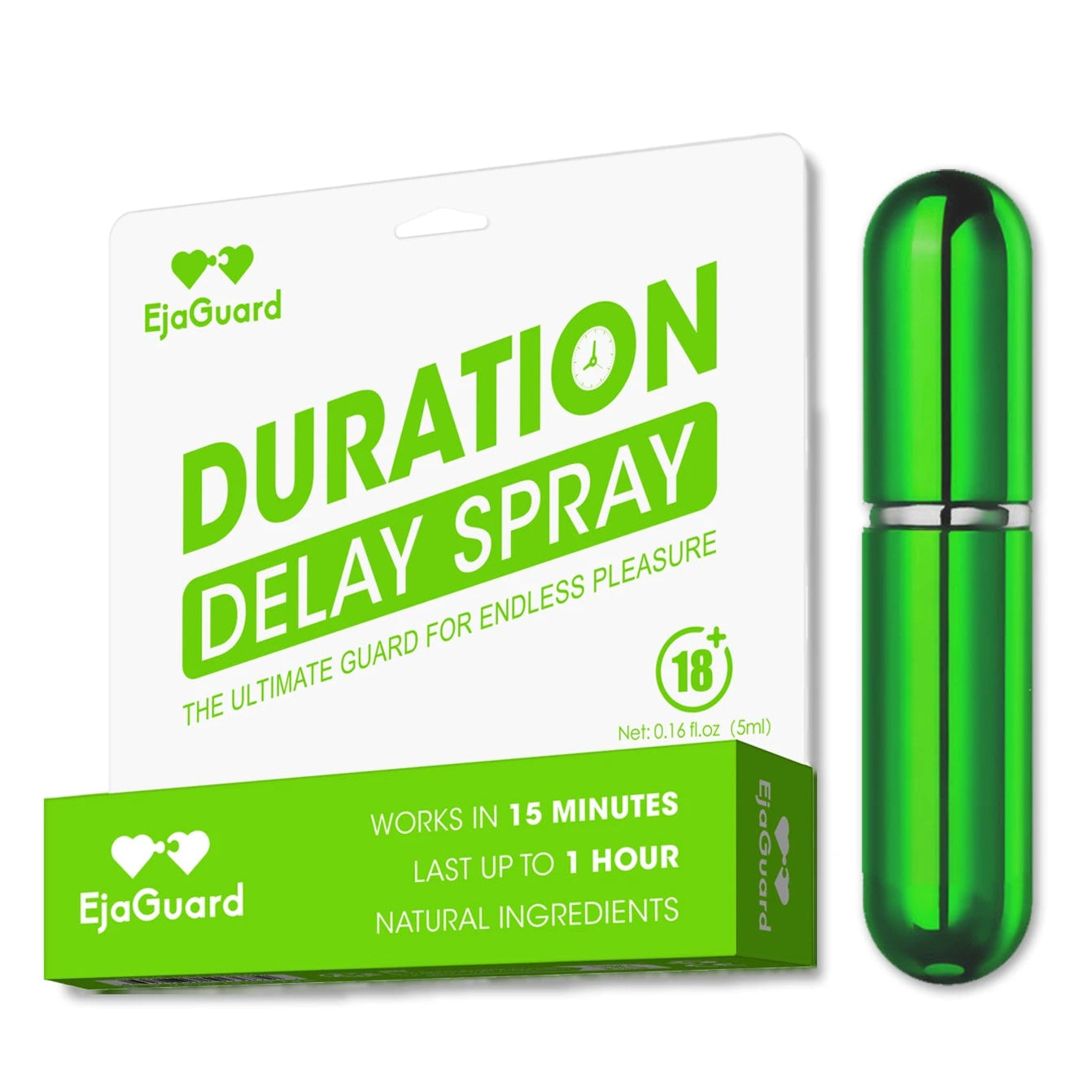
In Produkten für sexuelles Wohlbefinden werden Benzocain und Lidocain häufig in desensibilisierenden Lösungen verwendet – wie beispielsweise in unserem klinisch entwickelten EjaGuard Verzögerungsspray. um Männern zu helfen, mehr Kontrolle zu erlangen, ohne dabei auf Vergnügen zu verzichten.

Benzocain vs. Lidocain bei vorzeitigem Samenerguss

Kommen wir gleich zur Sache: Ist Lidocain oder Benzocain besser für die Behandlung von vorzeitigem Samenerguss?
Hier ist der Vergleich:
Lidocain für PE
-
Stärke : Stärker und effektiver für eine tiefere Nervenbetäubung.
-
Geschwindigkeit : Wirkt innerhalb von 5–10 Minuten.
-
Wirkungsdauer : Hält je nach Zusammensetzung etwa 30–60 Minuten an.
-
Übliche Darreichungsform : Lidocain-Verzögerungsspray oder -Tücher.
Benzocain für PE
-
Stärke : Milder; gut geeignet für Männer mit leichten Empfindlichkeitsproblemen.
-
Geschwindigkeit : Wirkt innerhalb von 15–20 Minuten.
-
Wirkungsdauer : Kürzer als bei Lidocain – etwa 20–30 Minuten.
-
Übliche Darreichungsform : Benzocain-Kondome oder -Sprays.
In der Debatte um Benzocain versus Lidocain zur Behandlung des vorzeitigen Samenergusses ist Lidocain tendenziell die bevorzugte Wahl für Männer, die eine stärkere Desensibilisierung benötigen, ohne dabei die Empfindung vollständig zu opfern.
Wenn Sie jedoch eine subtile Betäubungswirkung wünschen oder empfindliche Haut haben, ist Benzocain möglicherweise die bessere Wahl.
Für schnelle und starke Ergebnisse wird Lidocain-Spray zur Behandlung der vorzeitigen Ejakulation häufig sowohl von Urologen als auch von Sexualtherapeuten empfohlen.
Unterschiede in Wirksamkeit und Absorption

Beim Vergleich von Lidocain und Benzocain zur sexuellen Anwendung kommt es auf Wirksamkeit und Absorption an.
Lidocain ist wasserlöslich, das heißt, es wird schneller aufgenommen und dringt tiefer in die Nervenenden ein. Deshalb enthalten die meisten klinisch zugelassenen Verzögerungssprays Lidocain – es wirkt schnell und zuverlässig.
Benzocain hingegen ist öllöslich. Es verbleibt eher an der Hautoberfläche, was von Vorteil sein kann, wenn man nur eine leichte Betäubung benötigt und ein zu starkes Taubheitsgefühl vermeiden möchte.
Hier eine kurze Zusammenfassung:
| Besonderheit | Lidocain | Benzocain |
|---|---|---|
| Wirkungseintritt | 5–10 Minuten | 15–20 Minuten |
| Dauer | Bis zu 60 Minuten | Bis zu 30 Minuten |
| Tiefe | Tiefe Nervenpenetration | Oberflächenebene |
| Absorption | Schnell | Langsamer |
Wenn Sie also nach dem besten Betäubungsmittel für vorzeitigen Samenerguss suchen, ist Lidocain hinsichtlich Wirksamkeit und Absorption führend .
Da die Absorptionsgeschwindigkeit eine Rolle spielt, bieten Lidocain-Sprays mehr Kontrolle als Benzocain-Kondome – insbesondere in Kombination mit unterstützenden Produkten wie EjaGuard Gleitmitteln. um Komfort und Empfindung aufrechtzuerhalten.
Sicherheit, Nebenwirkungen & Überempfindlichkeit

Sowohl Benzocain als auch Lidocain sind bei korrekter Anwendung im Allgemeinen sicher – aber sprechen wir über die Risiken.
Lidocain
-
Kann bei übermäßiger Anwendung zu vorübergehendem Empfindungsverlust führen.
-
Kann auf Ihren Partner übertragen werden, wenn es nicht ordnungsgemäß abgewaschen wird.
-
In seltenen Fällen kann es zu allergischen Reaktionen (Brennen, Juckreiz, Rötung) kommen.
Benzocain
-
Bekannt dafür, häufiger allergische Reaktionen hervorzurufen als Lidocain.
-
Es besteht die Gefahr einer Methämoglobinämie , einer seltenen Blutkrankheit, insbesondere bei übermäßigem Gebrauch.
-
Eine mildere Wirkung bedeutet insgesamt weniger gemeldete Nebenwirkungen.
Welches ist besser für empfindliche Haut?
Benzocain ist schonender, aber auch weniger wirksam. Wenn Sie bereits allergische Reaktionen auf Betäubungsmittel hatten, sollten Sie einen Arzt konsultieren und einen Hautverträglichkeitstest in Erwägung ziehen.
Befolgen Sie stets die Produktanweisungen und warten Sie die empfohlene Zeit vor dem Geschlechtsverkehr, um eine Betäubung Ihres Partners/Ihrer Partnerin zu vermeiden.
Für Männer, die sich Sorgen um Empfindlichkeit oder eine Übertragung auf den Partner machen, empfiehlt sich die Verwendung eines kontrollierten Sprühformats – anstelle von beschichteten Kondomen – wie beispielsweise unser Verzögerungsspray. kann dazu beitragen, Nebenwirkungen zu minimieren.
Nutzererfahrung: Was fühlt sich besser an?
Komfort und Empfindungen sind wichtig – besonders im Schlafzimmer.
Viele Männer berichten, dass Lidocain-Sprays sich sauberer anfühlen und schnell einziehen, ohne einen klebrigen Film zu hinterlassen. Einige berichten von einem leichten Kribbeln oder einem kühlenden Gefühl, das schnell wieder verschwindet.
Benzocain , das in Kondomen und Gelen enthalten ist, fühlt sich tendenziell leichter an, kann aber eine längere Wirkungsdauer haben oder bei unvollständiger Absorption zu einem leichten Taubheitsgefühl beim Partner führen.
Wer eine starke Wirkung und schnelle Aufnahme bevorzugt, ist mit Lidocain gut beraten. Wer hingegen eine sanftere Methode mit geringerem Risiko einer vollständigen Betäubung wünscht, für den könnte Benzocain besser geeignet sein.
Kurz gesagt: Lidocain = Stärke, Benzocain = Subtilität.
Verfügbarkeit: Rezeptfreie Produkte und Anwendungstipps
Beide Inhaltsstoffe sind in einer Reihe von rezeptfreien (OTC) Produkten zur sexuellen Gesundheit erhältlich.
Lidocain-Produkte:
-
Verzögerungssprays (am beliebtesten)
-
Desensibilisierungstücher
-
Topische Gele
Benzocain-Produkte:
-
Kondome mit Benzocain-Beschichtung
-
Sanfte Sprays oder Cremes
Anwendungshinweise :
-
5–10 Minuten vor dem Geschlechtsverkehr auftragen.
-
Überschüssiges Wasser abwischen, um die Übertragung auf andere Partner zu reduzieren.
-
Beginnen Sie mit einer kleinen Dosis und passen Sie diese nach Bedarf an.
Einige beliebte Marken von Lidocain-Sprays zur Behandlung von vorzeitigem Samenerguss enthalten Formulierungen, die speziell entwickelt wurden, um die Empfindlichkeit zu reduzieren, ohne eine vollständige Betäubung zu verursachen – perfekt, um die Kontrolle zu verbessern und gleichzeitig das Vergnügen zu erhalten.
Vergleicht man Lidocain-Verzögerungsspray mit Benzocain-Kondomen , so bietet das Spray eine bessere Kontrolle darüber, wie viel und wo aufgetragen wird.
Expertenempfehlungen: Welche Option ist die richtige?
Wählen Sie Lidocain, wenn:
-
Sie brauchen eine schnelle, starke Wirkung.
-
Sie haben Benzocain ausprobiert, jedoch mit geringem Erfolg.
-
Sie wünschen sich eine präzisere Steuerung (z. B. Sprühformat).
Wählen Sie Benzocain, wenn:
-
Du hast empfindliche Haut.
-
Sie bevorzugen eine mildere Wirkung.
-
Du hast kein Problem mit Kondomen als Verhütungsmittel.
Wenn Sie noch keine Erfahrung mit Verzögerungsprodukten haben, beginnen Sie mit einem Spray auf Lidocainbasis . Es bietet gleichbleibende Wirkung, zieht schnell ein und erzielt starke Ergebnisse – ideal für Männer, die schnell ihre Ausdauer steigern möchten.
Fazit und Wichtigste Erkenntnisse
Wenn es um Benzocain im Vergleich zu Lidocain geht, können beide dazu beitragen, dass man länger durchhält – aber sie sind nicht gleichwertig.
Lidocain wirkt schneller, dringt tiefer ein und ist Bestandteil vieler hoch bewerteter Verzögerungssprays.
Benzocain ist sanfter und daher ideal für Anfänger oder Menschen mit empfindlicher Haut.
Ihre Wahl hängt von Ihren Zielen ab: schnelle Ergebnisse und Kontrolle (wählen Sie Lidocain) oder milde Betäubung und einfache Anwendung (versuchen Sie Benzocain).
Sie möchten mehr Befriedigung ohne den Rausch erleben? Probieren Sie ein Spray auf Lidocainbasis für eine kraftvolle und bewährte Wirkung.
Häufig gestellte Fragen
Ist Lidocain oder Benzocain besser für die Behandlung von vorzeitigem Samenerguss?
Lidocain ist im Allgemeinen besser geeignet bei vorzeitigem Samenerguss. Es zieht schneller ein und sorgt für eine tiefere Betäubung, wodurch der Samenerguss effektiver verzögert werden kann. Benzocain ist eine sanftere Option und eignet sich am besten für leichte Fälle oder für Männer, die zum ersten Mal ejakulieren.
Gibt es Nebenwirkungen bei der Anwendung von Lidocain- oder Benzocain-Sprays?
Die meisten Männer vertragen diese Medikamente gut. Lidocain kann bei übermäßiger Anwendung vorübergehend Taubheitsgefühl oder Kribbeln verursachen. Benzocain birgt ein höheres Risiko für allergische Reaktionen. Führen Sie daher immer einen Hautverträglichkeitstest durch und befolgen Sie die Anwendungshinweise.
Wie lange vor dem Sex sollte ich Verzögerungsspray anwenden?
Sprühen Sie Lidocain etwa 5–10 Minuten vor dem Geschlechtsverkehr auf. Benzocainhaltige Kondome benötigen etwa 15–20 Minuten , um ihre volle Wirkung zu entfalten. Wischen Sie überschüssiges Spray immer ab, um eine Betäubung Ihres Partners/Ihrer Partnerin zu vermeiden.
