

 Buy Now
Can Your Diet Affect Premature Ejaculation? Understanding Nutrition, Metabolic Health, and Sexual Function

When people think about improving sexual performance, they often focus on exercise, medications, supplements, or products designed to delay ejaculation. Diet is another factor that deserves attention, but its relationship with premature ejaculation (PE) is not always easy to understand.
Some men wonder whether eating certain foods can help them last longer. Others look for vitamins, minerals, or supplements that might improve ejaculation control. Online discussions often mention foods such as bananas, nuts, seafood, dark chocolate, and other supposedly beneficial ingredients.
But how much of this advice is supported by scientific evidence?
The relationship between nutrition and male sexual health is real, although the connection between diet and premature ejaculation specifically remains less established. Dietary habits can influence cardiovascular health, metabolic function, energy levels, and general well-being. These factors may affect sexual function, but that does not mean a particular meal can directly control the timing of ejaculation.
In this article, we will examine what research actually says about diet and premature ejaculation, explore the potential role of metabolic health, discuss common nutritional myths, and look at practical dietary habits that may support men's overall sexual health.

Table of Contents
-
Understanding Premature Ejaculation and Sexual Health
-
Can Diet Directly Cause or Improve Premature Ejaculation?
-
What Does Research Say About Diet and Male Sexual Function?
-
The Connection Between Nutrition and Metabolic Health
-
Can Blood Sugar Levels Influence Sexual Function?
-
Does Cardiovascular Health Matter for Ejaculation Control?
-
Nutrients That Support General Male Sexual Health
-
Foods Commonly Associated With Better Sexual Performance
-
Can Poor Eating Habits Make Sexual Problems Worse?
-
Do Supplements Help With Premature Ejaculation?
-
Can a Mediterranean-Style Diet Support Men's Sexual Health?
-
How to Build a More Balanced Eating Routine
-
Can Diet Replace Other Premature Ejaculation Treatments?
-
When Should You Seek Professional Advice?
-
A Practical Approach to Nutrition and Ejaculation Control
Understanding Premature Ejaculation and Sexual Health
Premature ejaculation is one of the most common male sexual concerns. It generally involves ejaculation that occurs sooner than desired, difficulty delaying it, and associated distress or dissatisfaction.
However, PE is not defined by a single universal time limit. Some men experience ejaculation very quickly after sexual activity begins, while others have more variable difficulties depending on the situation.
There is also a distinction between lifelong and acquired PE. Lifelong PE is present from a person's earliest sexual experiences, whereas acquired PE develops after a period of previously satisfactory ejaculation control. Understanding this distinction can help identify whether lifestyle changes, medical evaluation, or targeted treatment may be appropriate.
For a more detailed explanation, read our guide on how premature ejaculation is diagnosed and why it is more than just a stopwatch.
Sexual function is influenced by multiple systems in the body. The brain, nervous system, hormones, blood circulation, psychological state, and relationship circumstances all contribute to sexual experiences. Nutrition can influence some aspects of physical health, but it does not independently determine how quickly someone ejaculates.
This is why it is important to distinguish between improving general sexual health and directly treating premature ejaculation. A healthier diet may support the body's overall functioning, but it should not automatically be considered a specific PE treatment.

Can Diet Directly Cause or Improve Premature Ejaculation?
The short answer is that there is currently insufficient evidence to establish a direct cause-and-effect relationship between specific foods and premature ejaculation.
Unlike certain medical conditions or medications that may influence sexual function, ordinary dietary choices are not recognized as a direct explanation for every case of PE.
For example, there is no strong clinical evidence that eating bananas, drinking a particular juice, or consuming a specific type of seafood will reliably delay ejaculation. Similarly, there is no established food that can reverse lifelong PE.
However, this does not mean diet is irrelevant.
Long-term eating patterns can influence body weight, blood sugar regulation, cardiovascular health, and metabolic function. These factors are associated with broader aspects of men's sexual health, especially erectile function. Some of these health conditions may coexist with PE or affect a person's overall sexual experience.
The important distinction is that an association with general sexual health does not prove a direct effect on ejaculation timing.
The National Institute of Diabetes and Digestive and Kidney Diseases (NIDDK) explains that healthy dietary patterns may help reduce the risk of erectile dysfunction and improve symptoms in some men. This evidence concerns erectile function rather than proving that diet treats PE.

What Does Research Say About Diet and Male Sexual Function?
Research into nutrition and male sexual health has traditionally focused more on erectile function, testosterone, fertility, and semen quality than on premature ejaculation.
A 2018 review titled Diet and Men's Sexual Health examined studies involving dietary patterns, erectile dysfunction, hormone levels, and male fertility. It found evidence linking healthier dietary patterns with aspects of men's sexual health, including a lower likelihood of erectile dysfunction in some populations.
The review also discussed how weight loss and dietary improvements may benefit certain men with obesity or metabolic risk factors. However, it did not establish that dietary changes directly improve premature ejaculation.
You can read the review through PubMed's research summary on diet and men's sexual health.
More recent research has continued to explore the relationship between dietary patterns and sexual function. A 2025 systematic review and meta-analysis examined healthy dietary patterns, including Mediterranean-style and other approaches, and their relationship with sexual function and certain urinary symptoms.
The findings suggested that healthier dietary patterns were associated with improvements in broader sexual health outcomes. However, the studies included different populations and sexual health measurements. These results should not be interpreted as direct evidence that changing one's diet treats PE.
A useful way to understand the current evidence is to separate three questions:
-
Can healthy eating support general male sexual health? There is evidence suggesting that it can.
-
Can diet influence conditions such as obesity, diabetes, and cardiovascular disease that may affect sexual function? Yes, dietary habits can play an important role.
-
Can a particular diet reliably improve ejaculation control? This has not yet been established.
The 2025 systematic review on healthy dietary patterns and sexual function provides additional context, while also highlighting the need for more targeted research.
The Connection Between Nutrition and Metabolic Health
One of the most important ways diet may influence sexual health is through its effects on metabolic health.
Metabolic health refers to how effectively the body manages processes such as blood sugar regulation, blood pressure, cholesterol levels, and body weight.
When these systems are functioning well, the body is generally better equipped to maintain healthy circulation, nerve function, and energy balance.
On the other hand, long-term unhealthy eating patterns can contribute to weight gain, insulin resistance, high blood pressure, and abnormal cholesterol levels. These conditions may increase the risk of several health problems, including cardiovascular disease and erectile dysfunction.
This does not mean that every man with poor eating habits will develop sexual problems. It also does not mean that every man with PE has an underlying metabolic condition.
However, men who experience persistent sexual difficulties alongside other health concerns may benefit from a broader medical assessment rather than focusing exclusively on ejaculation time.
The relationship between metabolic health and sexual function is also discussed in our article about whether high cholesterol can affect premature ejaculation.

Can Blood Sugar Levels Influence Sexual Function?
Blood sugar regulation is another area worth understanding.
When blood glucose remains elevated over long periods, it can contribute to damage affecting blood vessels and nerves. These changes are particularly relevant to erectile function because a healthy erection depends on coordinated nerve signaling and adequate blood flow.
Diabetes can also contribute to other health complications, including cardiovascular disease and hormonal changes.
The relationship between diabetes and ejaculation is more complicated. Some men with diabetes experience erectile difficulties, while others report changes in ejaculation or orgasm. Delayed ejaculation and retrograde ejaculation are recognized concerns in some men with diabetic nerve damage.
Premature ejaculation may also occur in people with diabetes, but the relationship is not simple enough to assume that high blood sugar directly causes PE.
For someone with diabetes or prediabetes, managing blood glucose is important for long-term health regardless of whether it changes ejaculation control.
The American Diabetes Association's information on diabetes and sexual health can help readers understand why blood sugar management matters beyond daily energy levels.
Dietary habits can support blood sugar management. Choosing more fiber-rich foods, balancing meals, and reducing excessive intake of sugary drinks may help improve overall metabolic health.
However, people with diagnosed diabetes should follow an individualized treatment plan rather than attempting to manage the condition through dietary changes alone.

Does Cardiovascular Health Matter for Ejaculation Control?
Sexual function depends partly on a healthy cardiovascular system.
During sexual arousal, blood flow changes throughout the body. For men, achieving and maintaining an erection requires adequate circulation and healthy blood vessel function.
Conditions such as hypertension, high cholesterol, and atherosclerosis can interfere with these processes. They are well-established risk factors for erectile dysfunction.
The relationship with PE is different.
Some men who experience erectile difficulties may become anxious about losing their erection. They might rush sexual activity or feel pressure to ejaculate before their erection changes. In these situations, erectile concerns can contribute to difficulties with perceived ejaculation control.
However, many men experience PE without having cardiovascular or erection-related problems.
This distinction matters because treating an underlying cardiovascular condition may improve overall sexual health without necessarily resolving PE.
For general cardiovascular health, the American Heart Association's dietary guidance recommends a balanced eating pattern that emphasizes vegetables, fruits, whole grains, healthy protein sources, and appropriate fat choices.
Nutrients That Support General Male Sexual Health
Although no nutrient has been proven to directly treat premature ejaculation, several nutrients are important for maintaining normal bodily functions that contribute to general health.
1. Zinc
Zinc is an essential mineral involved in immune function, cell growth, and normal reproductive processes.
It is found in foods such as oysters, meat, poultry, beans, nuts, and whole grains.
Zinc deficiency can affect health, but taking additional zinc when levels are already adequate has not been established as a way to improve ejaculation control.
2. Magnesium
Magnesium participates in hundreds of biochemical reactions, including muscle and nerve function.
Good dietary sources include leafy green vegetables, nuts, seeds, legumes, and whole grains.
Adequate magnesium intake supports normal physiological function, but there is no reliable evidence that magnesium supplementation directly delays ejaculation.
3. Vitamin D
Vitamin D is important for bone health, immune function, and other physiological processes.
Some research has explored relationships between vitamin D status, testosterone, and male sexual health. However, findings are not sufficient to recommend vitamin D as a treatment for PE.
People with a diagnosed deficiency should discuss appropriate supplementation with a healthcare professional.
4. Omega-3 fatty acids
Omega-3 fatty acids are found in foods such as salmon, sardines, mackerel, walnuts, chia seeds, and flaxseeds.
They are involved in normal cellular function and are commonly included in heart-healthy dietary patterns.
Their potential benefits for cardiovascular health do not mean that they have a proven direct effect on ejaculation timing.
5. Antioxidants
Antioxidants are compounds that help protect cells from oxidative stress.
They are found in a wide range of foods, including berries, colorful vegetables, nuts, and certain whole grains.
A diet containing a variety of plant-based foods can help provide antioxidants without requiring expensive supplements.
The most practical approach is to obtain nutrients through a balanced diet whenever possible. Supplements should be considered when there is a specific nutritional need, not simply because a product is marketed for male performance.

Foods Commonly Associated With Better Sexual Performance
Online discussions frequently recommend particular foods for improving stamina, libido, or ejaculation control. Some of these foods are nutritious, but their reputation as sexual performance boosters is often exaggerated.
Here are several commonly mentioned examples and what can reasonably be said about them.
Bananas
Bananas contain potassium, carbohydrates, and other nutrients. They can be part of a balanced diet and provide convenient energy.
However, there is no strong evidence that eating bananas directly delays ejaculation.
Nuts and seeds
Almonds, walnuts, pumpkin seeds, and other nuts provide healthy fats, fiber, and minerals.
They can support overall dietary quality and may contribute to cardiovascular health when included as part of a balanced eating pattern.
Their nutritional value should not be confused with a specific effect on PE.
Leafy green vegetables
Spinach, kale, broccoli, and other green vegetables provide fiber, vitamins, minerals, and plant compounds.
They are useful components of a heart-healthy diet, but they are not proven ejaculation-control treatments.
Fatty fish
Salmon, sardines, and other oily fish contain omega-3 fatty acids and high-quality protein.
Including fish in a balanced diet may support cardiovascular health. This is valuable for general well-being, although a direct effect on PE has not been demonstrated.
Berries and colorful fruits
Berries, citrus fruits, and other colorful fruits contain fiber and various antioxidants.
They can help improve overall dietary quality and provide an alternative to highly processed snacks.
Rather than looking for one special food, it is more useful to focus on the overall pattern of eating. No single ingredient should be expected to produce a reliable change in ejaculation timing.
Can Poor Eating Habits Make Sexual Problems Worse?
An occasional fast-food meal or sugary snack is unlikely to have a meaningful effect on ejaculation control by itself.
The concern is more about long-term patterns.
A diet consistently high in highly processed foods, added sugars, and excessive saturated fat may contribute to weight gain, insulin resistance, and cardiovascular risk.
These conditions can affect energy levels, physical health, and erectile function. They may also coexist with psychological stress and other lifestyle factors that influence sexual well-being.
Another issue is irregular eating.
Some people skip meals throughout the day, consume large amounts of food late at night, and rely heavily on caffeine or sugary drinks to maintain energy. This pattern may contribute to poor sleep, fluctuating energy levels, and difficulty maintaining healthy routines.
Poor sleep and chronic fatigue can make sexual activity feel more difficult or stressful, although these effects should not be mistaken for a direct dietary cause of PE.
If you are interested in how broader health habits may influence ejaculation control, our guide to the relationship between ejaculation control and ejaculation time explains why sexual satisfaction cannot always be measured by duration alone.
It is also worth considering alcohol consumption. Alcohol can affect judgment, coordination, and sexual response. Although some people believe drinking helps them last longer, alcohol is not a reliable or recommended method for managing PE.

Do Supplements Help With Premature Ejaculation?
The market for male sexual health supplements is large. Products often claim to improve stamina, increase testosterone, enhance circulation, or help men last longer.
Common ingredients include zinc, magnesium, ginseng, maca, L-arginine, and various herbal extracts.
The problem is that evidence supporting these products for premature ejaculation is often limited.
Some ingredients have been studied for other aspects of sexual health, particularly erectile function. That does not mean they have been shown to improve ejaculation control.
For example, research into ginseng and L-arginine has explored potential effects on erectile function. These findings cannot automatically be applied to PE.
The European Association of Urology's guidance on erectile dysfunction treatment discusses herbal products and supplements while noting that the evidence supporting many of them remains limited.
There are also safety considerations.
Supplements may interact with prescription medications or contain ingredients that are not clearly listed on the label. Products marketed for sexual enhancement are not necessarily risk-free simply because they are described as natural.
Before taking a supplement for sexual performance, consider the following:
-
Check whether there is credible clinical evidence for the specific ingredient and intended use.
-
Avoid products making unrealistic promises, such as guaranteed results or immediate cures.
-
Discuss supplements with a healthcare professional if you take prescription medication or have an existing medical condition.
-
Do not assume that a product is safe simply because it is sold online.
For most men, improving overall dietary quality is a more sensible starting point than buying multiple supplements with uncertain benefits.

Can a Mediterranean-Style Diet Support Men's Sexual Health?
The Mediterranean-style diet is frequently discussed in research on cardiovascular and metabolic health.
It generally emphasizes:
-
Vegetables and fruits.
-
Whole grains.
-
Beans, lentils, and other legumes.
-
Nuts and seeds.
-
Fish and seafood.
-
Olive oil and other sources of unsaturated fats.
-
Moderate portions of poultry and dairy.
-
Limited intake of highly processed foods and excessive added sugars.
This dietary pattern is not a special diet for premature ejaculation. Its potential value comes from supporting general health over time.
Research has associated Mediterranean-style eating with better cardiovascular outcomes and a lower risk of erectile dysfunction in some populations.
A 2025 randomized controlled trial also examined Mediterranean and Persian dietary patterns among men with infertility. It reported changes in several sexual-function and semen-quality measurements, although the study population was specific and the findings do not establish that these diets treat PE.
You can explore the 2025 clinical trial on Mediterranean and Persian dietary patterns and male sexual function for more detail.
The Mediterranean approach is also practical because it does not require eliminating entire food groups or following an extremely restrictive meal plan.
Instead, it encourages a consistent pattern of nutritious foods that can be adapted to different preferences, budgets, and cultural eating habits.
For someone who currently relies heavily on fast food or packaged meals, even gradual changes may improve overall dietary quality.
How to Build a More Balanced Eating Routine
A healthy eating routine does not need to be complicated.
The goal is not to follow a perfect diet every day. It is to create habits that are realistic enough to maintain over the long term.
Here are several practical ways to get started.
1. Include vegetables in regular meals
Try to include vegetables in at least two main meals each day.
Fresh, frozen, and lightly prepared vegetables can all contribute to a balanced diet. There is no need to buy expensive specialty ingredients.
2. Choose whole grains more often
Oats, brown rice, whole-wheat bread, and quinoa provide fiber and can help make meals more satisfying.
You do not need to eliminate refined grains entirely. Simply replacing some highly refined options with whole grains can be a useful change.
3. Include a variety of protein sources
Fish, eggs, poultry, beans, lentils, tofu, and nuts can all contribute to a balanced diet.
Different protein sources provide different nutrients, so variety is useful.
4. Reduce excessive added sugar
Sugary drinks, desserts, and packaged snacks can contribute substantial amounts of added sugar.
You do not have to avoid every sweet food, but reducing frequent consumption can help improve overall dietary quality.
5. Pay attention to portion sizes
Eating nutritious foods does not mean that unlimited portions are automatically beneficial.
Portion sizes should reflect individual energy needs, activity levels, and health goals.
6. Stay adequately hydrated
Water is important for normal bodily functions, and maintaining adequate hydration supports general health.
However, drinking extra water has not been shown to directly delay ejaculation. Hydration should be viewed as a basic health habit rather than a PE treatment.
7. Make changes gradually
Trying to change every meal overnight can make healthy eating feel unnecessarily difficult.
Start with one or two practical adjustments, such as replacing sugary drinks with water or adding vegetables to lunch. Once these habits become easier, build on them.
For individualized advice, a registered dietitian can help create a dietary plan that accounts for personal health conditions, food preferences, and nutritional needs.

Can Diet Replace Other Premature Ejaculation Treatments?
Diet can be an important part of general health management, but it should not be treated as a replacement for established PE treatments when symptoms are persistent.
Premature ejaculation can involve several different factors, including nervous system responses, sexual arousal patterns, psychological stress, and other health concerns.
Depending on the individual, treatment options may include:
-
Behavioral techniques such as the start-stop method.
-
Psychosexual counseling or therapy.
-
Prescription medications, including certain SSRIs or dapoxetine where available.
-
Topical anesthetic products designed to temporarily reduce sensitivity.
These approaches work differently, and not every option is appropriate for every person.
For example, topical delay sprays are designed to help manage sensitivity during sexual activity. They do not improve metabolic health, treat diabetes, or replace a balanced diet.
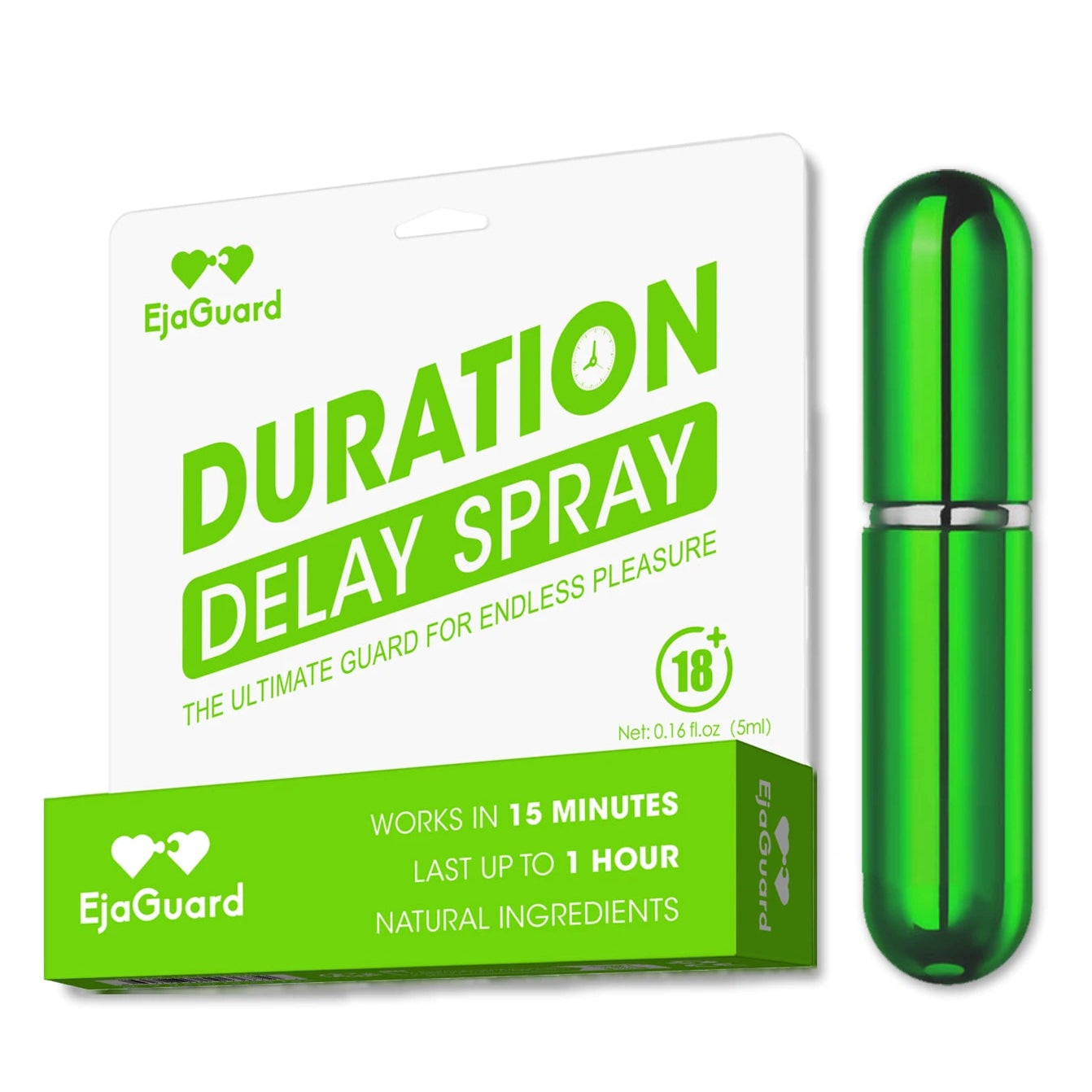
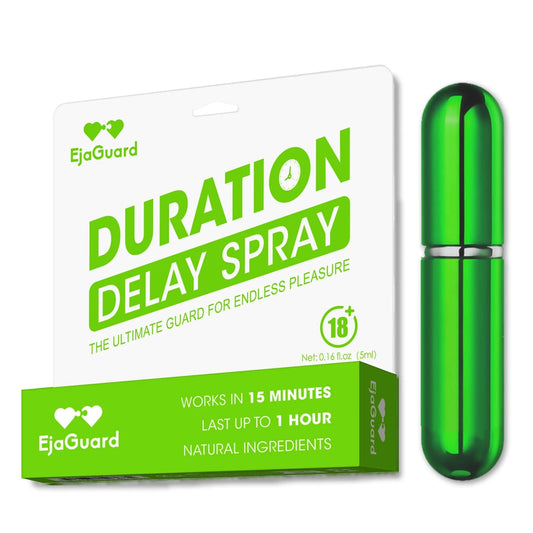
Some men prefer milder products because they want to manage sensitivity without losing too much sensation. EjaGuard is positioned as a herbal, sensation-conscious delay spray option for adults exploring this type of approach.
As with any topical product, users should read the instructions carefully, follow the recommended application amount and waiting period, and consider their partner's safety. A product's ingredients and directions matter more than broad assumptions about whether all herbal or topical sprays work in the same way.
You can learn more about EjaGuard delay spray and review the guide to using delay spray before deciding whether a topical option is appropriate.
The most useful approach is often a combination of strategies that address different aspects of sexual health. Healthy eating may support long-term physical well-being, while behavioral methods or appropriate treatments may address ejaculation control more directly.
When Should You Seek Professional Advice?
Dietary changes are generally a reasonable part of maintaining health, but persistent sexual difficulties deserve proper attention.
Consider speaking with a healthcare professional if:
-
You regularly ejaculate sooner than desired and feel unable to control it.
-
The problem has appeared recently after a period of satisfactory sexual function.
-
You experience PE alongside erectile difficulties.
-
You have symptoms of diabetes, high blood pressure, or other metabolic conditions.
-
You experience urinary symptoms, pelvic discomfort, or other unusual changes.
-
You are considering supplements or medications for sexual performance.
-
The issue is causing significant distress or affecting your relationship.
A healthcare professional can help determine whether the symptoms are consistent with PE and whether other health conditions may be contributing.
If you have concerns about blood sugar, cholesterol, or blood pressure, appropriate testing may also be useful.
It is important not to self-diagnose a nutritional deficiency based on sexual symptoms alone. A person with PE does not automatically need zinc, magnesium, testosterone boosters, or other supplements.
The American Urological Association and Sexual Medicine Society of North America's guideline on disorders of ejaculation provides clinical context for evaluating and managing ejaculation-related concerns.
A Practical Approach to Nutrition and Ejaculation Control
So, can your diet affect premature ejaculation?
The current evidence does not establish that specific foods or dietary supplements can directly prevent or treat PE. However, nutrition can influence several aspects of general male health, including cardiovascular function, metabolic health, body weight, and energy balance.
These factors matter because sexual health is connected to the overall condition of the body.
A balanced eating pattern that includes vegetables, fruits, whole grains, healthy fats, and varied protein sources can support long-term well-being. Managing blood sugar, cholesterol, and blood pressure is also important, particularly for men with existing health risks.
At the same time, it is important to maintain realistic expectations. Eating a certain food will not guarantee better ejaculation control, and taking supplements without a clear need may provide little benefit.
For men experiencing persistent PE, nutrition should be one part of a broader approach that may include behavioral techniques, professional guidance, medication, or suitable topical products.
Ultimately, improving sexual health is not about finding one magic food or supplement. It is about understanding the different factors that influence the body and making practical changes that support long-term health, confidence, and a more satisfying sex life.

