

 Buy Now

Does Porn Use Cause Premature Ejaculation? Understanding the Evidence, Expectations, and Individual Differences

Pornography and sexual performance are often discussed together, especially in online conversations about premature ejaculation (PE). Some men believe watching pornography has made them more likely to ejaculate quickly, while others report no noticeable connection. Still others worry that their expectations about sex have been shaped by what they see on screen.
So, does watching pornography actually cause premature ejaculation?
The answer is more complicated than a simple yes or no. Research has explored associations between pornography use and different aspects of sexual function, but the evidence does not establish that pornography directly causes PE. Individual experiences can also differ depending on arousal, anxiety, sexual expectations, masturbation habits, relationship dynamics, and other factors.
Understanding these distinctions matters because blaming a single habit can distract from the factors that actually contribute to an individual's difficulties. It can also create unnecessary guilt or encourage people to make changes that may not address their concerns.
This article examines what research can tell us about pornography and ejaculation control, how sexual expectations may influence the experience of PE, and what practical steps may help men better understand their own sexual responses.

Table of Contents
-
What Is Premature Ejaculation?
-
What Does Research Say About Pornography and PE?
-
Why Do Some Men Believe Pornography Affects Ejaculation?
-
Can Unrealistic Sexual Expectations Increase Performance Pressure?
-
Does Pornography Affect Everyone in the Same Way?
-
Pornography, Masturbation, and Partnered Sex: Understanding the Differences
-
How to Recognize Whether a Habit Is Affecting Your Sexual Well-Being
-
Practical Ways to Improve Ejaculation Control
-
Where Do Delay Sprays Fit Into PE Management?
-
When Should You Seek Professional Advice?
-
A Balanced Perspective on Pornography and PE
1. What Is Premature Ejaculation?
Premature ejaculation is a sexual concern involving difficulty delaying ejaculation, often accompanied by reduced perceived control and distress. Although ejaculation timing is frequently discussed in terms of minutes, duration alone does not fully describe the condition.
Clinical definitions generally consider several factors, including how quickly ejaculation occurs, whether the person can delay it, how consistently the problem happens, and whether it causes significant personal or relationship difficulties. The distinction between lifelong PE, which has been present since a person's early sexual experiences, and acquired PE, which develops after a period of more satisfactory control, can also help guide evaluation.
The American Urological Association and Sexual Medicine Society of North America guidelines explain why medical and sexual history, perceived control, and associated distress are important parts of assessing ejaculation difficulties.
This broader definition is important when discussing pornography. A man may occasionally ejaculate sooner than he intended after becoming highly aroused, but that does not automatically mean he has PE. Another man may consistently struggle to delay ejaculation and feel considerable distress even when the duration varies from one encounter to another.
If someone assumes that every short sexual encounter is evidence of a disorder, the concern itself may become a source of pressure. Understanding the difference between occasional variation and a persistent problem is therefore a useful starting point before attributing symptoms to any particular habit.
For a more detailed explanation of the factors clinicians consider, see EjaGuard's guide to how premature ejaculation is diagnosed and why it involves more than a stopwatch.

2. What Does Research Say About Pornography and PE?
Scientific research has examined pornography use in relation to sexual satisfaction, desire, erectile function, and other aspects of sexual health. However, these outcomes are not interchangeable, and findings about one sexual difficulty cannot automatically be applied to another.
An important limitation is that many studies are observational. Researchers may ask participants how frequently they use pornography and whether they experience sexual difficulties, then examine whether the two are associated. Such a study can identify a pattern, but it generally cannot establish which factor came first or whether one caused the other.
A review published in the Journal of Clinical Medicine, available through PubMed Central, examined observational studies on pornography use and sexual dysfunction. The authors highlighted limitations in the available evidence and the difficulty of establishing causal relationships from the studies reviewed.
This does not mean pornography can never be relevant to an individual's sexual experience. It means that a personal experience, an association in a study, and a demonstrated cause are three different things.
For example, a man might notice that his ejaculation timing changes during a period when his pornography habits also change. That observation may be worth exploring, but other variables could have changed at the same time, including stress, sleep, relationship circumstances, sexual frequency, or anxiety.
The reverse is also possible: someone may use pornography regularly without experiencing any meaningful difficulty with ejaculation control. Frequency of use alone is not enough to determine whether a particular person has a sexual health problem.
Current evidence therefore does not justify the blanket claim that pornography causes PE in men generally. It also does not mean every possible relationship between pornography habits and sexual experience has been fully investigated.

3. Why Do Some Men Believe Pornography Affects Ejaculation?
There are several reasons a person might connect pornography use with changes in ejaculation timing. Some relate to how sexual arousal develops, while others involve expectations, personal interpretations, or differences between solo and partnered sexual activity.
One possibility is that a person notices a recurring pattern in their own behavior. For instance, they may feel that they become highly aroused quickly after viewing certain material, or they may find that their level of excitement differs between masturbation and sex with a partner. These experiences can feel significant even when the underlying explanation is uncertain.
The European Association of Urology's guidance on ejaculation disorders emphasizes that PE can involve multiple contributing factors and that assessment should take account of sexual history, psychological factors, and the circumstances in which symptoms occur.
Another possibility is that people interpret their experiences through information encountered online. If someone repeatedly reads that pornography damages sexual performance, they may begin to monitor their own reactions for signs that the claim is true. Normal variation can then become more concerning than it would otherwise have been.
Expectations can also shape how people evaluate their sexual experiences. Someone who expects to last for a particular length of time may feel disappointed even when their experience falls within a broad range of normal variation.
These possibilities do not prove that pornography is harmless in every circumstance or harmful in every circumstance. They illustrate why it is useful to examine a person's actual symptoms, habits, and concerns rather than relying on a universal explanation.

4. Can Unrealistic Sexual Expectations Increase Performance Pressure?
Pornography is produced for entertainment, and the situations shown on screen are not reliable measures of typical sexual experiences. Scenes may be edited, performers may work under specific production conditions, and the apparent duration or spontaneity of an encounter may not reflect what happens in everyday life.
When viewers treat these portrayals as standards they must meet, they may develop expectations that are difficult to reconcile with real sexual experiences. They might believe they should maintain a particular level of arousal, perform without pauses, or delay ejaculation for a specific amount of time.
The University of California, San Francisco's overview of ejaculatory and orgasmic disorders notes that some men may misunderstand their own ejaculation timing because of popular cultural expectations or sexually explicit media. It also emphasizes that normal experiences vary considerably.
Performance pressure can make a person focus excessively on whether they are doing well. During sex, attention may shift away from pleasurable sensations and communication toward questions such as, "Am I going to finish too soon?" or "Will my partner think something is wrong?"
For some people, this pressure may contribute to anxiety and make sexual experiences less comfortable. However, it would be inaccurate to conclude that anxiety always causes PE or that pornography is necessarily responsible for the anxiety.
The relationship can run in either direction. A person who already struggles with ejaculation control may seek out pornography for reassurance or comparison, then become more concerned after comparing themselves with unrealistic portrayals. In this situation, pornography may be part of the context surrounding the concern without being its original cause.
A useful goal is to replace performance-based expectations with more realistic measures of sexual well-being, including comfort, communication, mutual satisfaction, and the ability to respond flexibly to changing arousal.

5. Does Pornography Affect Everyone in the Same Way?
No single pattern applies to everyone. People differ in their motivations for viewing pornography, their emotional responses to it, their sexual experiences, and the circumstances in which they use it.
Some people view pornography occasionally without noticing any effect on their sexual lives. Others may find that certain habits interfere with sleep, concentration, relationships, or their ability to manage time. Still others may experience distress because their behavior conflicts with personal values, even when the frequency of use is not particularly high.
A 2024 review of pornography consumption and sexual performance in young men, published in the International Journal of Urological Nursing, discusses possible biological, psychological, and social factors. However, reviews of this kind should not be interpreted as proving that pornography causes a particular sexual dysfunction in every user. The available evidence and the methods used in individual studies matter.
The broader lesson is that a person's experience cannot be predicted simply from whether they watch pornography or how often they do so. The relevant question is whether a particular pattern is associated with meaningful difficulties in that person's life.
For men concerned about ejaculation control, it may be helpful to look at the overall picture rather than focusing on one behavior. Consider whether the concern appears in most sexual situations or only occasionally, whether it began recently, and whether there are changes in anxiety, erection quality, relationship circumstances, or general health.
This approach is consistent with the principles discussed in EjaGuard's article on why delay spray results can feel inconsistent: sexual experiences can vary because multiple factors interact, and a single explanation may not account for every outcome.

6. Pornography, Masturbation, and Partnered Sex: Understanding the Differences
Pornography use and masturbation are related for some people, but they are not the same behavior. A person may masturbate without pornography, view pornography without masturbating, or engage in both in different ways. Treating these experiences as one variable can make it harder to understand what is actually happening.
Solo sexual activity also differs from partnered sex in several practical ways. During masturbation, a person usually controls the pace, pressure, rhythm, and duration of stimulation. They can change position, pause, or finish whenever they choose. Partnered activity involves another person's responses, communication, movement, and preferences.
These differences mean that ejaculation timing during masturbation does not necessarily predict timing during partnered sex. A man who ejaculates quickly during one type of stimulation may have a different experience during another. Conversely, someone who can delay ejaculation easily while alone may find partnered sex more challenging.
The International Society for Sexual Medicine's educational resources provide general information about sexual health concerns and the factors that can influence individual sexual experiences. When a problem is persistent or distressing, a clinician can help determine whether it reflects PE or another concern.
It is also important to avoid assuming that a particular masturbation technique has permanently damaged sexual function. Research on sexual habits and ejaculation difficulties is not sufficient to support sweeping claims that ordinary masturbation causes PE. Specific habits may be worth discussing when they appear closely connected to an individual's difficulties, but they should be evaluated without unnecessary blame.
A practical approach is to notice whether ejaculation control differs across situations without treating every difference as a medical problem. If the contrast is persistent and troubling, recording the circumstances in a simple, nonjudgmental way may help identify patterns worth discussing with a professional.

7. How to Recognize Whether a Habit Is Affecting Your Sexual Well-Being
If you suspect that pornography use is affecting your sexual experience, you do not need to begin by labeling the habit as good or bad. Start by identifying the specific concern you want to understand.
For example, are you worried about ejaculating sooner than intended, feeling anxious during partnered sex, having difficulty becoming aroused without a particular type of stimulation, or spending more time viewing pornography than you would like? These are different concerns and may require different responses.
The distinction matters because a general decision to stop watching pornography may not address the underlying issue. If the primary problem is persistent PE, it may still require assessment and treatment. If the concern is that a habit is interfering with sleep or relationships, changing that habit may be useful regardless of whether it has any direct effect on ejaculation.
A short period of self-observation can help. Rather than recording every detail of a sexual encounter, consider noting broad patterns: whether the problem occurs consistently, whether anxiety is present, whether it differs between situations, and whether there have been recent changes in health or relationships.
Try not to turn the process into a daily test of sexual performance. Repeatedly measuring yourself can increase pressure and make normal fluctuations seem more significant than they are.
If you decide to change your pornography habits, choose a realistic approach that fits your goals. You might reduce use, change the situations in which you use it, or take a temporary break to see whether you notice a meaningful difference. This can be a personal experiment, but it is not a scientifically established treatment for PE.
The EAU guidance on ejaculation disorders supports individualized evaluation and treatment rather than assuming that every person with ejaculation difficulties has the same underlying cause.

8. Practical Ways to Improve Ejaculation Control
Whether pornography is relevant to an individual's experience or not, there are several approaches that may help address persistent ejaculation difficulties. The best choice depends on the symptoms, the level of distress, and the person's medical and sexual history.
Develop awareness of rising arousal
Some men find it useful to recognize changes in arousal before ejaculation feels inevitable. This does not mean monitoring every sensation continuously. Instead, the aim is to become more familiar with changes in excitement and to learn when a pause or change in stimulation may be helpful.
The stop-start technique is one example. Stimulation is paused as arousal approaches the point at which ejaculation feels difficult to delay, then resumed when the urge has decreased. Some people practice this independently; others prefer guidance from a qualified sexual health professional.
These techniques may help some individuals, but they are not guaranteed to work for everyone. Evidence for behavioral approaches varies, and persistent PE may benefit from a combination of approaches.
Reduce unnecessary performance pressure
If thoughts about duration or comparison interfere with sexual enjoyment, consider changing the goal from achieving a specific number of minutes to improving comfort and perceived control. Taking breaks, communicating openly, and allowing sexual activity to progress without a rigid script may help reduce pressure.
This is not the same as suggesting that PE is simply a psychological problem. Anxiety can be one contributor, but biological, medical, and interpersonal factors may also be relevant.
Consider professional support
A healthcare professional can help distinguish lifelong PE from a problem that developed more recently and assess whether other factors need attention. Depending on the situation, treatment may include behavioral strategies, counseling, medication, topical products, or a combination of approaches.
The AUA/SMSNA guideline on ejaculation disorders emphasizes individualized assessment and shared decision-making when selecting treatment. This is especially important when symptoms are persistent, distressing, or accompanied by other sexual or urinary problems.
Be cautious with extreme online advice
Claims that a person must quit pornography completely, follow a rigid abstinence schedule, or use a particular supplement to regain control should be treated cautiously. Such claims may not be supported by good clinical evidence and may increase guilt without providing an effective solution.
A more useful strategy is to identify the actual difficulty, make reasonable adjustments, and evaluate whether those changes improve the experience over time.
9. Where Do Delay Sprays Fit Into PE Management?
Delay sprays are one option some men consider when they want help managing ejaculation timing. Their effects depend on the formulation and active ingredients. Topical anesthetics, such as lidocaine or prilocaine, reduce sensation in the treated area and may help some men delay ejaculation.
However, a delay spray does not directly address unrealistic sexual expectations, relationship concerns, or every possible contributor to PE. If anxiety or other factors are part of the problem, a spray may be only one component of a broader approach.
The European Association of Urology's ejaculation-disorder guidelines discuss topical anesthetics among established treatment options for lifelong PE. Product formulations differ, and potential effects such as excessive numbness, irritation, or transfer to a partner need to be considered.
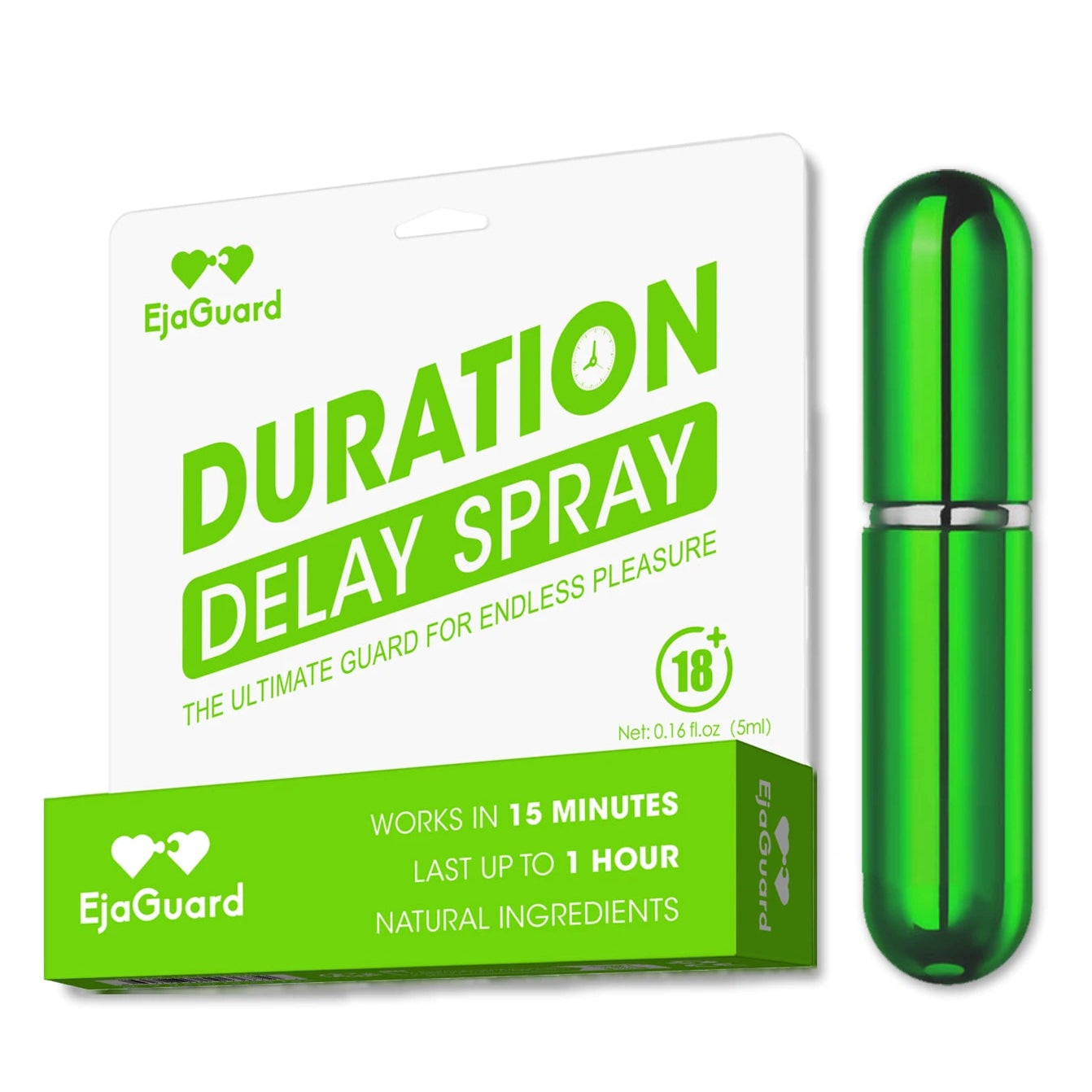
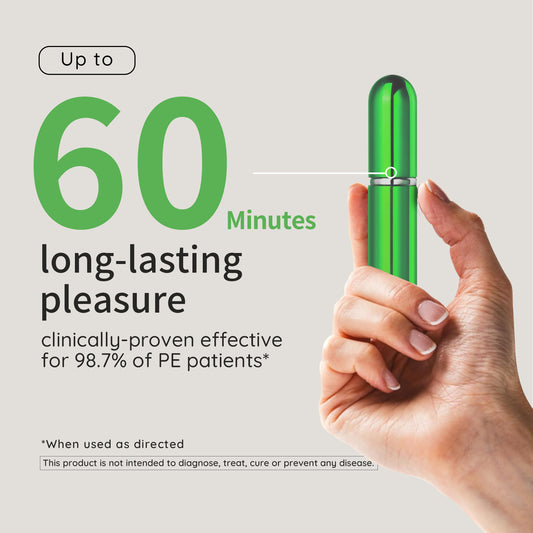
For men who prefer a milder-feeling product, EjaGuard is marketed as a delay spray intended to support ejaculation control while preserving a more natural sensation. Its official product page provides product-specific information. Individual responses can vary, so users should follow the product instructions and avoid assuming that one formulation will suit everyone.
It is also important to keep expectations realistic. A topical product may help with timing, but it should not be presented as proof that pornography has caused a problem or as a guaranteed solution for PE. If symptoms are persistent, suddenly develop after a period of normal function, or occur alongside pain or erection difficulties, professional assessment is appropriate.
The aim of PE management is not to eliminate every sexual sensation or meet an unrealistic performance standard. It is to find an approach that supports comfortable, satisfying sexual activity and a greater sense of control.

10. When Should You Seek Professional Advice?
Consider speaking with a healthcare professional if you consistently struggle to delay ejaculation and the problem causes distress, affects your relationships, or leads you to avoid sexual activity. You do not need to prove that pornography is responsible before seeking help.
It is particularly important to arrange an assessment if ejaculation difficulties begin suddenly after a period of satisfactory control, or if they occur alongside erection problems, genital pain, urinary symptoms, or other noticeable health changes. These symptoms may point to factors that deserve specific evaluation.
A clinician may ask about the timing of the problem, sexual history, medications, general health, psychological well-being, and relationship circumstances. The purpose is not to judge personal habits but to understand the pattern and identify appropriate options.
You can also mention concerns about pornography use if you believe they are relevant. Being open about your habits and worries can help the clinician understand your experience, but you should not feel obligated to adopt a particular explanation before the assessment.
If anxiety, compulsive behavior, or relationship conflict is causing substantial distress, a mental health professional or sex therapist with relevant experience may also be helpful. Professional support can be considered alongside medical care rather than as an alternative to it.
Most importantly, avoid self-diagnosing based on a single online article or comparison with pornography. Sexual function varies, and a careful evaluation is more useful than trying to match your experience to an idealized standard.

11. A Balanced Perspective on Pornography and PE
The relationship between pornography and premature ejaculation is not straightforward. Current evidence does not establish pornography as a universal cause of PE, and individual experiences cannot be explained by viewing habits alone.
For some people, sexual expectations, anxiety, or particular habits may be relevant to their concerns. For others, pornography use may have little noticeable connection to ejaculation timing. Medical history, arousal patterns, relationship circumstances, and individual differences can all matter.
Rather than assuming that a single habit is responsible, focus on the specific problem you want to address. Notice whether the difficulty is persistent, whether it occurs across different situations, and whether it is accompanied by distress or other symptoms. If the problem continues to affect your life, seek professional advice instead of relying on blame or extreme online recommendations.
For men considering delay sprays, products such as EjaGuard may be one option to explore as part of a broader approach to ejaculation control. The decision should be based on individual needs, accurate product information, realistic expectations, and appropriate use.
Ultimately, healthy sexual function is not defined by copying what appears on a screen or achieving a particular duration. A more useful goal is to understand your own responses, reduce unnecessary pressure, and find an approach that supports control, comfort, communication, and sexual satisfaction.

