

 Buy Now

Latexfreie Kondome: Sicherer, bequemer Schutz für empfindliche Haut

Was sind latexfreie Kondome?

Latexfreie Kondome sind Kondome, die ohne Naturkautschuklatex hergestellt werden.
Herkömmliche Kondome verwenden Latex von Gummibäumen. Obwohl wirksam, kann Latex bei manchen Menschen Reizungen oder allergische Reaktionen hervorrufen.
Nicht-Latex-Kondome verwenden alternative Materialien wie:
-
Polyurethan
-
Polyisopren
-
Natürliche Membran
Diese Materialien bieten bei korrekter Anwendung Schutz vor Schwangerschaft und sexuell übertragbaren Krankheiten.
Wenn Sie nach dem Geschlechtsverkehr Brennen, Juckreiz oder Rötungen verspüren, kann der Wechsel zu latexfreien Kondomen helfen.
Komfortsteigernde Produkte wie EjaGuard Gleitmittel auf Wasserbasis können auch die Reibung reduzieren und die allgemeine Intimität verbessern.
Warum latexfreie Kondome wählen?
Es gibt drei Hauptgründe, warum Menschen latexfreie Kondome wählen:
1️⃣ Latexallergie
Manche Menschen entwickeln eine Immunreaktion auf Latexproteine. Dies kann während oder nach dem Geschlechtsverkehr zu Unbehagen führen.
2️⃣ Empfindliche Haut
Auch ohne eine echte Allergie haben manche Menschen eine Hautempfindlichkeit. Nicht-Latex-Kondome können sich sanfter anfühlen und weniger austrocknend wirken.
Die Verwendung eines hochwertigen Gleitmittels wie EjaGuard Gleitmittel auf Wasserbasis kann den Komfort für empfindliche Haut weiter verbessern.
3️⃣ Geruchspräferenz
Latex hat einen ausgeprägten Geruch. Polyurethan-Kondome sind nahezu geruchlos.
Für Paare, denen Komfort und Verbundenheit wichtig sind, zählen kleine Details. Das richtige Kondom kann die Intimität natürlicher erscheinen lassen.
Anzeichen einer Latexallergie
Symptome einer Latexallergie können sein:
-
Juckreiz
-
Rötungen
-
Schwellungen
-
Hautausschlag
-
Brennendes Gefühl
-
Nesselausschlag
Die Symptome können Minuten oder Stunden später auftreten.
Bei Atemproblemen oder starken Schwellungen suchen Sie sofort ärztliche Hilfe auf.
Bei leichter Reizung ist der Wechsel zu latexfreien Kondomen oft die einfachste Lösung.
Arten latexfreier Kondome
Nicht alle Nicht-Latex-Kondome sind gleich. Das Verständnis der Materialien hilft Ihnen, klug zu wählen.
🧴 1. Polyurethan-Kondome
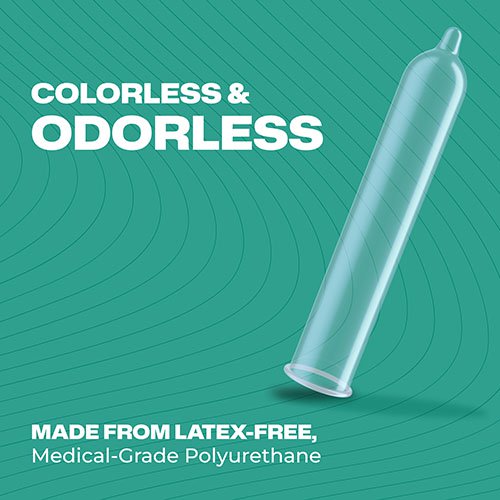
Polyurethan ist eine Art Kunststoff.
Vorteile:
-
Sehr dünn
-
Wärmeübertragung gut
-
Kompatibel mit allen Gleitmitteln
-
Gut bei Latexallergie
Überlegungen:
-
Etwas weniger dehnbar als Latex
-
Kann anders passen
Viele Menschen mögen Polyurethan-Kondome, weil sie sich näher am Hautkontakt anfühlen.
2. Polyisopren-Kondome

Polyisopren ist synthetischer Kautschuk. Es enthält keine natürlichen Latexproteine.
Vorteile:
-
Weicher und dehnbarer als Polyurethan
-
Fühlt sich ähnlich wie Latex an
-
Angenehm für empfindliche Haut
Überlegungen:
-
Nicht kompatibel mit Gleitmitteln auf Ölbasis
Für viele Benutzer fühlen sich Polyisopren-Kondome am meisten wie traditionelles Latex an, aber ohne Reizung.
🐑 3. Kondome aus Naturmembran
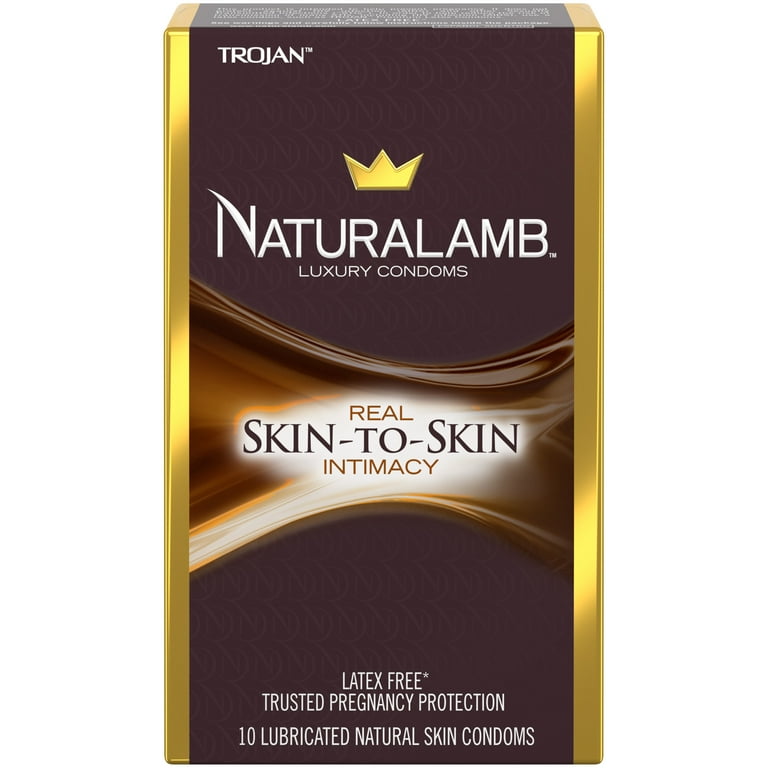
Oft als Lamellenkondome bezeichnet.
Wichtig: Diese verhindern eine Schwangerschaft, schützen aber NICHT vor sexuell übertragbaren Krankheiten.
Sie ermöglichen kleine Poren, die Spermien, aber keine Viren blockieren.
Für den Schutz vor sexuell übertragbaren Krankheiten sind latexfreie Kondome aus Polyurethan oder Polyisopren die bessere Wahl.
Polyurethan- vs. Polyisopren-Kondome: Was ist besser?
Beide sind starke Alternativen zu Latex.
Hier ist ein schneller Vergleich:
| Merkmal | Polyurethan | Polyisopren |
|---|---|---|
| Dehnbarkeit | Gering | Hoch |
| Gefühl | Sehr dünn | Weich, flexibel |
| Gleitmittel-Kompatibilität | Alle Typen | Nur Wasser oder Silikon |
| Allergikerfreundlich | Ja | Ja |
Wenn Sie ultradünn und Wärmeübertragung wünschen, wählen Sie Polyurethan.
Wenn Sie Komfort und Dehnbarkeit wünschen, wählen Sie Polyisopren.
Es gibt keine einzige beste Option. Ihr Körper entscheidet.
Sind latexfreie Kondome wirksam?

Ja.
Latexfreie Kondome sind wirksam bei der Verhütung von Schwangerschaft und sexuell übertragbaren Krankheiten, wenn sie richtig angewendet werden.
Wie bei Latexkondomen hängt die Wirksamkeit ab von:
-
Korrekte Lagerung
-
Korrekte Größe
-
Sorgfältige Anwendung
-
Konsequente Anwendung
Kein Kondom ist zu 100 Prozent wirksam. Aber bei korrekter Anwendung bieten sie einen starken Schutz.
Die Kombination von Kondomen mit Gleitmittel auf Wasserbasis reduziert die Reibung und das Bruchrisiko.
Die Kombination von Kondomen mit Gleitmitteln auf Wasserbasis reduziert die Reibung und das Bruchrisiko.
Für Männer, die an ihrer Ausdauer arbeiten, kann die Kombination von Kondomen mit EjaGuard Verzögerungsspray dazu beitragen, das Vergnügen zu verlängern und gleichzeitig geschützt zu bleiben.
Beste latexfreie Kondome für empfindliche Haut
Beim Kauf der besten latexfreien Kondome achten Sie auf:
-
Klare Materialkennzeichnung
-
Hypoallergene Angaben
-
Minimale Zusatzchemikalien
-
Dünnes, aber haltbares Design
Für empfindliche Haut vermeiden Sie:
-
Starke Duftstoffe
-
Spermizide Beschichtungen
-
Extra wärmende oder kribbelnde Zusatzstoffe
Einfache Formeln sind oft am besten.
Bei Trockenheit kann die Zugabe von EjaGuard Gleitmittel auf Wasserbasis den Komfort verbessern und Reizungen reduzieren.
Bei Trockenheit kann die Zugabe von EjaGuard Gleitmittel auf Wasserbasis den Komfort verbessern und Reizungen reduzieren.
Fühlen sich latexfreie Kondome anders an?
Ja, aber oft auf eine gute Weise.
Viele Menschen sagen, dass sich latexfreie Kondome anfühlen:
-
Weniger einengend
-
Natürlicher
-
Wärmer
-
Dünner
Polyurethan leitet Wärme gut. Polyisopren dehnt sich natürlich.
Für Männer, die Angst vor Gefühlsverlust haben, können dünnere, nicht-latexfreie Kondome tatsächlich besser als Standardlatex sein.
Komfort zählt. Wenn Sie sich entspannt fühlen, verbessert sich die Leistung.
So wählen Sie die richtigen latexfreien Kondome
Befolgen Sie diese einfachen Schritte:
1️⃣ Bestätigen Sie, ob Sie eine echte Latexallergie oder eine leichte Empfindlichkeit haben.
2️⃣ Entscheiden Sie sich zwischen Polyurethan und Polyisopren.
3️⃣ Überprüfen Sie die Kompatibilität mit Gleitmitteln.
4️⃣ Wählen Sie die richtige Größe.
5️⃣ Testen Sie verschiedene Marken, bis Sie die richtige gefunden haben.
Sexuelles Wohlbefinden ist eine persönliche Angelegenheit. Was für den einen funktioniert, muss für den anderen nicht funktionieren.
Für Paare, die auf natürliche, sichere Intimität Wert legen, unterstützt die Kombination von latexfreien Kondomen mit EjaGuards sanften Lösungen sowohl Komfort als auch Vertrauen.
Häufig gestellte Fragen zu latexfreien Kondomen
Sind latexfreie Kondome sicher?
Ja. Kondome aus Polyurethan und Polyisopren sind sicher und von der FDA für die Schwangerschafts- und STI-Prävention zugelassen, wenn sie richtig angewendet werden.
Verhindern latexfreie Kondome eine Schwangerschaft?
Ja. Sie blockieren Spermien genau wie Latexkondome.
Sind latexfreie Kondome gut für empfindliche Haut?
Ja. Sie sind ideal für Menschen, die Reizungen durch Latex erfahren.
Sind Polyurethan-Kondome dünner?
Oft ja. Viele Polyurethan-Kondome sind dünner und leiten Wärme gut.
Sind latexfreie Kondome teurer?
Sie können aufgrund von Materialunterschieden etwas mehr kosten.
Fazit
Wenn herkömmliche Kondome Irritationen verursachen, müssen Sie nicht unter Unbehagen leiden.
Latexfreie Kondome bieten zuverlässigen Schutz und unterstützen empfindliche Haut und Latexallergien.
Von Polyurethan bis Polyisopren haben Sie Optionen. Der Schlüssel ist, die richtige Balance aus Komfort, Sicherheit und Empfindung zu finden.
