

 Buy Now

Hat Minoxidil sexuelle Nebenwirkungen?

Was ist Minoxidil?

Minoxidil, bekannt unter dem Markennamen Rogaine , ist ein topisches Mittel gegen Haarausfall. Es ist von der FDA zugelassen und wird von Männern und Frauen gleichermaßen zur Behandlung von androgenetischer Alopezie (erblich bedingtem Haarausfall) eingesetzt. Es wirkt, indem es die Blutgefäße erweitert und die Haarfollikel stimuliert, um das Haarwachstum anzuregen. Entdecken Sie natürliche Alternativen wie die Penisvergrößerungscreme von EjaGuard , die die Durchblutung und Geweberegeneration ohne systemische Medikamente fördert.
Doch obwohl es für seine haarwuchsfördernde Wirkung gelobt wird, mehren sich die Bedenken hinsichtlich der sexuellen Nebenwirkungen von Minoxidil .
Verursacht Minoxidil sexuelle Nebenwirkungen?

Kommen wir gleich zur Sache – hat Minoxidil Auswirkungen auf Ihr Sexualleben ?
Einige Männer berichten von Problemen wie:
-
Verminderte Libido
-
Erektile Dysfunktion (ED)
-
Schwierigkeiten, einen Orgasmus zu erreichen
-
Verminderte sexuelle Ausdauer
Obwohl diese Nebenwirkungen nicht offiziell auf dem Produktetikett aufgeführt sind, ist die Anzahl der Beschwerden im Internet kaum zu ignorieren.
Viele dieser Berichte stammen von Anwendern von topischem Minoxidil , nicht von Anwendern der oralen Variante. Das ist wichtig, da topische Anwendungen lokal wirken sollen – das heißt aber nicht, dass sie keine systemischen Auswirkungen haben können.
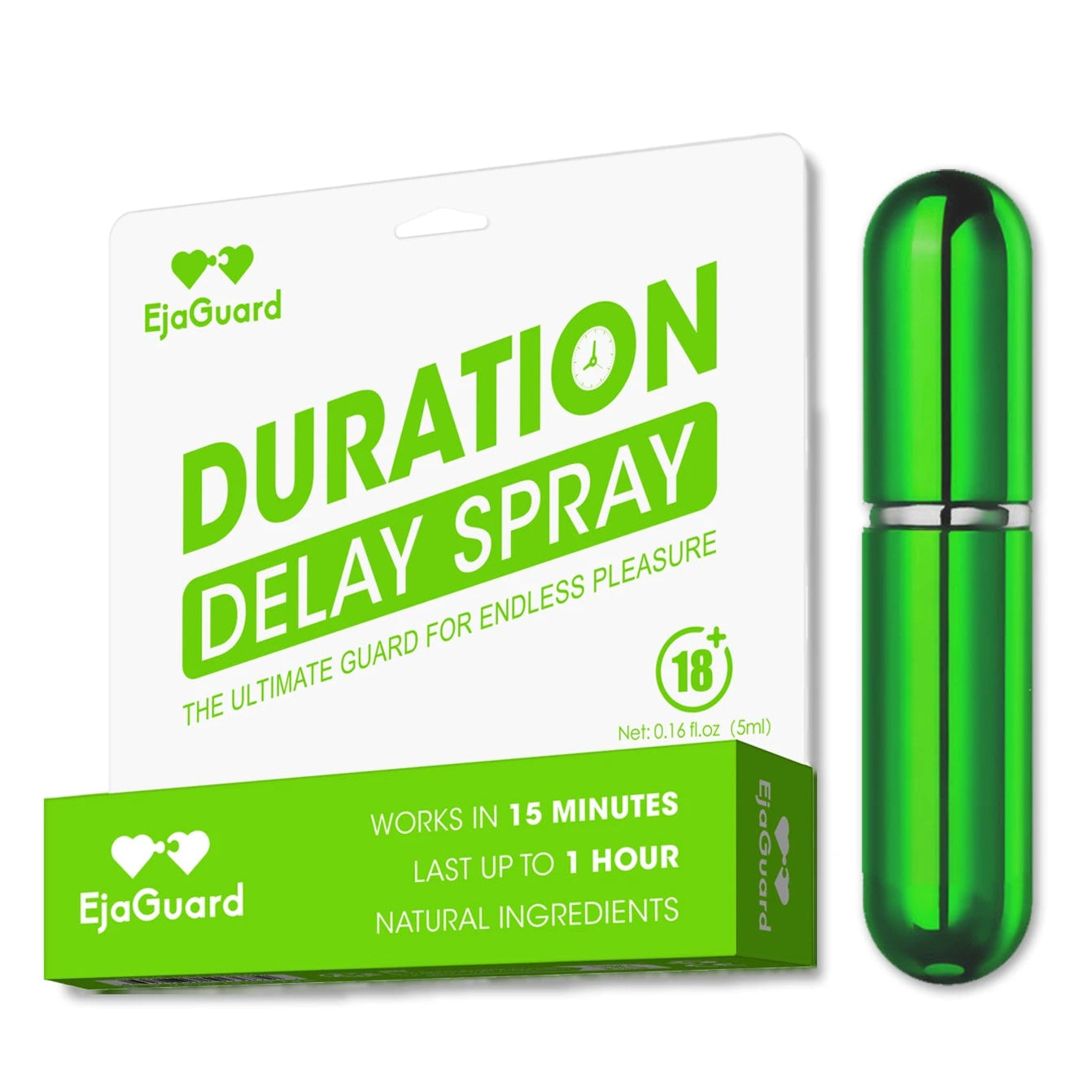
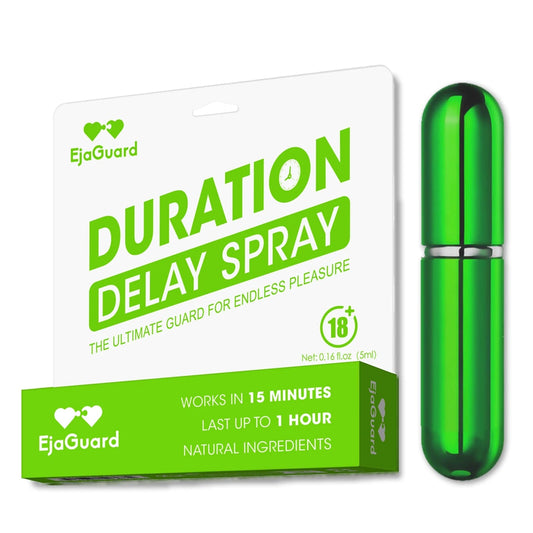
Für Männer, die ihre sexuelle Leistungsfähigkeit auf natürliche Weise steigern möchten: EjaGuard Verzögerungsspray bietet gezielte Steuerung ohne Veränderung des Hormonspiegels.
Wissenschaftliche Forschung: Was sagen Studien?

Bislang konnte die Wissenschaft keinen eindeutigen Zusammenhang zwischen Minoxidil und sexuellen Nebenwirkungen bestätigen . Der Haken dabei ist jedoch, dass sich die meisten klinischen Studien auf das Haarwachstum und nicht auf die sexuelle Gesundheit konzentrieren.
Einige kleinere Studien deuten darauf hin, dass orales Minoxidil , das eine stärkere systemische Wirkung hat, den Blutdruck und hormonelle Funktionen beeinflussen könnte. Topisches Minoxidil hingegen wird vermutlich nur minimal systemisch aufgenommen – typischerweise zu weniger als 2 %.
Allerdings reagieren Menschen unterschiedlich. Nur weil Studien einen Zusammenhang noch nicht bestätigt haben, heißt das nicht, dass er für eine kleine Gruppe von Nutzern nicht existiert.
Wie könnte Minoxidil Hormone oder die Libido beeinflussen?

Eine gängige Theorie besagt, dass Minoxidil indirekt auf Hormone einwirken kann , insbesondere auf DHT (Dihydrotestosteron) und Testosteron. Diese Hormone spielen eine Schlüsselrolle sowohl beim Haarausfall als auch bei der sexuellen Funktion.
Obwohl Minoxidil DHT nicht direkt blockiert , vermuten einige, dass eine Veränderung der Durchblutung oder eine Beeinträchtigung der Kopfhautenzyme das hormonelle Gleichgewicht bei empfindlichen Personen stören könnte.
Es gibt auch Spekulationen darüber, dass Minoxidil in den Blutkreislauf gelangt und möglicherweise das zentrale Nervensystem beeinflusst, was Auswirkungen auf die sexuelle Erregung oder Funktion haben könnte.
Dies ist zwar nicht wissenschaftlich bewiesen , aber eine Hypothese, die mit einigen Nutzererfahrungen übereinstimmt.
Für diejenigen, die hormonelle Störungen vermeiden möchten, bietet EjaGuard Gleitmittel an. kann die Intimität steigern, ohne in den Hormonhaushalt einzugreifen.
Echte Nutzererfahrungen & Foren

Dutzende Männer haben auf Reddit, in Foren zum Thema Haarausfall und in YouTube-Videos über einen spürbaren Rückgang der Libido nach Beginn der Minoxidil-Anwendung berichtet.
Manche beschreiben es so:
-
„Vorher war alles in Ordnung. Doch ein paar Wochen nach der Anwendung von Rogaine sank meine Libido rapide.“
-
„Ich habe es abgesetzt und innerhalb von zwei Wochen fühlte ich mich wieder normal.“
Andere berichten von Symptomen wie Konzentrationsschwierigkeiten , Müdigkeit und Angstzuständen – allesamt Faktoren, die sich wiederum negativ auf die sexuelle Gesundheit auswirken können.
Interessanterweise normalisierte sich ihre sexuelle Leistungsfähigkeit oft wieder, nachdem sie Minoxidil abgesetzt hatten. Dies deutet auf einen möglichen Zusammenhang hin, auch wenn dieser wissenschaftlich noch nicht bestätigt wurde.
Diese Symptome, die sich mit allgemeinen Problemen der sexuellen Gesundheit überschneiden können, lassen sich möglicherweise auch durch Änderungen des Lebensstils oder natürliche Hilfsmittel wie EjaGuard Orgasm Gels behandeln , die entwickelt wurden, um Lust und Empfindsamkeit wiederzuerwecken.
Wie man diese Nebenwirkungen behandelt oder vermeidet

Wenn Sie sich Sorgen wegen der sexuellen Nebenwirkungen von Minoxidil machen, können Sie Folgendes tun:
1. Beginnen Sie mit einer niedrigeren Dosis.
Versuchen Sie, das Produkt seltener anzuwenden (einmal täglich statt zweimal) und beobachten Sie etwaige Veränderungen.
2. Auf Schaumstoff umsteigen
Minoxidil-Schaum enthält weniger Alkohol und Propylenglykol , was die Aufnahme durch die Haut und mögliche Nebenwirkungen verringern könnte.
3. Beobachte deinen Körper
Wenn Sie Veränderungen Ihrer sexuellen Leistungsfähigkeit , Müdigkeit oder Konzentrationsschwierigkeiten bemerken, sollten Sie eine mehrwöchige Pause einlegen und Ihren Genesungsprozess beobachten.
4. Alternativen ausprobieren
Einige natürliche Haarwuchsmittel wie Sägepalme , Kürbiskernöl oder Mikroneedling können helfen, ohne die Libido zu beeinträchtigen.
5. Sprechen Sie mit einem Arzt
Es ist immer ratsam, mit einem Arzt oder einer anderen medizinischen Fachkraft zu sprechen – insbesondere dann, wenn Sie während der Einnahme von Medikamenten sexuelle Probleme haben.
Alternativ könnten Sie auch die Penisvergrößerungscremes von EjaGuard in Betracht ziehen , die die Durchblutung und die Gewebeelastizität ohne hormonelle Eingriffe unterstützen.
Schlussbetrachtung
Während Minoxidil für die meisten eine sichere und wirksame Behandlungsmethode darstellt , wächst die Besorgnis über sexuelle Nebenwirkungen von Minoxidil – insbesondere bei Männern, die die topische Variante langfristig anwenden.
Die Wissenschaft hinkt noch hinterher, aber wenn Sie Probleme wie geringe Libido, Erektionsstörungen oder verzögerten Orgasmus haben, lohnt es sich, darauf zu achten.
Deine sexuelle Gesundheit ist genauso wichtig wie deine Haare. Ausgewogenheit ist der Schlüssel – und wenn sich etwas komisch anfühlt, ignoriere es nicht.
Häufig gestellte Fragen
Welche sexuellen Nebenwirkungen hat Minoxidil?
Einige Anwender berichten von verminderter Libido , Erektionsstörungen und Schwierigkeiten beim Orgasmus. Diese Nebenwirkungen sind nicht offiziell aufgeführt, werden aber häufig in Foren und Erfahrungsberichten erwähnt.
Beeinflusst topisches Minoxidil den Testosteronspiegel?
Es gibt keine eindeutigen Beweise dafür, dass Minoxidil den Testosteronspiegel direkt beeinflusst. Bei empfindlichen Anwendern können jedoch hormonelle Ungleichgewichte auftreten.
Werden durch das Absetzen von Minoxidil die sexuellen Nebenwirkungen rückgängig gemacht?
In vielen Fällen berichteten Anwenderinnen von einer Normalisierung der Sexualfunktion nach Absetzen von Minoxidil. Allerdings reagiert jeder Körper anders.
Kann ich Minoxidil weiterhin bedenkenlos anwenden?
Ja – die meisten Männer verspüren keine sexuellen Nebenwirkungen . Sollten Sie welche feststellen, erwägen Sie einen Produktwechsel oder konsultieren Sie einen Arzt.
