

 Buy Now

Elbutrin-Gewichtsverlust

Was ist Wellbutrin? Wie wirkt es im Körper?

Wellbutrin ist ein atypisches Antidepressivum, das zur Behandlung folgender Erkrankungen zugelassen ist:
-
Schwere depressive Störung (MDD)
-
Saisonale affektive Störung (SAD)
-
Raucherentwöhnung (als Zyban)
Im Gegensatz zu SSRIs oder SNRIs wirkt Wellbutrin nicht auf Serotonin. Stattdessen beeinflusst es zwei wichtige Neurotransmitter:
-
Dopamin
-
Noradrenalin
Diese Substanzen beeinflussen Motivation, Wachheit, Appetit und Belohnungssysteme. Aufgrund dieser einzigartigen Wirkungsweise weist Wellbutrin ein anderes Nebenwirkungsprofil als die meisten Antidepressiva auf – und das ist mit ein Grund dafür, dass das Thema Gewichtsverlust durch Bupropion so viel Aufmerksamkeit erregt hat.
Führt Wellbutrin zu Gewichtsverlust? Was die Forschung zeigt

Eine der am häufigsten gesuchten Fragen lautet: Führt Wellbutrin zu Gewichtsverlust?
Studien zeigen übereinstimmend, dass Wellbutrin seltener zu einer Gewichtszunahme führt und bei manchen Anwendern sogar eine Gewichtsabnahme bewirken kann.
Zu den klinischen Befunden gehören:
-
Personen, die Wellbutrin einnahmen, verloren im Durchschnitt über mehrere Monate 2 bis 7 Pfund .
-
Langzeitstudien zeigen, dass Anwender von Wellbutrin deutlich weniger an Gewicht zunahmen als diejenigen, die SSRIs wie Paroxetin oder Sertralin einnahmen.
-
In Studien zur Raucherentwöhnung nahmen Patienten, die Bupropion einnahmen, nach dem Rauchstopp weniger an Gewicht zu als diejenigen, die keine Medikamente einnahmen.
Aufgrund dieser Forschungsergebnisse erkennen Mediziner manchmal das Potenzial von Wellbutrin zur Appetitreduktion und Gewichtsabnahme an, obwohl das Medikament von der FDA nicht als Medikament zur Gewichtsreduktion zugelassen ist.
Warum manche Menschen mit Wellbutrin abnehmen

Gewichtsschwankungen können verschiedene Ursachen haben, und nicht jeder wird die gleichen Ergebnisse erzielen. Es gibt jedoch mehrere Mechanismen, die den Gewichtsverlust durch Wellbutrin erklären können:
1. Appetitunterdrückung
Viele Nutzer berichten, dass sie sich schneller satt fühlen oder seltener an Essen denken.
Deshalb sind Suchanfragen wie „Unterdrückt Wellbutrin den Appetit?“ so häufig.
2. Mehr Energie und Motivation
Durch die Verbesserung der Noradrenalin- und Dopaminaktivität kann Wellbutrin Folgendes bewirken:
-
Erhöhung der Grundenergie
-
Konzentration verbessern
-
Mentale Erschöpfung reduzieren
Menschen bewegen sich möglicherweise von Natur aus mehr oder gehen regelmäßiger an sportliche Aktivitäten heran.
3. Verbesserung der Depressionssymptome
Wenn die Depression nachlässt, erleben viele Menschen Folgendes:
-
Werden Sie aktiver
-
Hobbys im Lebenslauf
-
Wiedererlangung der Alltagsfunktionen
Allein diese Änderung des Lebensstils kann das Gewicht beeinflussen.
4. Veränderungen in den Belohnungspfaden
Einige Nutzer berichten von einem verringerten Verlangen nach:
-
Zucker
-
kalorienreiche Snacks
-
Emotionales Essen
Da Dopamin das Belohnungsverhalten beeinflusst, kann Wellbutrin manchen Menschen helfen, übermäßiges Essen als Reaktion auf Stress zu unterbinden.
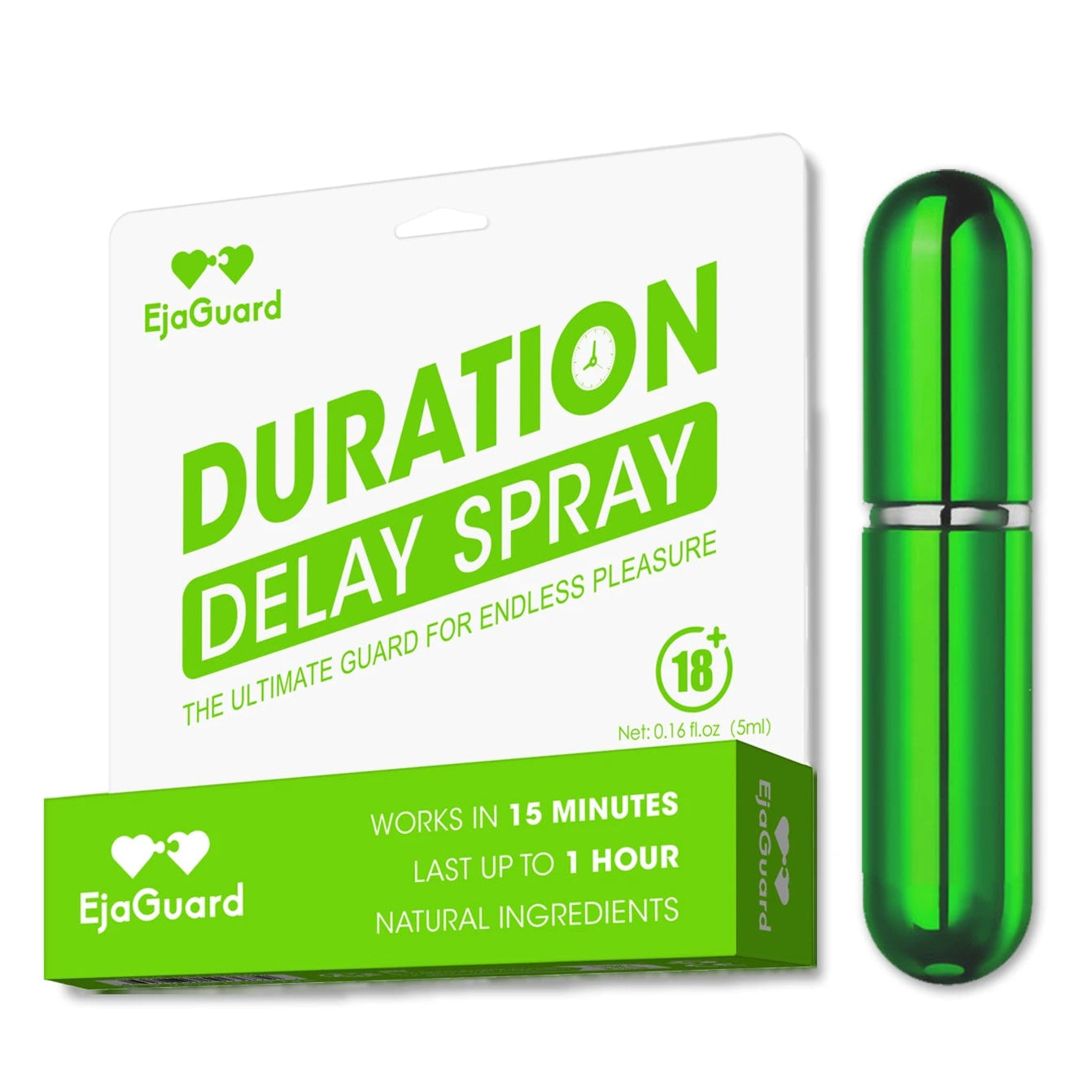
Wer an rezeptfreien Alternativen interessiert ist, die ähnliche Lebensstiländerungen unterstützen können – wie etwa weniger Verlangen oder mehr Selbstvertrauen in Bezug auf die Erregung – kann das Verzögerungsspray von EjaGuard ausprobieren , das entwickelt wurde, um ein Gleichgewicht zwischen Empfindlichkeit und Kontrolle zu schaffen.
Wellbutrin im Vergleich zu anderen Antidepressiva
Ein Hauptgrund, warum Menschen Wellbutrin in Betracht ziehen, ist, dass viele Antidepressiva mit Gewichtszunahme in Verbindung gebracht werden. SSRIs und SNRIs verursachen häufig:
-
Gesteigerter Appetit
-
Flüssigkeitsretention
-
Langsamerer Stoffwechsel
Zu den häufig verwendeten Antidepressiva, die zu einer Gewichtszunahme führen können, gehören:
-
Paroxetin
-
Mirtazapin
-
Sertralin
-
Escitalopram
Wellbutrin zeichnet sich dadurch aus, dass klinische Daten eine neutrale bis negative Gewichtsveränderung zeigen, was es zu einer bevorzugten Wahl für Personen macht, die sich Sorgen um ihr Gewicht machen.
Es wird häufig direkt mit SSRIs verglichen, beispielsweise in Suchanfragen wie:
-
Wellbutrin im Vergleich zu anderen Antidepressiva
-
Wellbutrin oder Zoloft zur Gewichtszunahme
In den meisten direkten Vergleichsstudien ist Wellbutrin die Option , die am wenigsten mit einer Gewichtszunahme in Verbindung gebracht wird .
Wer Nebenwirkungen wie sexuelle Überempfindlichkeit während der Einnahme von Antidepressiva behandeln möchte, kann auch die desensibilisierenden Lösungen von EjaGuard in Betracht ziehen. als ergänzende Unterstützung.
Wie schnell nimmt man mit Wellbutrin ab? Realistische Erwartungen
Nicht jeder, der Wellbutrin einnimmt, wird Gewicht verlieren, und die Ergebnisse variieren stark von Person zu Person.
Typischer Zeitablauf (basierend auf Berichten und Studien aus der Praxis)
-
Woche 1–2 : Energieniveau verändert sich; Appetit kann sich verändern.
-
Woche 4–6 : Stimmung und Motivation verbessern sich; es können leichte Gewichtsschwankungen auftreten.
-
Monate 2–3 : Spürbare Veränderungen des Appetits, der Essgewohnheiten und des Aktivitätsniveaus.
-
Monate 3–6 : Ein anhaltender Gewichtsverlust ist häufiger, insbesondere bei denjenigen, die Medikamente mit einer Anpassung des Lebensstils kombinieren.
Wie viel Gewicht können Sie verlieren?
Die Suche nach „Wie viel Gewicht kann man mit Wellbutrin verlieren?“ liefert keine eindeutige Antwort. Studien deuten jedoch darauf hin:
-
Manche Menschen verlieren 2 bis 10 Pfund.
-
Andere sehen keine Veränderung
-
Ein kleiner Prozentsatz kann an Gewicht zunehmen.
Entscheidend ist, dass jeder Körper aufgrund von Stoffwechsel, Ernährung, Hormonen, Genetik und emotionaler Gesundheit unterschiedlich reagiert .
Wird Wellbutrin gezielt zur Gewichtsreduktion verschrieben?
Manche fragen sich, ob Ärzte Wellbutrin gezielt zur Gewichtsreduktion verschreiben. Die Antwort:
Wellbutrin ist NICHT von der FDA als Medikament zur Gewichtsreduktion zugelassen.
Ärzte können sich jedoch dafür entscheiden, wenn:
-
Ein Patient leidet unter Depressionen und hat mit Gewichtszunahme zu kämpfen.
-
Ein Patient benötigt ein Antidepressivum, das die üblichen Risiken einer Gewichtszunahme vermeidet.
-
Ein Patient hat zuvor unter SSRIs oder SNRIs an Gewicht zugenommen.
Die Einnahme von Wellbutrin allein zur Gewichtsreduktion wird ohne ärztliche Anweisung nicht empfohlen. In Ausnahmefällen kann Contrave® verschrieben werden, ein Kombinationspräparat aus Bupropion und Naltrexon , das speziell zur Gewichtsreduktion zugelassen ist.
Nebenwirkungen, Risiken und wer es meiden sollte
Auch wenn viele Menschen nach „Wellbutrin-Gewichtsverlustgeschichten“ suchen, ist es wichtig zu bedenken, dass das Medikament bei jedem Menschen unterschiedlich wirkt.
Häufige Nebenwirkungen
-
Mundtrockenheit
-
Schlaflosigkeit
-
Angst oder Unruhe
-
Schnellerer Herzschlag
-
Brechreiz
-
Kopfschmerzen
Diese Werte nehmen in der Regel nach einigen Wochen ab.
Schwere Risiken (Sofort einen Arzt aufsuchen)
-
Krampfanfälle (selten, aber schwerwiegend, insbesondere bei hohen Dosen)
-
Bluthochdruck
-
Allergische Reaktionen
-
Schwere Angstzustände oder Unruhe
-
Verschlimmerung der Depression oder Suizidgedanken
Wer sollte Wellbutrin meiden?
Ärzte vermeiden es im Allgemeinen, es Personen mit folgenden Erkrankungen zu verschreiben:
-
Anfallsleiden in der Vorgeschichte
-
Bulimie oder Anorexie
-
Unkontrollierter Bluthochdruck
-
Plötzlicher Alkohol- oder Sedativa-Entzug
-
Bestimmte Wechselwirkungen von Medikamenten
Konsultieren Sie vor der Anwendung von Wellbutrin immer einen Arzt, insbesondere wenn Gewichtsschwankungen Ihr Hauptanliegen sind.
Wie Sie eine gesunde Gewichtsabnahme während der Einnahme von Wellbutrin unterstützen können
Wellbutrin kann bei manchen Menschen auf natürliche Weise die Gewichtsabnahme unterstützen, aber der langfristige Erfolg hängt von den Lebensgewohnheiten ab , nicht allein von der Medikamenteneinnahme.
Hier sind evidenzbasierte Strategien, die die Gewichtsabnahme verbessern können, ohne medizinische Behauptungen aufzustellen:
1. Mahlzeiten mit hohem Proteingehalt priorisieren
Protein unterstützt:
-
Sättigung
-
Stabiler Blutzucker
-
Muskelerhaltung
Dies hilft, übermäßigem Essen entgegenzuwirken, insbesondere wenn Wellbutrin den Appetit reduziert.
2. Integrieren Sie regelmäßige Bewegung in Ihren Tag.
Der Energieschub durch Wellbutrin kann dazu beitragen, Folgendes aufrechtzuerhalten:
-
Gehgewohnheiten
-
Fitnessroutinen
-
Ausdauer- oder Krafttraining
Schon moderate Mengen verbessern die Stoffwechselgesundheit.
3. Sorgen Sie für ausreichend Schlaf.
Bei Personen, die Wellbutrin einnehmen, tritt gelegentlich Schlaflosigkeit auf.
Schlafmangel:
-
Verstärkt Heißhungerattacken
-
Erhöht die Stresshormone
-
Verlangsamt den Stoffwechsel
Auf gute Schlafhygiene zu achten, ist unerlässlich.
4. Stressbewältigung ohne Essen
Da Wellbutrin auf das Dopamin- und Belohnungssystem wirkt, sollte die Kombination des Medikaments mit folgenden Substanzen vermieden werden:
-
Therapie
-
Achtsamkeit
-
Tief durchatmen
-
Tagebuch schreiben
hilft dabei, emotionales Essen zu reduzieren.
5. Bewegungsmuster verfolgen, nicht nur das Gewicht.
Zu beachtende Änderungen:
-
Appetitreduktion
-
Gleichmäßigere Energie
-
Weniger Heißhungerattacken
-
Verbesserte Stimmung
Diese treten oft vor den Skalenänderungen auf.
Für Männer, die Lebensstiländerungen mit mehr Selbstvertrauen im Bereich Intimität verbinden möchten, sind die EjaGuard-Vergrößerungscremes die richtige Wahl. kann durch körperorientierte Selbstfürsorge zusätzliche Motivation bieten.
Häufig gestellte Fragen
1. Hilft Wellbutrin beim Abnehmen?
Für manche Menschen ja – aber nicht für alle.
Studien zeigen, dass ein mäßiger Gewichtsverlust möglich ist, die Ergebnisse jedoch variieren.
2. Wie schnell nimmt man mit Wellbutrin ab?
Die deutlichsten Veränderungen treten nach 2 bis 3 Monaten auf, bei manchen Kindern sind jedoch schon frühere Auswirkungen auf den Appetit feststellbar.
3. Stoppt Wellbutrin Heißhungerattacken?
Einige Anwender berichten von einem verringerten Verlangen nach Süßem oder Saurem, was wahrscheinlich auf Veränderungen im Dopamin- und Belohnungssystem zurückzuführen ist.
4. Kann man Wellbutrin zusammen mit Medikamenten zur Gewichtsreduktion einnehmen?
Nur unter ärztlicher Aufsicht.
Manche Kombinationen sind unbedenklich; andere können die Nebenwirkungen verstärken.
5. Ist Wellbutrin hinsichtlich der Gewichtsabnahme besser als SSRIs?
Für viele Menschen trifft das zu. Wellbutrin führt seltener zu einer Gewichtszunahme und kann sogar einen leichten Gewichtsverlust zur Folge haben.
Abschluss
Der Zusammenhang zwischen Wellbutrin und Gewichtsabnahme wird sowohl durch klinische Studien als auch durch Erfahrungsberichte von Anwendern belegt. Obwohl keine Garantie besteht, berichten viele Anwender, dass Wellbutrin den Appetit zügelt, die Energie steigert und die Stimmung verbessert – Faktoren, die zu einer nachhaltigen Gewichtsveränderung beitragen können.
Wellbutrin ist jedoch kein Medikament zur Gewichtsreduktion und sollte stets unter ärztlicher Aufsicht eingenommen werden. Bei unerwarteten Gewichtsschwankungen, belastenden Nebenwirkungen oder Appetitproblemen wenden Sie sich bitte an Ihren Arzt.
Bei sicherer und umsichtiger Anwendung kann Wellbutrin zur Verbesserung der psychischen Gesundheit beitragen und weist im Vergleich zu vielen anderen Antidepressiva ein günstigeres Gewichtsprofil auf.
