

 Buy Now

Can a Short Frenulum Affect Premature Ejaculation? Understanding Frenulum Breve, Symptoms, and Treatment

Premature ejaculation (PE) is often associated with psychological factors, sexual habits, or differences in sensitivity. However, certain physical conditions may also be relevant, including a relatively uncommon issue that many men have never heard of: a short penile frenulum.
The frenulum is a small fold of tissue on the underside of the penis that connects the glans to the foreskin. When this tissue is unusually short or tight, the condition is known as frenulum breve. It can cause pulling, discomfort, or pain during erections and sexual activity. Some medical sources also recognize a possible association between a short frenulum and ejaculating sooner than desired.
But does a short frenulum actually cause premature ejaculation? Could treating it improve ejaculation control? And how can someone tell whether this anatomical feature is relevant to their symptoms?
The answers require a closer look at penile anatomy, the available research, and the difference between a physical condition that deserves treatment and one that is simply present alongside PE.

Table of Contents
-
What Is the Penile Frenulum?
-
What Is Frenulum Breve?
-
What Symptoms Can a Short Frenulum Cause?
-
Can a Short Frenulum Cause Premature Ejaculation?
-
What Does the Research Actually Show?
-
Why Might Frenulum Breve Affect Ejaculation?
-
How Is Frenulum Breve Diagnosed?
-
Can Treating a Short Frenulum Improve PE?
-
What Are the Treatment Options?
-
What If You Have PE Without Frenulum Breve?
-
Where Does Delay Spray Fit Into the Picture?
-
When Should You See a Healthcare Professional?
-
The Bottom Line
What Is the Penile Frenulum?
The penile frenulum is a small band of tissue located on the underside of the penis, connecting the glans, or head, to the foreskin. It helps the foreskin move during retraction and sexual activity. Although small, this area contains sensitive tissue and can contribute to the sensations experienced during sexual stimulation.
The length and flexibility of the frenulum vary between individuals. A shorter frenulum is not automatically a medical problem. What matters is whether the tissue restricts movement, pulls uncomfortably during an erection, causes pain, or interferes with normal sexual activity.
Understanding this distinction is important because normal anatomical variation should not be mistaken for a condition that requires treatment. A man may have a relatively short frenulum and no symptoms at all, while another may experience significant discomfort because the tissue is too tight.
For an overview of the anatomy, symptoms, and treatment options, the Cleveland Clinic's guide to frenulum breve provides a useful medical reference.

What Is Frenulum Breve?
Frenulum breve refers to a frenulum that is too short or tight to allow comfortable movement of the foreskin. It is commonly present from birth, although scarring, injury, inflammation, or other penile conditions can sometimes contribute to tightness that develops later.
One possible sign is that the frenulum pulls on the underside of the glans when the penis becomes erect or when the foreskin is retracted. In some cases, this pulling can make the glans tilt downward. Other men notice that the skin feels tight during masturbation or partnered sex.
The severity varies considerably. Mild cases may cause little inconvenience, while more pronounced cases can result in repeated discomfort, small tears, or bleeding. The condition can also coexist with other problems involving the foreskin, so symptoms alone are not enough to determine the exact diagnosis.
It is also important to distinguish frenulum breve from phimosis. Phimosis involves difficulty retracting the foreskin because its opening is too tight. Frenulum breve involves restriction caused by the tissue connecting the glans and foreskin. The conditions are different, although they can occur together.

What Symptoms Can a Short Frenulum Cause?
Symptoms often relate to physical tension rather than ejaculation timing itself. Some men notice pulling during erections, discomfort when retracting the foreskin, or pain during sexual activity. Others experience repeated irritation in the same area.
A short frenulum may also tear if the tissue is placed under excessive tension. A tear can cause bleeding and pain, and repeated injuries may result in scar tissue that makes the area tighter. For this reason, repeatedly forcing the foreskin back or attempting to stretch the tissue aggressively is not a safe way to determine whether a problem exists.
Common signs worth discussing with a healthcare professional include:
-
Pain or pulling on the underside of the glans during erections.
-
Discomfort during masturbation or partnered sex.
-
Difficulty moving the foreskin comfortably.
-
Repeated tearing or bleeding near the frenulum.
-
Persistent irritation associated with movement of the foreskin.
Not every man with frenulum breve experiences all these symptoms. Some notice only a slight restriction, while others find that discomfort affects their willingness to engage in sexual activity.
If these symptoms sound familiar, the Cleveland Clinic's overview of diagnosis and treatment explains why a clinical examination is more useful than trying to diagnose the condition through appearance alone.
Can a Short Frenulum Cause Premature Ejaculation?
A short frenulum has been associated with premature ejaculation in some clinical research. The Cleveland Clinic also lists ejaculation before a person wants to among the possible symptoms of frenulum breve. However, this does not mean every short frenulum causes PE, or that every man with PE has an anatomical problem.
There are several reasons to be cautious about the relationship. PE is a multifactorial sexual concern, and ejaculation timing can be influenced by biological, psychological, behavioral, and situational factors. A physical feature may contribute to the experience for some men without being the main explanation for others.
It is also possible for two conditions to occur together without one directly causing the other. A man might have frenulum breve and lifelong PE, but the presence of both conditions does not establish that the frenulum is responsible for his ejaculation pattern.
This distinction matters when considering treatment. If a short frenulum is causing pain, tearing, or restricted movement, those symptoms deserve assessment in their own right. Whether treating the frenulum will improve PE is a separate question that requires a more careful evaluation.
For a broader understanding of how clinicians assess PE, see EjaGuard's guide to premature ejaculation diagnosis. The central principle is that ejaculation timing should be considered alongside symptoms, history, and the degree of distress rather than explained by one observation alone.

What Does the Research Actually Show?
One frequently cited study, published in The Journal of Sexual Medicine in 2010, investigated the relationship between a short frenulum and lifelong premature ejaculation. Researchers examined 137 patients who sought care for lifelong PE and identified a short frenulum in 59 of them, or approximately 43%.
The researchers also followed the patients with a short frenulum who underwent surgical treatment. Their average intravaginal ejaculation latency time increased from approximately 1.65 minutes before treatment to 4.11 minutes afterward. Scores on a PE-related questionnaire also improved. The findings suggest that a short frenulum may be relevant in a subset of men with lifelong PE.
However, the study had important limitations. It involved patients seeking treatment at a clinical center rather than a representative sample of all men. It was also not a randomized controlled trial comparing surgery with a suitable untreated control group. The findings therefore cannot establish that frenulum breve causes PE in the general population or that surgery will produce the same improvement for other patients.
You can read the original paper, “The Role of Short Frenulum and the Effects of Frenulectomy on Premature Ejaculation,” through PubMed.
Other medical literature has urged caution about surgical procedures promoted specifically as treatments for PE. A review discussing surgical approaches noted that the evidence concerning frenulum surgery was limited and insufficient to recommend it as a routine treatment for premature ejaculation. That distinction is essential: a procedure may be appropriate for a symptomatic anatomical condition without being an established treatment for PE itself.
The review, “Surgery Is Not Indicated for the Treatment of Premature Ejaculation,” discusses these limitations and the broader concerns surrounding surgical interventions for ejaculation problems.
Why Might Frenulum Breve Affect Ejaculation?
The exact mechanism connecting a short frenulum with PE has not been established. Several explanations are possible, but they should be treated as hypotheses rather than proven mechanisms.
One possibility relates to the sensitivity of the frenulum. The area is naturally sensitive, and some men may find stimulation there particularly intense. If a short frenulum also creates pulling or discomfort, the overall sensory experience may differ from that of someone without the condition. However, greater sensitivity alone does not prove that a person will ejaculate prematurely.
Another possibility involves discomfort and anticipation. Someone who repeatedly experiences pulling, pain, or tearing during sexual activity may become increasingly focused on those sensations. They might alter their movements, tense up, or feel anxious about whether the tissue will hurt again. Such experiences could affect sexual comfort and arousal, although the precise relationship with ejaculation timing remains uncertain.
There is also an important distinction between physical sensation and ejaculation control. Ejaculation is a coordinated physiological process involving nervous system signaling and muscular responses. A local anatomical feature may be one part of an individual's experience, but it does not automatically explain the full process.
This is why it would be misleading to claim that frenulum breve always makes the penis too sensitive or that correcting the frenulum necessarily restores ejaculation control. The relevant question is whether the condition is actually causing symptoms and whether those symptoms plausibly contribute to the individual's difficulties.

How Is Frenulum Breve Diagnosed?
Diagnosis usually begins with a medical history and a physical examination. A healthcare professional may ask about discomfort during erections, foreskin movement, sexual activity, previous tearing, bleeding, and when the symptoms first appeared.
The examination helps determine whether the frenulum is restricting movement and whether another condition may be contributing to the symptoms. For example, inflammation, scarring, or phimosis can cause overlapping complaints. A professional assessment can help distinguish these possibilities and determine whether treatment is necessary.
Men should not attempt to diagnose the condition solely by comparing their anatomy with online photographs or other people's descriptions. Frenulum length varies naturally, and appearance alone does not reveal whether the tissue is causing a functional problem.
It is also useful to explain any ejaculation concerns during the appointment. If PE is the main reason for seeking help, the clinician can assess whether the anatomical finding appears relevant or whether other factors deserve more attention.
A diagnosis of frenulum breve should not automatically lead to a recommendation for surgery. Treatment depends on the severity of the symptoms, the effect on daily and sexual life, the person's preferences, and the expected benefits and risks of available options.

Can Treating a Short Frenulum Improve PE?
Treatment may improve ejaculation-related symptoms in some men, but the evidence remains limited. The 2010 study described earlier reported improvements in ejaculation latency and questionnaire scores following surgery among selected patients with lifelong PE and a short frenulum. Those results are worth noting, but they do not establish a universal outcome.
An important consideration is the reason treatment is being considered. If a man experiences repeated tearing, pain during erections, or significant restriction of the foreskin, treatment may be appropriate to address those physical symptoms even if its effect on PE is uncertain.
If the only concern is ejaculating sooner than desired and there are no symptoms suggesting frenulum breve, surgery should not be assumed to be a useful solution. The procedure may not address the factors driving PE, and any surgical intervention carries potential risks, including pain, bleeding, infection, scarring, or changes in sensation.
Men considering treatment should ask the clinician what outcome the procedure is intended to achieve. Is the goal to relieve painful tension, improve foreskin movement, prevent repeated injuries, or treat ejaculation difficulties? These goals overlap in some cases but are not interchangeable.
A realistic discussion should distinguish the likely benefit for a diagnosed anatomical problem from the less certain possibility of improving PE. This helps prevent an understandable search for a quick solution from turning into an unnecessary procedure.

What Are the Treatment Options?
Treatment depends on the severity of frenulum breve and the symptoms it causes. Not every case requires surgery. A clinician may recommend observation when the restriction is mild and does not cause meaningful discomfort or injury.
For selected mild cases, a healthcare professional may discuss conservative management, which can include carefully guided stretching or prescribed topical medication. These approaches are not appropriate for every patient, and forceful stretching can cause tearing or worsen scarring. It is best to receive specific instructions rather than experimenting with aggressive techniques at home.
For more severe or persistent cases, a procedure called frenuloplasty may be considered. It aims to lengthen or release the tight frenulum so that the tissue can move more comfortably. Depending on the situation, a clinician may discuss other surgical options, including frenulum removal. The appropriate procedure depends on the anatomy, symptoms, and individual circumstances.
The British Association of Urological Surgeons' patient information on frenuloplasty explains the procedure and the considerations patients should discuss with their urologist.
Recovery is also important. After a procedure, patients need to follow wound-care instructions and avoid sexual activity for the period recommended by their surgeon. Resuming activity too early may interfere with healing. The expected recovery time varies with the procedure and the individual.
No treatment should be selected solely because someone online reported that it increased their ejaculation time. A clinician can help weigh the potential benefits against the risks and clarify what improvement is realistic to expect.

What If You Have PE Without Frenulum Breve?
Many men with premature ejaculation do not have a short frenulum. If there is no pain, pulling, tearing, or restriction of foreskin movement, it may be more useful to explore other factors rather than focus on an anatomical explanation.
PE can involve different patterns. Some men have experienced it since their earliest sexual experiences, while others develop it after a period of satisfactory sexual function. Psychological distress, erectile difficulties, relationship circumstances, and other health-related factors may be relevant depending on the person.
A clinician can help distinguish between lifelong and acquired PE, evaluate associated symptoms, and discuss treatment options. These may include behavioral strategies, psychosexual support, medication, or topical products, depending on the diagnosis and individual preferences.
The goal is not to find a single explanation at any cost. It is to identify which factors are most relevant and choose an approach that addresses the actual problem. A physical examination may be useful when anatomical symptoms are present, while other concerns may require a different evaluation.
For men who want to explore treatment approaches beyond anatomical conditions, EjaGuard's guide to combining delay spray with behavioral techniques discusses why different approaches may serve different purposes. No single method is guaranteed to work for everyone.
Where Does Delay Spray Fit Into the Picture?
Delay sprays are topical products designed to help manage ejaculation timing, typically by influencing sensation. Their ingredients, instructions, and effects differ, so they should not be treated as interchangeable. They also do not correct a short frenulum or resolve physical problems such as repeated tearing and pain.
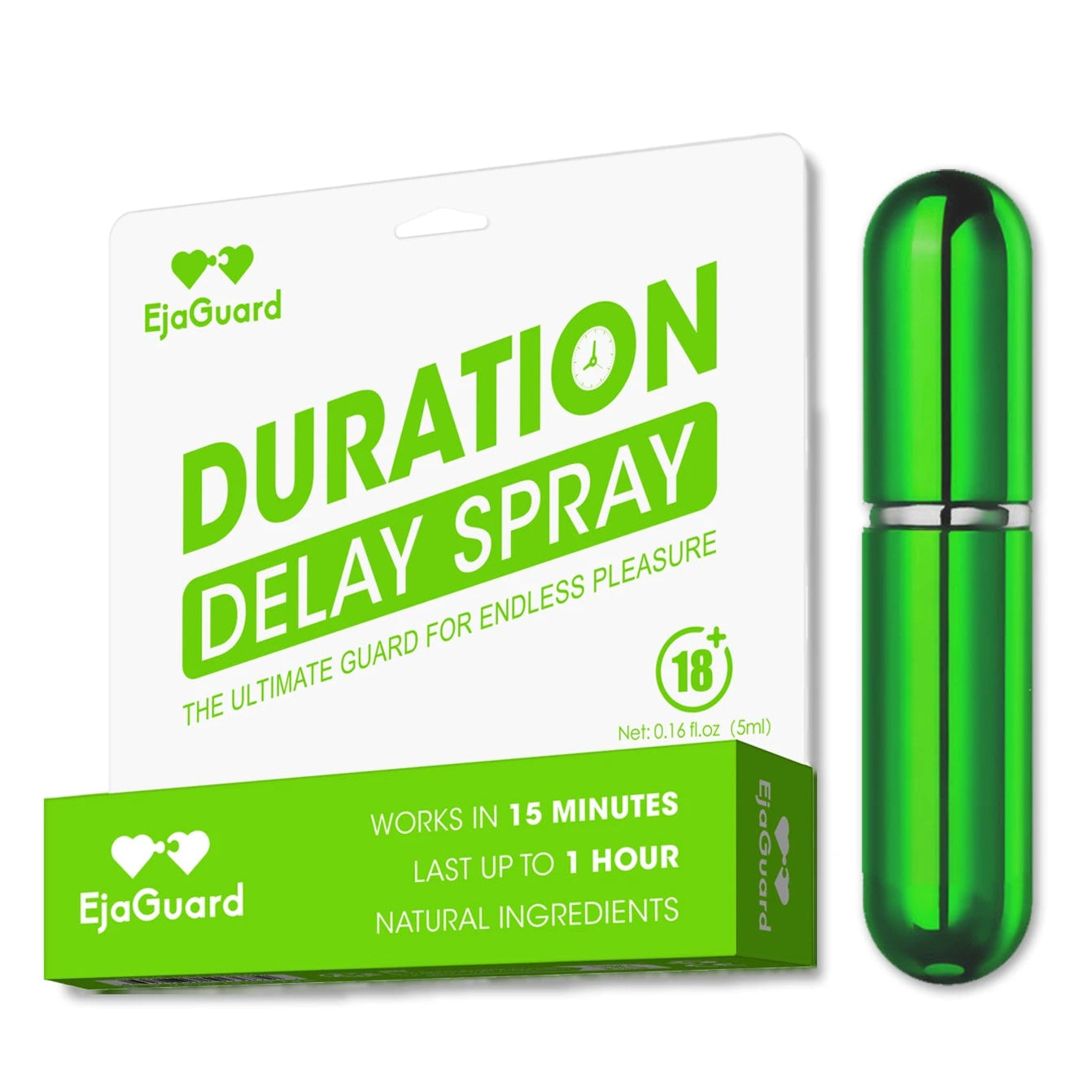
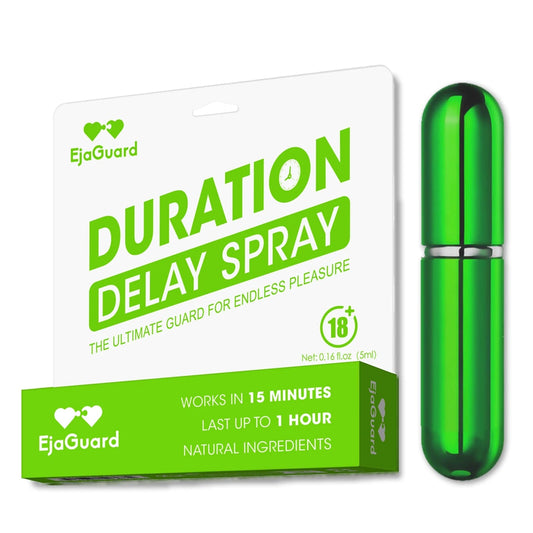
For men whose main concern is ejaculation timing, a topical product may be one option to explore after considering the likely contributing factors. EjaGuard is one example of a delay spray marketed for men who prefer a milder-feeling approach. Anyone considering it should review its current product information and directions rather than assuming that it is suitable for every situation.
A delay spray should not be used to mask persistent pain or allow sexual activity to continue despite tissue injury. If the frenulum is painful or repeatedly tears, the underlying physical problem should be evaluated first. Reducing sensation does not remove mechanical tension, repair damaged tissue, or replace medical treatment.

For product-specific details, consult the EjaGuard Delay Spray product page. Follow the current label, avoid exceeding the recommended amount, and discontinue use if irritation or an adverse reaction occurs. If you have an unexplained penile condition or ongoing discomfort, ask a healthcare professional whether a topical product is appropriate.
The key distinction is that managing ejaculation timing and treating an anatomical condition are two different goals. Some men may need only one type of support; others may benefit from addressing more than one contributing factor.

When Should You See a Healthcare Professional?
Consider seeking medical advice if you experience persistent pulling or pain during erections, difficulty retracting the foreskin, repeated tearing or bleeding beneath the glans, or discomfort that interferes with sexual activity. These symptoms can indicate a physical issue that deserves evaluation.
It is also worth arranging an appointment if PE is persistent, causes distress, affects a relationship, or begins suddenly after a period of normal sexual function. When PE and physical symptoms occur together, describing both can help the clinician decide what to investigate.
If bleeding is significant, a tear is deep, or there are signs of infection such as increasing redness, swelling, discharge, or worsening pain, seek prompt medical care. Avoid attempting to cut, release, or forcefully stretch the frenulum yourself. Such attempts can cause serious injury and scarring.
During an appointment, useful questions include:
-
Does my frenulum appear unusually short or tight?
-
Could another condition explain the discomfort?
-
Is treatment necessary, or is observation reasonable?
-
What are the benefits and risks of conservative treatment versus surgery?
-
If I also have PE, how likely is treatment to affect ejaculation timing?
-
What recovery period and activity restrictions should I expect?
A good treatment decision should be based on a clear diagnosis, a discussion of alternatives, and realistic expectations—not on the assumption that one anatomical feature explains every sexual difficulty.
The Bottom Line
A short penile frenulum, known as frenulum breve, can cause discomfort, pulling, and difficulty with foreskin movement. Some research has also found an association between frenulum breve and premature ejaculation, and one clinical study reported improved ejaculation outcomes after surgery in selected patients.
However, the evidence is not strong enough to conclude that a short frenulum is a common cause of PE or that surgery should be used routinely to treat ejaculation difficulties. Association does not establish causation, and results from a selected group of patients cannot predict the outcome for every individual.
The most practical approach is to pay attention to the symptoms that accompany PE. Pain, pulling, repeated tearing, or restricted foreskin movement are reasons to consider an examination. If those symptoms are absent, other explanations for ejaculation difficulties may be more relevant.
Treatment should match the problem being treated. Frenulum procedures may be appropriate for symptomatic frenulum breve, while PE may require a separate or combined approach depending on its causes. Products such as delay sprays may help some men manage ejaculation timing, but they do not correct an anatomical condition.
The key takeaway: a short frenulum may matter for some men, but it should be assessed rather than assumed to be the cause of PE. A proper diagnosis is the best starting point for choosing an appropriate treatment.

