

 Buy Now
Can Thyroid Problems Affect Premature Ejaculation? What the Research Says

Premature ejaculation is usually discussed as a sexual-health problem.
Most conversations focus on things like ejaculation time, perceived control, sensitivity, anxiety, or sexual experience. But ejaculation is influenced by more than what happens during sex.
Your nervous system, hormones, general health, medications, and other medical conditions can all play a role in sexual function. One condition that deserves more attention is the thyroid.
Research has found an association between thyroid disorders and ejaculatory problems. In particular, hyperthyroidism, or an overactive thyroid, has been linked with a higher likelihood of premature ejaculation. At the same time, hypothyroidism has been more commonly associated with delayed ejaculation and other forms of sexual dysfunction.
Premature Ejaculation: An Ultimate Guide for Men
That doesn't mean that every man with PE should assume he has a thyroid problem.
It also doesn't mean that thyroid disease directly causes PE in every case. The relationship is more complicated than that.
However, if ejaculation changes unexpectedly—especially when other symptoms of thyroid dysfunction are present—it may be worth looking at the bigger picture instead of assuming the problem is simply related to sensitivity.

Table of Contents
- What Does the Thyroid Have to Do With Sexual Function?
- What Is Hyperthyroidism?
- What Is Hypothyroidism?
- Can Hyperthyroidism Really Be Linked to PE?
- What Does the Research Actually Show?
- Why Might an Overactive Thyroid Affect Ejaculation?
- Why Acquired PE Is Especially Important
- What Symptoms Might Point Toward a Thyroid Problem?
- Could Treating the Thyroid Improve PE?
- Does Hypothyroidism Cause PE?
- Should Every Man With PE Get a Thyroid Test?
- Where Does Delay Spray Fit Into the Picture?
- When Should You Talk to a Doctor?
- Frequently Asked Questions
- The Bottom Line
What Does the Thyroid Have to Do With Sexual Function?
The thyroid is a small butterfly-shaped gland located at the front of the neck.
Despite its relatively small size, thyroid hormones influence many systems throughout the body. They help regulate metabolism and affect processes involving the heart, nervous system, muscles, temperature regulation, and energy use.
Because these hormones influence so many different systems, thyroid disorders can also affect areas that don't seem obviously connected to the thyroid—including sexual function.
The relationship between thyroid disorders and male sexual function has been recognized in medical research for years. Both hyperthyroidism and hypothyroidism have been associated with sexual problems, although the specific pattern can differ between conditions.
This is important because sexual symptoms can sometimes be the first reason a man begins looking more closely at his overall health.
A man may notice that his ejaculation pattern has changed, for example, without immediately realizing that he is also experiencing other symptoms such as unusual sweating, changes in weight, a racing heartbeat, fatigue, or sleep problems.
None of those symptoms proves that thyroid disease is responsible.
But when several changes happen around the same time, they provide useful context.

What Is Hyperthyroidism?
Hyperthyroidism occurs when the thyroid gland produces more thyroid hormone than the body needs.
Because thyroid hormones affect the body's metabolic activity, too much thyroid hormone can essentially push many body systems into a more activated state.
Common symptoms can include unexplained weight loss, rapid or irregular heartbeat, nervousness, irritability, tremors, sweating, heat intolerance, fatigue, muscle weakness, and sleep problems.
How Is Premature Ejaculation Diagnosed? Why It's More Than Just a Stopwatch
Some men with hyperthyroidism may also experience changes in sexual function.
Research has reported associations between hyperthyroidism and problems involving erection, desire, and ejaculation. The exact mechanisms are still being studied, but the evidence is strong enough that thyroid function is recognized as a potential consideration in some men with acquired PE.
This doesn't mean hyperthyroidism is a common explanation for PE.
It means that, in the right clinical context, it is one possible underlying factor worth considering.

What Is Hypothyroidism?
Hypothyroidism is essentially the opposite situation.
Instead of producing too much thyroid hormone, the thyroid does not produce enough to meet the body's needs.
This can slow many physiological processes.
Common symptoms include fatigue, weight gain, sensitivity to cold, dry skin, constipation, muscle or joint problems, slowed heart rate, and depression. Symptoms can develop gradually, meaning some people may not immediately recognize that anything is wrong.
Hypothyroidism can also affect sexual function.
However, the ejaculation pattern associated with low thyroid function is not necessarily the same as the pattern associated with hyperthyroidism.
Research has more often linked hypothyroidism with delayed ejaculation rather than premature ejaculation. The EAU guidelines also list hypothyroidism among endocrine causes associated with delayed ejaculation.
This difference is one of the most interesting parts of the thyroid-PE relationship.
It suggests that thyroid function may influence ejaculation in more than one direction rather than simply making ejaculation “faster” or “slower.”

Can Hyperthyroidism Really Be Linked to PE?
The short answer is yes, there is evidence of an association.
A systematic review and meta-analysis examining thyroid disorders and ejaculatory dysfunction found that hyperthyroidism was associated with increased odds of PE. The same review found evidence that treatment of thyroid disorders could improve ejaculation latency in some patients. However, the authors emphasized that the available evidence had limitations and that the causal relationship was not fully established.
The International Society for Sexual Medicine has also highlighted research showing that men with hyperthyroidism may be more likely to experience PE.
The ISSM notes that the mechanisms connecting hyperthyroidism and PE are not fully understood, but some studies suggest that treating the thyroid condition may improve ejaculation latency in affected men.
ISSM — Men With Hyperthyroidism More Likely to Have PE
This distinction is worth emphasizing.
Researchers are not saying:
“Hyperthyroidism causes PE in every man.”
They are saying that the two conditions appear to occur together more often than would be expected in some populations, and that thyroid treatment may improve ejaculation in at least some men.

What Does the Research Actually Show?
One systematic review examined studies involving thyroid disorders and ejaculatory function.
The researchers found that men with hyperthyroidism had higher odds of PE compared with controls, while delayed ejaculation was more strongly associated with hypothyroidism. They also found evidence that treating thyroid dysfunction could improve ejaculation latency.
PubMed — Systematic Review and Meta-analysis of Thyroid Disorders and Ejaculatory Dysfunction
However, the review also pointed out that the overall quantity and quality of evidence were limited.
A newer 2023 systematic review and meta-analysis also found that treatment of hyperthyroidism was associated with improvements in erectile function and mean intravaginal ejaculation latency time, and reported a reduction in PE among treated patients. Again, these findings support a relationship but do not establish that hyperthyroidism is the explanation for every case of PE.
EAU Guidelines on Disorders of Ejaculation
The evidence therefore supports an association, but not a simple one-size-fits-all explanation.
That is especially important for online sexual-health information.
It is easy to see a headline saying “hyperthyroidism causes premature ejaculation” and assume the issue has been solved.
Real medical evidence is rarely that simple.

Why Might an Overactive Thyroid Affect Ejaculation?
Researchers are still working out the exact mechanisms.
One possibility is that thyroid hormones influence multiple systems involved in sexual function, including cardiovascular function, metabolism, nervous-system activity, and hormonal regulation.
Hyperthyroidism can also produce symptoms such as nervousness, restlessness, sleep disruption, and a rapid heartbeat. Those changes can alter the overall sexual experience even if they do not directly control the ejaculation reflex.
Can Anxiety Influence Premature Ejaculation?
Hormonal changes may also influence other reproductive hormones and sexual-function pathways.
However, it would be an oversimplification to claim that one hormone directly determines whether a man ejaculates quickly.
Ejaculation is a complex physiological process involving multiple interacting systems. The EAU describes ejaculation as a process involving intertwined neurological, hormonal, and anatomical pathways.
That is why researchers currently describe the thyroid-PE relationship as multifactorial rather than pointing to one single mechanism.

Why Acquired PE Is Especially Important
This is probably the most useful distinction for someone reading this article.
There is a difference between lifelong PE and acquired PE.
Lifelong PE is present from the beginning of a man's sexual experience.
Acquired PE develops after a period during which ejaculation was previously satisfactory.
That difference matters because acquired PE can sometimes be associated with an underlying medical or psychological change. The current EAU guidelines specifically list hyperthyroidism among the possible comorbidities associated with acquired PE and recommend addressing underlying causes when treating acquired PE.
Does Premature Ejaculation Change With Age? What Really Happens to Ejaculation as Men Get Older
Imagine a man who has always ejaculated quickly.
His situation may have little to do with thyroid function.
Now imagine another man who had satisfactory ejaculation for years and then suddenly begins ejaculating much sooner than before.
If that change happens together with other symptoms—such as unexplained weight loss, increased heart rate, sweating, tremors, or unusual anxiety—it makes more sense to consider whether a broader health issue could be involved.
That does not mean thyroid disease is the answer.
It simply means the change deserves to be looked at in context.
What Symptoms Might Point Toward a Thyroid Problem?
Premature ejaculation by itself is not a reliable sign of thyroid disease.
There are many possible explanations for PE, and most men with PE do not automatically need to assume they have an endocrine disorder.
The situation becomes more interesting when ejaculation changes occur alongside other symptoms that are consistent with thyroid dysfunction.
For hyperthyroidism, these may include:
- Unexplained weight loss
- Rapid or irregular heartbeat
- Increased sweating
- Heat intolerance
- Hand tremors
- Nervousness or irritability
- Difficulty sleeping
- Muscle weakness
- Increased bowel frequency
- Swelling at the base of the neck
These symptoms are not specific to thyroid disease, either. Other medical conditions can produce similar symptoms.
This is why symptoms should be viewed as clues rather than diagnoses.
For example, being anxious doesn't automatically mean you have hyperthyroidism.
Losing weight doesn't automatically mean you have hyperthyroidism.
And ejaculating quickly doesn't automatically mean your thyroid is overactive.
But several new symptoms appearing together may be a good reason to talk with a healthcare professional.

Could Treating the Thyroid Improve PE?
Possibly.
This is one of the more interesting findings from the existing research.
Some studies have found that treating hyperthyroidism was associated with improvements in ejaculation latency. A 2023 systematic review and meta-analysis found that treatment of hyperthyroidism was associated with improved mean intravaginal ejaculation latency time and a lower prevalence of PE among the studied participants.
ISSM — Thyroid Problems and Sexual Function
The earlier systematic review and meta-analysis also found evidence that treatment of thyroid disorders could improve ejaculation latency measures. However, the authors emphasized that the evidence base was limited and that the causal relationship between thyroid disorders and ejaculatory dysfunction remained unclear.
This leads to an important principle:
If a medical condition is contributing to acquired PE, addressing that condition may be more important than simply treating the ejaculation symptom.
That doesn't mean PE-specific treatment becomes irrelevant.
It means the underlying issue should not be overlooked.

Does Hypothyroidism Cause PE?
Not usually in the same way.
The available literature more consistently associates hypothyroidism with delayed ejaculation and other sexual difficulties rather than PE. The EAU guideline specifically includes hypothyroidism among endocrine causes of delayed ejaculation.
Can Your Sexual Routine Make PE Feel Worse?
This difference is another reason why “thyroid problems affect ejaculation” is a better statement than “thyroid problems cause premature ejaculation.”
The direction of the change can matter.
An overactive thyroid may be associated with faster ejaculation in some men, while an underactive thyroid may be associated with delayed ejaculation in others.
But individual responses are not predictable enough to use ejaculation timing as a thyroid diagnostic tool.
Should Every Man With PE Get a Thyroid Test?
No.
Routine testing is not necessary for every person who experiences PE.
The EAU guidelines state that routine laboratory or physiological testing is not recommended during the initial assessment of PE. Tests should instead be directed by findings from the patient's medical history and physical examination.
This is an important point because it prevents unnecessary testing.
If a man has lifelong PE with no other symptoms suggesting thyroid dysfunction, there may be no specific reason to assume thyroid disease is involved.
On the other hand, if someone develops acquired PE along with symptoms suggestive of hyperthyroidism, a clinician may decide that thyroid testing is appropriate.
The goal isn't to test everything.
The goal is to test when the clinical picture gives you a reason to investigate.
Where Does Delay Spray Fit Into the Picture?
A delay spray and thyroid treatment address completely different parts of the problem.
A topical delay spray works locally by reducing penile sensitivity. It may help some men manage ejaculation when sensitivity is part of the problem.
It does not correct thyroid hormone levels.
It does not treat hyperthyroidism.
And it should not be used as a substitute for medical evaluation when a new ejaculation problem appears alongside other concerning symptoms.
Topical anesthetics are recognized in clinical guidelines as one treatment option for PE, particularly lifelong PE, and topical anaesthetic treatments have demonstrated efficacy in improving ejaculation latency in clinical research.
Delay Spray for Men: Benefits, Usage, and Tips
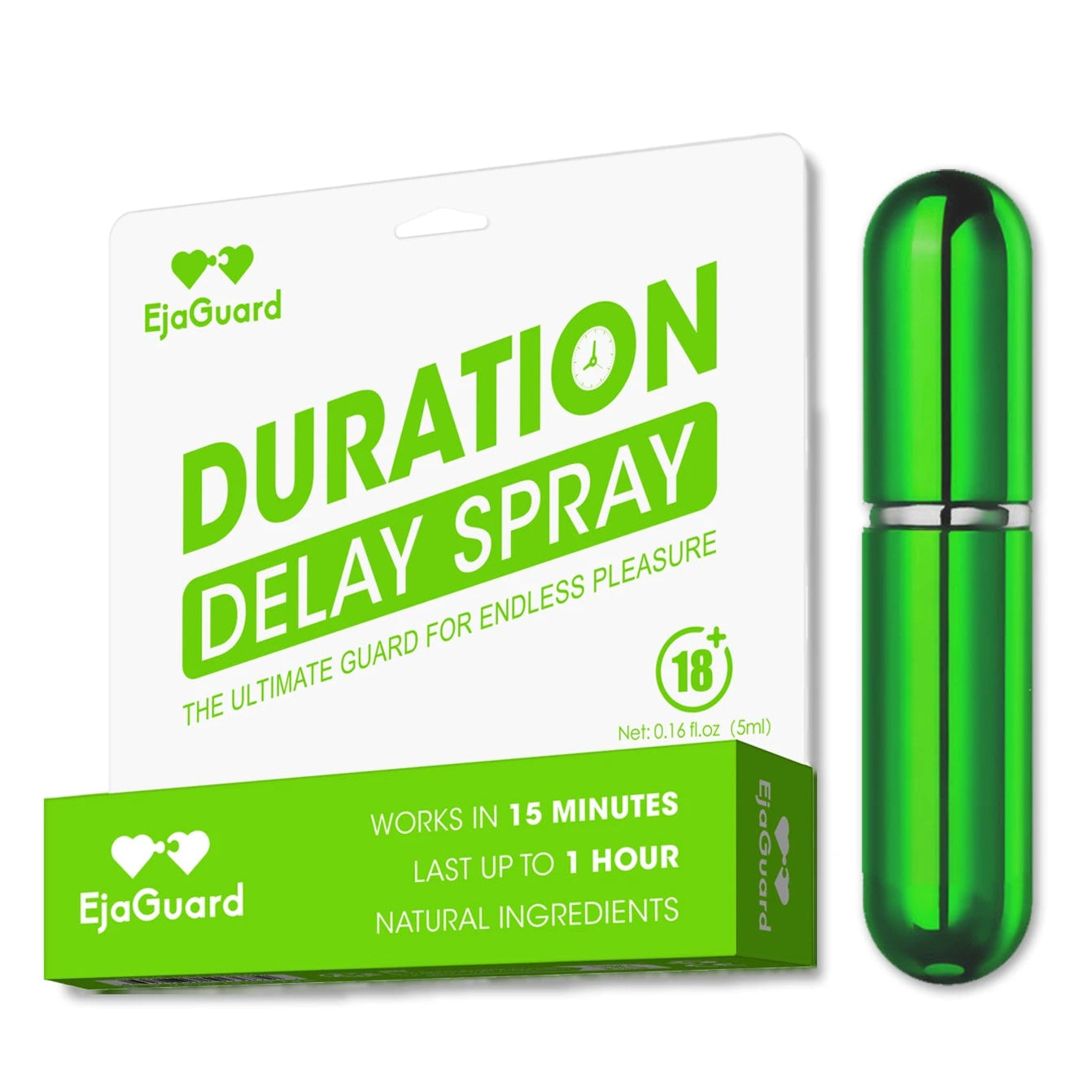
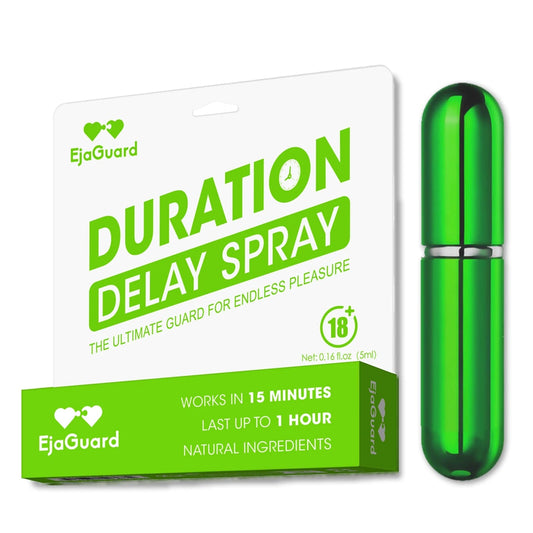
For men who are already considering a topical delay product, EjaGuard is one example in this category.
Its current FAQ provides product-specific directions, including starting with 3 sprays and using up to 10 sprays, with a stated waiting period of 15–30 minutes. Those instructions are specific to EjaGuard and should not automatically be applied to other delay sprays.
The important distinction is simple:
A delay spray may address the symptom of rapid ejaculation.
Medical treatment addresses an underlying thyroid disorder if one is present.
In some situations, both approaches may have a place—but they are not interchangeable.

When Should You Talk to a Doctor?
A change in ejaculation does not automatically mean something is wrong with your overall health.
Sexual function naturally varies.
However, medical evaluation becomes more reasonable when the change is persistent, significant, or accompanied by other symptoms.
Consider speaking with a healthcare professional if you notice:
- A new and persistent change in ejaculation
- Symptoms of hyperthyroidism
- Unexplained weight loss
- Persistent rapid or irregular heartbeat
- Significant tremors
- Unusual sweating or heat intolerance
- Major sleep changes
- Persistent fatigue or weakness
- Swelling around the thyroid area
- Erectile or libido changes occurring at the same time
- Significant distress related to the change
Hyperthyroidism cannot be diagnosed from symptoms alone. Healthcare professionals typically use medical history, physical examination, and thyroid blood tests to investigate thyroid function.
How Is Premature Ejaculation Diagnosed?
NIDDK — Thyroid Tests and Diagnosis
This is especially important because thyroid symptoms overlap with many other conditions.
Trying to diagnose yourself based on a list of symptoms online can easily lead you in the wrong direction.
A better approach is to notice patterns, document meaningful changes, and discuss them with a qualified healthcare professional.
Frequently Asked Questions
Can an overactive thyroid cause premature ejaculation?
Research suggests that hyperthyroidism is associated with a higher likelihood of PE, but the exact causal relationship has not been fully established.
The evidence supports an association rather than a simple statement that hyperthyroidism directly causes PE in every man.
Premature Ejaculation: An Ultimate Guide for Men
Can treating hyperthyroidism improve premature ejaculation?
It may.
Several studies have reported improvements in ejaculation latency after treatment of hyperthyroidism. However, treatment should focus on the thyroid disorder itself rather than assuming that treating hyperthyroidism will automatically cure PE.
PubMed — Hyperthyroidism and Sexual Function
Does hypothyroidism cause premature ejaculation?
Hypothyroidism is more commonly associated with delayed ejaculation and other sexual difficulties rather than PE.
This illustrates why thyroid disorders can affect ejaculation in different ways depending on the underlying condition.
Should men with PE ask for thyroid testing?
Not automatically.
Routine laboratory testing isn't recommended for every man with PE. Testing can be considered when the medical history or other symptoms provide a reason to suspect thyroid dysfunction.
EAU Guidelines on Sexual and Reproductive Health
Can thyroid problems affect erections too?
Yes.
Research has found an association between thyroid dysfunction and sexual problems, including erectile dysfunction. A recent systematic review found a substantially higher prevalence of erectile dysfunction among participants with hyperthyroidism compared with controls.
ISSM — Thyroid Problems and Erectile Dysfunction
Is PE always caused by a medical condition?
No.
PE can involve multiple factors, and many men with PE do not have an identifiable underlying medical disease.
This is particularly important when discussing lifelong PE, which can have a different clinical picture from acquired PE. The EAU distinguishes lifelong, acquired, variable and subjective forms of PE.
Can a delay spray fix PE caused by thyroid disease?
A delay spray may help manage ejaculation symptoms, but it does not treat thyroid disease.
If thyroid dysfunction is contributing to acquired PE, the underlying condition should be evaluated and treated separately.
What Is the Use of Delay Spray?
Is a sudden change in ejaculation something to worry about?
Not necessarily.
Sexual function can change for many reasons.
But a persistent change—especially one that occurs alongside other unexplained physical symptoms—is worth discussing with a healthcare professional.
The Bottom Line
Premature ejaculation isn't always an isolated sexual-function problem.
In some men, especially those with acquired PE, changes in general health may be part of the bigger picture.
Thyroid disorders are one example.
Research has found an association between hyperthyroidism and premature ejaculation, while hypothyroidism has more commonly been associated with delayed ejaculation. Studies also suggest that treating thyroid dysfunction may improve ejaculation latency in some men, although the evidence is not strong enough to say that thyroid disease directly causes PE in every case.
The EAU guidelines similarly identify hyperthyroidism as a possible comorbidity in acquired PE and recommend addressing underlying causes when they are present.
Ejaculation Control vs. Ejaculation Time: What Really Matters for PE?
The practical lesson is simple:
Don't look at ejaculation time in isolation.
If you've always experienced PE and otherwise feel healthy, thyroid disease may not be relevant to your situation.
But if your ejaculation pattern has changed unexpectedly and you've also noticed symptoms such as unexplained weight loss, rapid heartbeat, tremors, sweating, heat intolerance, or major sleep changes, it may be worth discussing thyroid function with a healthcare professional.
And if you're using a delay spray as part of your approach, remember what it is designed to do: help manage penile sensitivity and ejaculation control. It isn't a treatment for an underlying endocrine condition.
Sometimes the most useful step isn't finding a stronger way to delay ejaculation.
It's understanding why the pattern changed in the first place.

