

 Buy Now

Does Meloxicam Make You Sleepy? Everything You Need to Know

Introduction: Does Meloxicam Make You Sleepy?
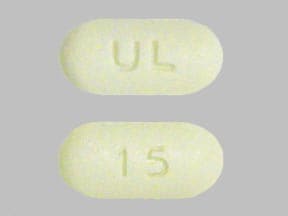
Many people take meloxicam to reduce swelling, stiffness, or pain caused by arthritis and other conditions. But some report feeling drowsy or tired after starting the drug.
So, does meloxicam make you sleepy? It’s not a primary side effect, but it can happen in certain cases. Understanding how this medication works will help you know what to expect.
For more wellness insights and body-awareness topics, you can explore related articles on the EjaGuard Blog.
What is Meloxicam?

Meloxicam is a nonsteroidal anti-inflammatory drug (NSAID). It works by blocking certain enzymes (COX-1 and COX-2) that produce prostaglandins—chemicals responsible for inflammation and pain.
Doctors often prescribe meloxicam for:
-
Osteoarthritis
-
Rheumatoid arthritis
-
Juvenile arthritis
-
Acute musculoskeletal pain
Because it’s long-acting, you typically take it once daily, unlike other NSAIDs that require multiple doses.
Common Side Effects of Meloxicam
While meloxicam is effective, it can have side effects. Most people tolerate it well, but here are some common and uncommon reactions:
Common side effects:
-
Upset stomach or indigestion
-
Diarrhea
-
Nausea
-
Headache
-
Dizziness
Less common but possible:
-
Fatigue or drowsiness
-
Fluid retention or swelling
-
Elevated blood pressure
-
Skin rash
In most cases, meloxicam side effects are mild and go away with time. However, it’s important to monitor how your body reacts, especially when starting a new prescription.
If discomfort affects intimacy, EjaGuard orgasm gels can help enhance sensitivity and make experiences more enjoyable.
Can Meloxicam Cause Drowsiness or Fatigue?

Here’s the big question: Does meloxicam make you sleepy?
The answer: It can, but not for everyone.
Sleepiness and fatigue are considered uncommon side effects. Clinical studies show they occur in less than 2% of patients. Still, some users report feeling tired, sluggish, or even mildly sedated after taking meloxicam.
When tiredness affects performance during intimacy, users sometimes benefit from products like the EjaGuard Delay Spray to help maintain control.
Why might meloxicam cause drowsiness?
-
CNS response: In rare cases, meloxicam may affect the central nervous system, leading to fatigue or dizziness.
-
Pain relief itself: If you're used to living with chronic pain, finally experiencing relief may cause a natural let-down effect—making you feel relaxed or sleepy.
-
Interaction with other meds: Combining meloxicam with sedatives, alcohol, or antihistamines can amplify sleepiness.
If you notice consistent drowsiness, it's worth checking with your healthcare provider. You might need a dosage change or a different medication.
What to Avoid When Taking Meloxicam

To avoid unwanted side effects like sleepiness or complications, keep these precautions in mind:
1. Avoid alcohol
Mixing meloxicam with alcohol increases the risk of stomach bleeding and drowsiness.
2. Limit other NSAIDs
Don’t combine meloxicam with ibuprofen, naproxen, or aspirin unless directed by your doctor. This could lead to side effects or overdose.
3. Be cautious with sedatives
Medications that make you sleepy—like antihistamines, muscle relaxers, or sleep aids—may intensify fatigue.
4. Avoid driving at first
Until you know how meloxicam affects you, avoid activities that require alertness like driving or operating heavy machinery.
Even though meloxicam isn’t a sedative, it’s wise to monitor your body’s reaction—especially during the first few days.
If you prefer natural comfort enhancers during intimacy while avoiding medication interactions, EjaGuard lubricants provide a safe, non-drug option.
Tips for Managing Drowsiness from Meloxicam

If you suspect that meloxicam is making you tired, here are some tips:
✅ Take it at night
If drowsiness is an issue, consider taking your dose in the evening. Check with your doctor before changing the schedule.
✅ Stay hydrated
Fatigue can worsen with dehydration. Drink plenty of water throughout the day.
✅ Watch your diet
Avoid heavy meals when taking meloxicam—especially those high in fat, as they can interfere with absorption and increase side effects.
✅ Avoid stimulants later in the day
Don’t counter fatigue with caffeine or energy drinks. This can disrupt your sleep cycle and make things worse.
✅ Talk to your doctor
If fatigue becomes a regular issue, your doctor may adjust your dose or explore alternative NSAIDs that don’t impact alertness.
Conclusion: Should You Worry About Sleepiness?

So, does meloxicam make you sleepy?
For most people, no—meloxicam doesn’t typically cause drowsiness. But for a small number of users, mild fatigue or dizziness can occur. It’s not classified as a sedative, but the possibility of tiredness is there, especially when combined with other medications.
As with any prescription, your experience will depend on your body, dosage, and overall health. Monitor how you feel and talk to your doctor about any unusual symptoms.
Bottom line: Meloxicam can make you sleepy, but it’s uncommon. If you’re concerned, be proactive and talk to your healthcare provider for personalized guidance.
FAQs About Meloxicam and Sleepiness
Does meloxicam make you tired during the day?
Yes, but rarely. Some users report fatigue, especially in the first few days of use. It’s best to monitor how your body reacts.
Can I drive while taking meloxicam?
Most people can drive safely, but if you feel sleepy or dizzy, wait until symptoms fade.
Is meloxicam a sedative?
No. Meloxicam is not classified as a sedative, though it may cause tiredness in a small number of users.
How long does meloxicam stay in your system?
Meloxicam has a long half-life of about 15-20 hours, meaning it stays in your system for over a day. That's why it’s usually taken once daily.
