

 Buy Now
First Time Sex: What to Expect During the Sex of a Virgin

Introduction

Everyone remembers their first time. But when it comes to the sex of a virgin, it’s often surrounded by fear, myths, and anxiety.
Whether you’re curious, nervous, or just preparing, this guide offers a safe, honest, and practical approach to your first sexual experience. We’ll walk through physical expectations, emotional readiness, and tips to make your first time meaningful—not just memorable.
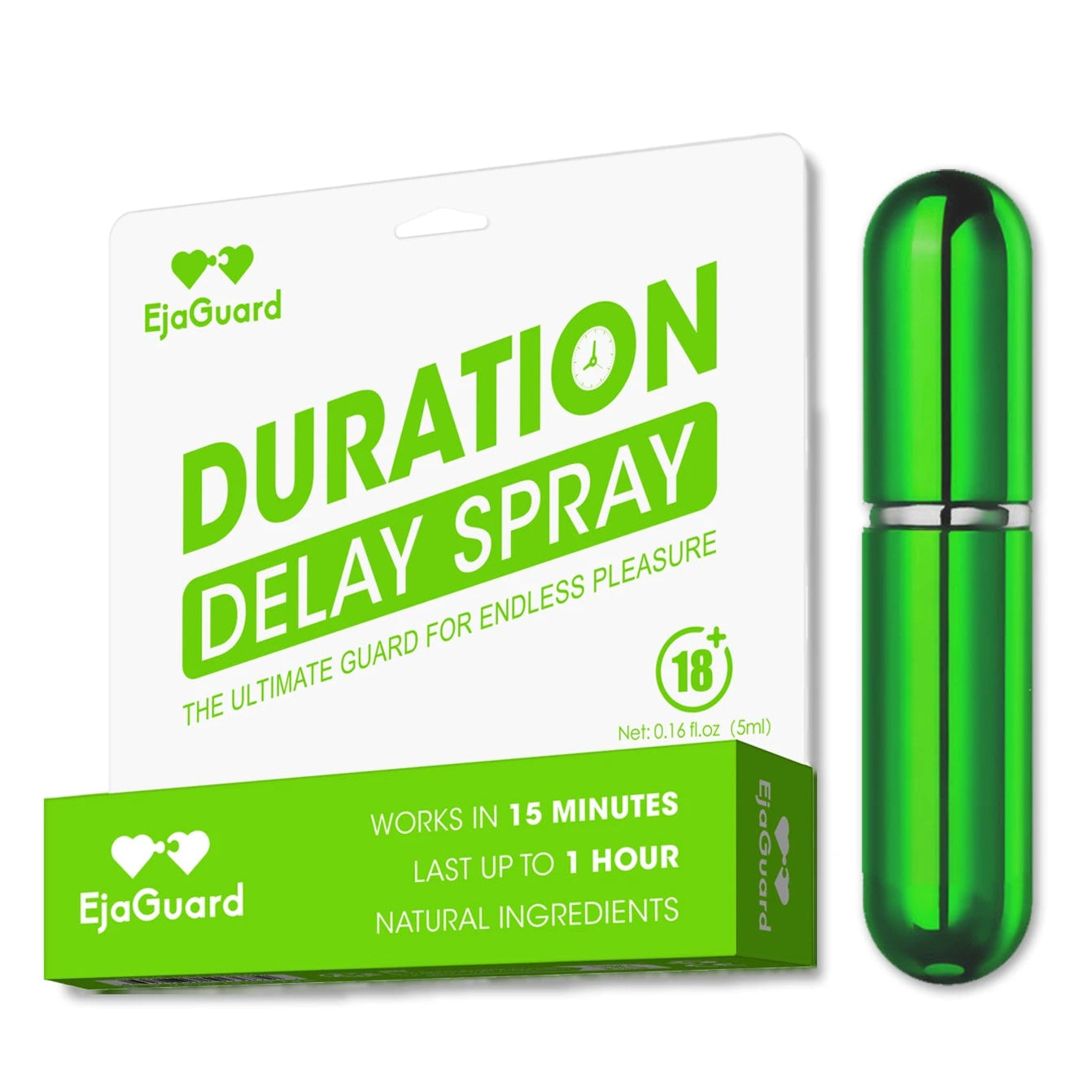
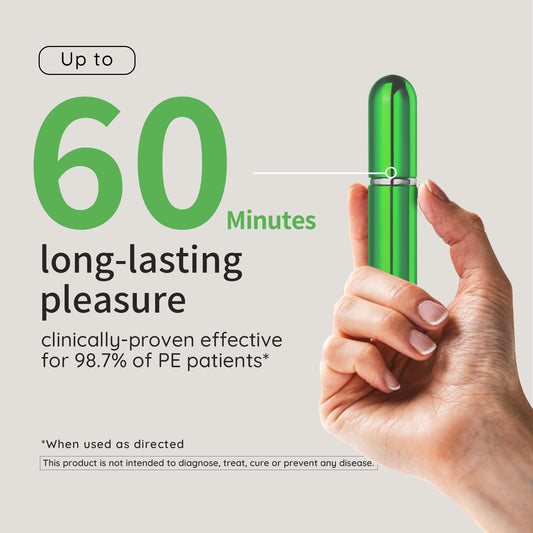
For many people preparing for their first sexual experience, performance anxiety is just as common as curiosity—products like the EjaGuard Delay Spray can help reduce stress by supporting better control and confidence. Sexual health educators at Planned Parenthood emphasize that feeling emotionally prepared is just as important as physical readiness.
What Does 'Sex of a Virgin' Mean?

The term sex of a virgin typically refers to someone having penetrative intercourse for the very first time.
In most cases, it’s someone who hasn’t engaged in vaginal, anal, or oral sex. However, virginity is a personal and cultural concept—so what it means can vary from one person to another.
For many, losing virginity is a milestone, often filled with curiosity and nerves. Understanding what to expect helps ease fears and encourages a more relaxed, respectful experience.
Is Virgin Sex Painful? Myths vs Reality

One of the biggest fears around first time sex is pain—especially for those with vaginas. So, does virginity hurt?
Here’s the truth:
-
For people with vaginas: There can be mild discomfort or stretching, especially if the hymen is still intact. But pain isn’t a guarantee.
-
For people with penises: The anxiety of performance may affect erection or stamina, but there’s no physical pain associated with first-time sex.
Common Myths:
-
You will bleed a lot: Not true for everyone. Some don’t bleed at all.
-
It must hurt to be real: Discomfort can happen, but pain isn’t a requirement.
-
Virginity is a physical marker: It’s not. It’s more about experience than a physical state.
With good communication, consent, and lubrication, first-time sex can feel more comfortable than you think.
One of the most effective ways to reduce discomfort during first-time sex is proper lubrication—many beginners benefit from using EjaGuard water-based lubricants to minimize friction and anxiety. According to medical guidance from the Mayo Clinic, lubrication and relaxation significantly reduce pain during initial intercourse.
How to Prepare for Your First Time

Preparation is more than grabbing a condom. It’s about mental, physical, and emotional readiness.
1. Talk Openly With Your Partner
-
Ask about boundaries, comfort levels, and expectations.
-
Share any nervousness—it builds trust.
2. Use Protection
-
Condoms are essential for preventing pregnancy and STIs.
3. Set the Mood
-
Choose a private, safe, and relaxing space.
-
Light music or soft lighting can ease tension.
4. Use Lubrication
-
Lube reduces friction and makes penetration smoother.
-
Water-based lubes are beginner-friendly.
5. Foreplay Is Key
-
Kissing, touching, and exploring increase comfort.
-
It helps both partners feel more connected and ready.
Knowing how to prepare for losing virginity is one of the best ways to reduce stress and increase enjoyment. Beyond condoms and lube, exploring educational resources can help first-timers feel more prepared—articles in the EjaGuard Blog break down common first-time concerns in a judgment-free way. Sexual health experts at NHS UK also stress that preparation and communication reduce fear and increase comfort.
Emotional Readiness & Consent
Sex isn't just physical—it’s deeply emotional. Especially the first time.
Ask yourself:
-
Do I feel safe with this person?
-
Am I doing this for me—not for pressure or approval?
-
Am I emotionally ready to handle the connection that sex might bring?
Consent is not optional—it must be:
-
Freely given
-
Clear
-
Ongoing
-
Enthusiastic
If either partner is unsure, it’s okay to wait. There’s no deadline for your first time.
Safe Sex & Protection
Virgin or not, safe sex matters.
Must-Have Safe Practices:
-
Use condoms to protect against STIs and pregnancy.
-
Discuss sexual history (honestly and respectfully).
-
Don’t skip the lube—especially for first-time vaginal or anal sex.
-
Pee after sex (especially for people with vaginas) to prevent UTIs.
Protection isn’t just physical—it also means respecting each other’s comfort levels and emotional needs.
First Time Sex Tips for Him & Her
For Women Having Sex for the First Time:
-
Use your voice. Tell your partner what feels good—or not.
-
Try being on top if you want more control over depth and rhythm.
-
Breathe and relax. Tension can make it harder to enjoy.
-
Use lube generously.
For Men Having Sex for the First Time:
-
Take your time. Rushing may lead to discomfort or early climax.
-
Focus on foreplay. It’s not just about penetration.
-
Wear a condom—every time.
-
Check in with your partner. Be attentive, not just physical.
Knowing these first time intercourse tips can help both partners feel more in sync, safe, and satisfied.
For couples focused on comfort and pleasure rather than pressure, intimacy aids like EjaGuard orgasm gels or beginner-friendly sex toys can help ease tension and encourage exploration. Research summarized by Healthline shows that arousal and emotional safety play a bigger role in satisfaction than experience level.
What Happens After Virginity Is Lost?

There’s no universal shift after you lose your virginity—but here’s what can happen:
-
You may feel closer to your partner.
-
You might feel emotional—happy, confused, relieved.
-
Your body may feel sore the next day (especially if tense).
-
You may crave more intimacy or need some space—both are okay.
There’s no right or wrong reaction. Give yourself space to process the experience and talk openly if needed.
Conclusion
Your first sexual experience is personal—and it should feel safe, respectful, and empowering.
The sex of a virgin doesn’t have to be scary or painful. With honest communication, preparation, and care, it can be a positive memory instead of a pressured milestone.
If you're not ready—that's okay too. Virginity isn’t a race. It’s a decision you get to make for yourself, on your own time.
FAQs
What is the sex of a virgin like?
It can range from exciting and emotional to slightly awkward. With preparation and mutual respect, it can be a positive and comfortable experience.
Does first-time sex hurt for girls?
It might feel slightly uncomfortable due to stretching, but it shouldn't be extremely painful. Lube and relaxation help a lot.
How to make first-time sex comfortable?
Take things slow, focus on foreplay, communicate openly, and use lubrication.
What to do before losing your virginity?
Have a clear, honest conversation with your partner. Prepare with protection and make sure you feel emotionally ready.
Can you get pregnant the first time?
Yes, if no protection is used. Always use a condom, even during your first time.
