

 Buy Now

Tretinoin vs Retinol: Which One Is Right for Your Skin?

What Is Retinol?

Retinol is a type of retinoid that’s widely available over-the-counter. It’s a derivative of vitamin A, commonly found in creams and serums targeted at reducing fine lines, dullness, and mild acne.
Unlike tretinoin, retinol needs to convert twice in the skin—first to retinaldehyde, then to retinoic acid (the active form). This makes it:
-
Gentler on skin
-
Slower to show results
-
Ideal for beginners and sensitive skin types
You’ll often see retinol in anti-aging products marketed to those just starting a skincare routine. While the effects are milder, consistent use can still improve texture, fade dark spots, and support collagen production.
For more skincare and wellness education, you can explore additional guides on the EjaGuard Blog.
What Is Tretinoin?

Tretinoin, also known by brand names like Retin-A, is a prescription-strength retinoid. Unlike retinol, it is pure retinoic acid—so it doesn’t need conversion. That means:
-
It works faster and more effectively
-
Side effects can be stronger
-
It's recommended for persistent acne or deep wrinkles
Tretinoin was first FDA-approved for acne, but its collagen-boosting benefits have made it a favorite in anti-aging routines too. Because of its potency, it’s usually prescribed by dermatologists and comes in various strengths (e.g., 0.025%, 0.05%, 0.1%).
If tretinoin dryness affects comfort during intimacy, EjaGuard lubricants can help reduce irritation and support sensitivity.
Tretinoin vs Retinol: Key Differences
| Feature | Tretinoin | Retinol |
|---|---|---|
| Strength | High (prescription only) | Mild to moderate (OTC) |
| Speed of results | 6–12 weeks | 12+ weeks |
| Irritation potential | Higher | Lower |
| Cost | Insurance may cover it | Widely available, lower price |
| Best for | Moderate to severe acne, deep wrinkles | Beginners, sensitive skin |
So, what’s the main difference between tretinoin and retinol?
Tretinoin is significantly more powerful and delivers faster results—but comes with more peeling, redness, and irritation. Retinol is slower but more forgiving.
Which One Is Better for Acne?
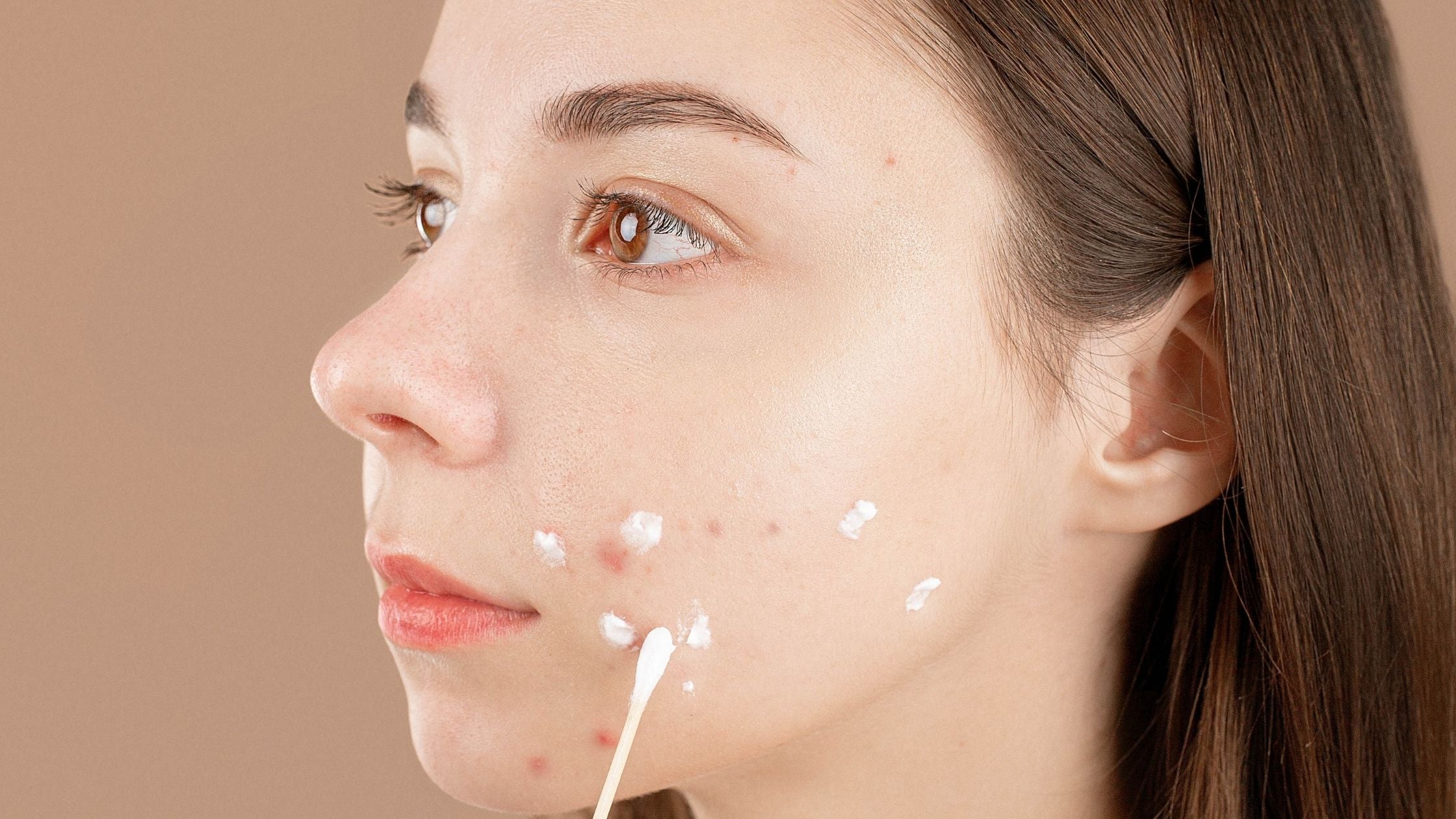
Tretinoin is generally better for treating moderate to severe acne. It unclogs pores, reduces inflammation, and prevents new breakouts. It’s often part of a dermatologist-prescribed regimen.
On the other hand, retinol is suitable for mild acne or occasional breakouts. It works well for people who want to gently improve their skin without jumping straight to prescription strength.
If acne or irritation impacts your confidence during intimacy, EjaGuard lubricants can help support comfort when skin feels sensitive.
💡 Pro Tip: If you’re new to retinoids and have acne-prone skin, start with retinol and see how your skin adjusts before switching to tretinoin.
Tretinoin vs Retinol for Wrinkles and Anti-Aging

Both ingredients help fight signs of aging, but tretinoin is more effective. It boosts collagen production, reduces deep-set wrinkles, and evens out pigmentation faster than retinol.
However, tretinoin’s strength comes with drawbacks—more peeling, redness, and purging. Retinol is better for prevention, early-stage wrinkles, and for those with sensitive skin.
✅ If your goal is long-term anti-aging but you're new to retinoids, consider starting with retinol and moving up to tretinoin later.
For more anti-aging, self-care, and confidence-boosting tips, you can visit the EjaGuard Blog.
Side Effects: What to Expect
Retinoids can cause temporary irritation, especially in the beginning.
Common Side Effects:
-
Dryness
-
Peeling or flaking
-
Redness
-
Sensitivity to sunlight
-
Purging (worsening of acne before it improves)
Tretinoin is more likely to cause side effects due to its strength. Retinol is much gentler and usually better tolerated for daily use.
💧 Moisturize well and use SPF to reduce side effects no matter which one you choose.
Who Should Use Retinol vs Tretinoin?
| Skin Type | Best Option |
|---|---|
| Beginners | Retinol |
| Sensitive Skin | Retinol (low strength) |
| Persistent Acne | Tretinoin |
| Deep Wrinkles | Tretinoin |
| Preventative Anti-Aging | Retinol |
If you're asking 'retinol or tretinoin for beginners?', the answer is simple: start with retinol. It gives your skin time to build tolerance before you graduate to stronger products.
Tips for Safe Use and Layering
Want to avoid the ‘retinoid burn’? Here’s how to ease your way in:
-
Start slow: 2–3 times a week, then increase
-
Apply at night only
-
Always use sunscreen the next day
-
Follow with a moisturizer to reduce irritation
-
Avoid mixing with strong exfoliants (like AHAs or BHAs)
If you’re using tretinoin, give your skin at least 20 minutes after washing before applying to minimize irritation.
Conclusion: Retinol or Tretinoin?
So, which one wins the tretinoin vs retinol debate?
👉 Choose Retinol if you:
-
Are new to retinoids
-
Have sensitive or dry skin
-
Want gradual, gentle results
👉 Choose Tretinoin if you:
-
Have moderate to severe acne
-
Are tackling deep wrinkles
-
Can tolerate stronger formulas
Either way, both are powerful tools for healthier, clearer skin. Start where you're comfortable and level up as your skin adapts.
🛒 Ready to get started? Look for dermatologist-approved products with your preferred retinoid and begin your skin transformation journey today.
FAQs
What’s the difference between tretinoin and retinol?
Tretinoin is a prescription-strength retinoid (pure retinoic acid), while retinol is an over-the-counter form that needs to convert in the skin. Tretinoin works faster and stronger but has more side effects.
Is tretinoin better than retinol for wrinkles?
Yes, tretinoin is more effective at reducing deep wrinkles and fine lines, but it’s also more irritating. Retinol works well for mild to moderate signs of aging.
Can beginners use tretinoin?
Beginners should start with retinol. Tretinoin can be too harsh initially. Once your skin adapts, you can transition to prescription options.
How long does it take for retinol to work?
It typically takes 12–24 weeks to see visible results with retinol. Consistency is key.
Does tretinoin have more side effects than retinol?
Yes. Because tretinoin is stronger, it's more likely to cause dryness, peeling, and irritation—especially in the early weeks.
