

 Buy Now

Ventolin Ventolin: Uses, Dosage, Side Effects, and Safety Guide

What Is Ventolin?

Ventolin is a brand name for albuterol sulfate. It is a bronchodilator.
That means it helps open your airways.
The most common form is the Ventolin inhaler. It delivers medicine directly to your lungs.
Doctors prescribe ventolin ventolin for:
-
Asthma
-
Exercise-induced bronchospasm
-
Chronic obstructive pulmonary disease (COPD)
-
Sudden breathing problems
It is considered a rescue inhaler. It works fast when symptoms appear.
For more wellness education related to respiratory health, metabolism, and stress, you can explore the EjaGuard Blog for easy-to-understand health guides.
How Ventolin Works in the Body
When you have asthma, the muscles around your airways tighten. This makes breathing hard.
Ventolin relaxes those muscles.
Here is what happens:
-
You inhale the medication.
-
It reaches your lungs quickly.
-
It stimulates beta-2 receptors.
-
Airway muscles relax.
-
Breathing becomes easier.
Most people feel relief within 5 minutes.
The effects usually last 4 to 6 hours.
That is why ventolin ventolin is often called a quick-relief inhaler.
If breathing difficulty or chronic respiratory stress affects your energy or intimacy, gentle comfort-enhancing products such as EjaGuard Lubricants may support relaxation and overall well-being.
Medical Uses of Ventolin Ventolin
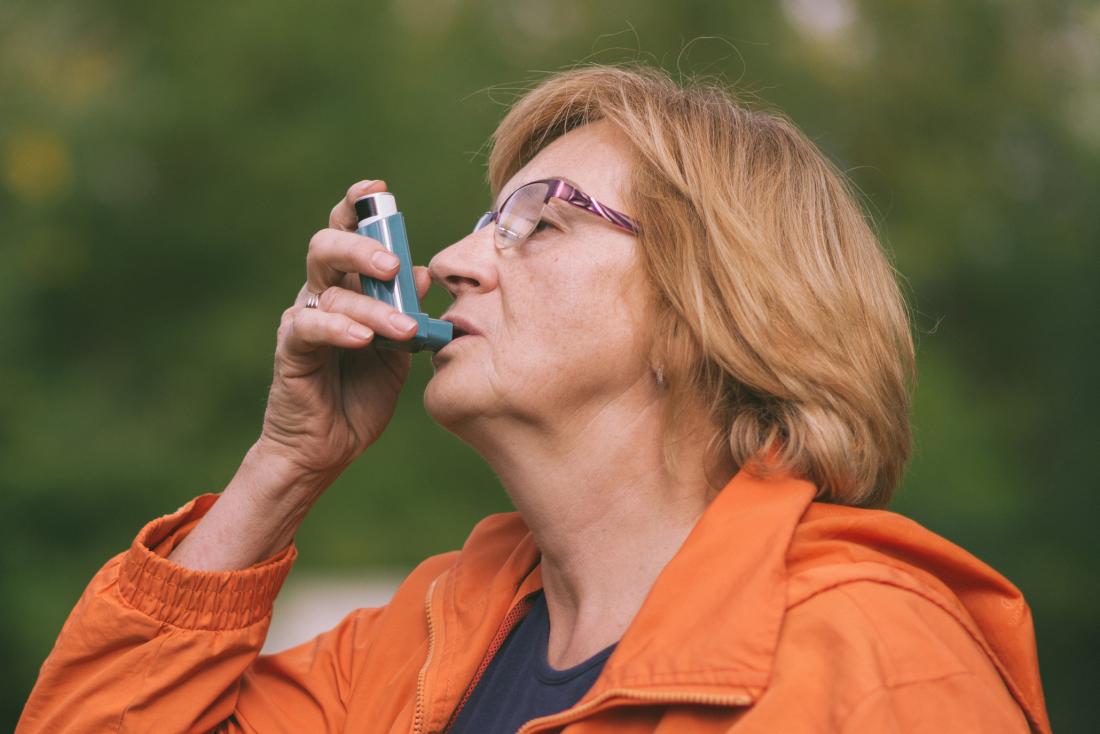
Let’s look at the main ventolin uses.
Asthma Relief
This is the most common reason for prescribing ventolin ventolin.
It helps stop:
-
Wheezing
-
Shortness of breath
-
Chest tightness
-
Coughing
It does not cure asthma. It only treats symptoms.
Exercise-Induced Bronchospasm
Some people get breathing problems during exercise.
Doctors may recommend using ventolin 15 to 30 minutes before activity.
This helps prevent airway tightening.
COPD Support
People with chronic obstructive pulmonary disease may also use ventolin inhaler.
It helps reduce sudden flare-ups.
For helpful wellness insights on exercise, stress, and breathing performance, you can find related articles on the EjaGuard Blog.
Ventolin Dosage Guide
Always follow your doctor’s instructions.
Here is general guidance for ventolin dosage.
Adults and Children Over 4 Years
-
1 to 2 puffs every 4 to 6 hours as needed
-
Maximum depends on doctor advice
For Exercise Prevention
-
2 puffs 15 to 30 minutes before activity
Do not exceed recommended doses.
Using ventolin ventolin too often may reduce its effectiveness.
If you need it more than twice per week, talk to your doctor.
If chronic respiratory issues reduce your stamina or confidence, supportive tools like the EjaGuard Delay Spray can help maintain performance and comfort in other areas of your wellness routine.
Possible Side Effects

Like all medications, ventolin can cause side effects.
Most are mild.
Common Ventolin Side Effects
-
Shakiness
-
Nervousness
-
Headache
-
Fast heartbeat
-
Throat irritation
These usually go away quickly.
Serious Side Effects
Seek medical help if you notice:
-
Chest pain
-
Severe dizziness
-
Worsening breathing
-
Allergic reaction
Ventolin side effects are rare but possible.
Always monitor your response.
Ventolin vs Albuterol: Is There a Difference?
Many people ask: is ventolin the same as albuterol?
Short answer: Yes.
Albuterol is the generic name.
Ventolin is a brand name.
Other brands include:
-
ProAir
-
Proventil
The active ingredient is the same.
However, inhaler devices may differ slightly.
So ventolin ventolin and albuterol work in the same way.
Who Should Not Use Ventolin?

You should speak to a doctor before using ventolin inhaler if you have:
-
Heart disease
-
High blood pressure
-
Thyroid disorders
-
Diabetes
-
Seizure disorders
Pregnant or breastfeeding women should consult a healthcare provider.
Ventolin may increase heart rate. This is important for people with heart conditions.
If chronic conditions affect energy or intimacy, some people find added support through comfort products like EjaGuard Lubricants while managing symptoms.
Drug Interactions
Ventolin may interact with certain medications.
These include:
-
Beta blockers
-
Diuretics
-
Antidepressants
-
Other bronchodilators
Tell your doctor about all medications you take.
Even supplements can matter.
This reduces risk of ventolin interactions.
Safety Tips for Proper Use
Using ventolin ventolin correctly improves results.
Here are simple safety tips:
-
Shake inhaler before use
-
Exhale fully before inhaling
-
Press inhaler while breathing in slowly
-
Hold breath for 10 seconds
-
Wait 1 minute between puffs
Clean your inhaler regularly.
Replace it when dose counter reaches zero.
Never share your inhaler.
FAQs About Ventolin Ventolin
What is ventolin ventolin used for?
It is used to relieve asthma symptoms and breathing problems quickly.
How fast does ventolin work?
Most people feel relief within 5 minutes.
Can you use ventolin daily?
Yes, but frequent use may mean asthma is not well controlled.
Speak to your doctor if you need it often.
Is ventolin safe for children?
Yes, when prescribed properly.
Always follow pediatric dosage instructions.
Can ventolin cause a fast heartbeat?
Yes. This is a common temporary side effect.
Conclusion
Breathing should feel natural. Not stressful.
Ventolin ventolin plays a critical role in fast asthma relief. It relaxes airway muscles quickly and helps restore normal breathing.
But it is not a cure.
Use it as directed. Monitor symptoms closely. And talk to your doctor if you need frequent doses.
Understanding how ventolin ventolin works gives you control. And when it comes to breathing, control matters.
