

 Buy Now


Blepharitis Eyelash Mites: Symptoms, Causes, and Best Treatments

What Are Eyelash Mites?
Eyelash mites are microscopic parasites called demodex mites. They naturally live in hair follicles and oil glands.
There are two main types:
-
Demodex folliculorum
-
Demodex brevis
In small numbers, they are harmless. In fact, most adults have them.
Problems begin when these mites multiply too quickly. That is when blepharitis eyelash mites become a concern.
Overgrowth leads to irritation, inflammation, and infection of the eyelid margins. This condition is known as demodex blepharitis.
For readers exploring natural wellness and hygiene tips that support skin and eye health, the EjaGuard Blog offers easy-to-follow guides on inflammation, immunity, and daily care habits.
How Blepharitis Eyelash Mites Develop

Blepharitis is inflammation of the eyelids. When caused by mites, it is called demodex blepharitis.
The mites feed on:
-
Dead skin cells
-
Oils from glands
-
Debris around lashes
As they grow in number, they clog hair follicles. They also leave waste behind, which triggers immune reactions.
This leads to swelling, redness, and crusting at the base of the lashes.
If left untreated, the irritation can become chronic. Many people mistake it for allergies or dry eye.
Maintaining good hygiene and low-inflammation habits is important; related wellness guidance can be found on the EjaGuard Blog for individuals looking to support whole-body health.
Symptoms of Blepharitis from Eyelash Mites

Not sure if you have demodex mites on eyelashes? Here are common signs:
-
Itchy eyelids, especially in the morning
-
Burning or stinging sensation
-
Red or swollen eyelid margins
-
Crusty debris at lash base
-
Flaky dandruff-like buildup
-
Watery or irritated eyes
-
Feeling like something is in your eye
One key sign of blepharitis eyelash mites is cylindrical dandruff. This is a waxy sleeve around the lash base.
If symptoms keep coming back, mites could be the root cause.
Because chronic eye irritation can also impact intimacy, sleep, and overall comfort, some users incorporate gentle wellness tools—like EjaGuard Lubricants for soothing personal care routines—while addressing underlying mite causes.
What Causes Eyelash Mite Overgrowth?
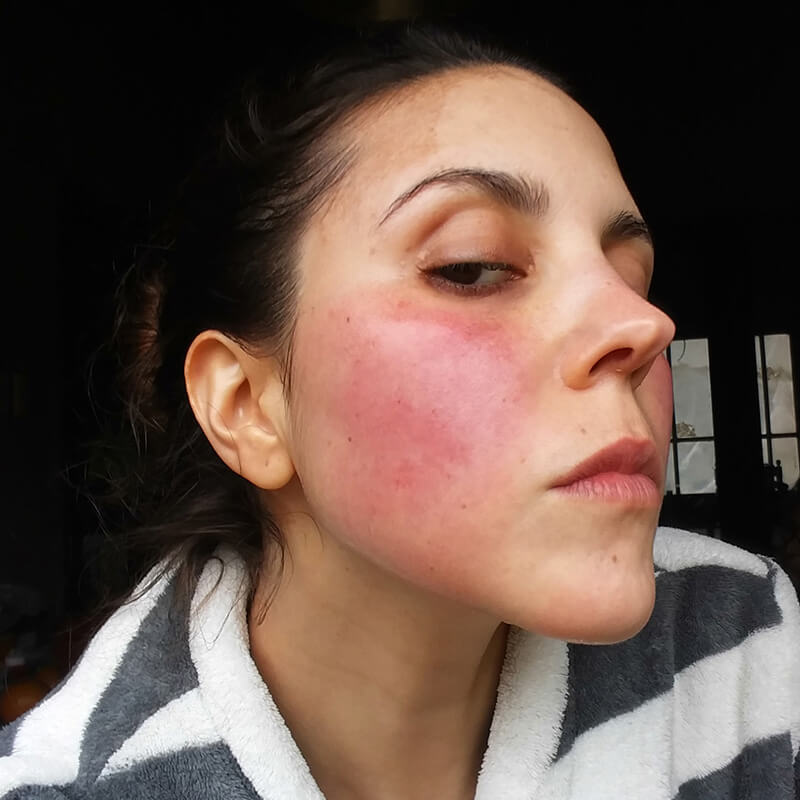
Eyelash mites are normal. So why do they sometimes overgrow?
Common triggers include:
-
Poor eyelid hygiene
-
Oily skin
-
Weakened immune system
-
Aging
-
Rosacea
-
Chronic skin inflammation
As we age, oil production changes. This creates the perfect environment for mites.
Stress and hormonal shifts may also play a role.
How to Get Rid of Blepharitis Eyelash Mites

Now the big question. How do you get rid of eyelash mites?
Treatment focuses on reducing mite numbers and improving eyelid hygiene.
1. Medical Treatments
Doctors may recommend:
-
Tea tree oil–based lid scrubs
-
Prescription medicated wipes
-
Oral medication in severe cases
-
In-office lid cleaning procedures
Tea tree oil is known to kill demodex mites. However, it must be diluted properly. Pure oil can irritate eyes.
Always follow medical guidance.
2. Demodex Treatment at Home
Many cases improve with consistent at-home care.
Steps include:
-
Warm compresses for 5 to 10 minutes
-
Gentle lid massage
-
Daily eyelid cleansing
-
Replacing old eye makeup
-
Washing pillowcases often
Avoid heavy eye makeup during treatment.
Consistency is key. Most people see improvement within several weeks.
3. Blepharitis Home Remedies
Some supportive natural options include:
-
Diluted tea tree lid cleansers
-
Hypochlorous acid sprays
-
Omega-3 supplements
-
Gentle baby shampoo scrubs
Do not over-scrub. This can worsen inflammation.
If symptoms persist, see an eye care professional.
While treating Demodex, supporting your well-being with relaxation or intimacy-enhancing products—such as those in the EjaGuard Sex Toys Collection can help reduce the stress that often worsens inflammation.
Daily Eye Hygiene Routine to Prevent Recurrence

Prevention matters. Blepharitis eyelash mites often return without maintenance.
Follow this simple routine:
-
Apply warm compress daily
-
Clean eyelids gently
-
Avoid sharing eye makeup
-
Replace mascara every 3 months
-
Remove makeup before bed
-
Wash bedding weekly
Small habits make a big difference.
When to See a Doctor
Seek medical care if you notice:
-
Vision changes
-
Severe swelling
-
Persistent pain
-
No improvement after 4 weeks
-
Frequent flare-ups
Chronic blepharitis can damage lash follicles over time. Early treatment prevents complications.
FAQs About Blepharitis Eyelash Mites
What kills eyelash mites fast?
Tea tree oil–based treatments are most effective at killing demodex mites quickly. Professional cleaning may speed results.
Can eyelash mites go away on their own?
Rarely. Without proper hygiene, mites often continue multiplying.
Is demodex blepharitis contagious?
It is not highly contagious. However, sharing makeup or bedding can spread mites.
How long does treatment take?
Most cases improve within 4 to 8 weeks with daily care. Severe cases may take longer.
Conclusion
Blepharitis eyelash mites are more common than most people think.
While eyelash mites are natural, overgrowth leads to irritation and chronic inflammation. The good news? Proper hygiene and targeted treatment can control demodex blepharitis.
If you struggle with itchy eyelids, crusty lashes, or recurring irritation, do not ignore it. Start a daily eye hygiene routine and consult a professional if needed.
Healthy eyelids mean clearer, more comfortable vision.
