

 Buy Now

Does Creatine Cause Hair Loss? The Truth Behind the Myth

What is Creatine and Why Do People Use It?

Creatine is a natural compound found in muscle cells. It helps produce energy during high-intensity exercise. Many athletes and bodybuilders use creatine supplements to boost:
-
Muscle strength
-
Workout performance
-
Recovery time
It's one of the most researched sports supplements in the world. Most people use creatine monohydrate, known for being effective and affordable.
Despite its benefits, concerns about creatine side effects—like bloating, cramps, and especially hair loss—keep popping up online. But is there real evidence behind these claims?
Let’s dig deeper.
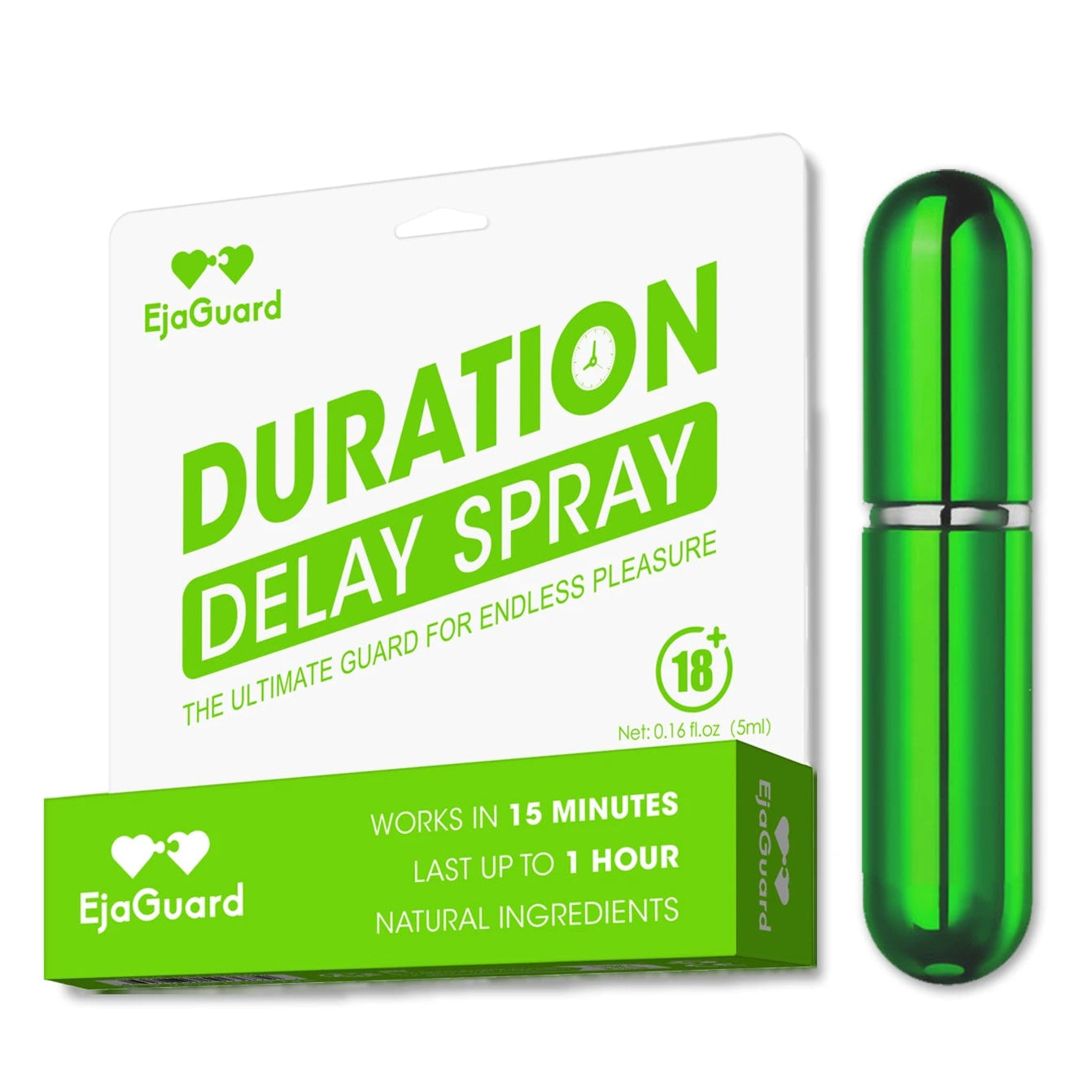
Supplementing correctly with creatine can support muscle growth and recovery — similar to how using supportive products like our EjaGuard Delay Spray can enhance your overall performance and confidence in the gym and beyond.

The Link Between Creatine and Hair Loss

So, does creatine cause hair loss?
The short answer: Not directly. But there's a reason people are concerned.
This myth largely stems from one study published in 2009. Rugby players who took creatine for three weeks had increased DHT levels—a hormone linked to hair loss. This study fueled the belief that creatine increases DHT, which in turn may lead to male pattern baldness.
However, there are problems with this assumption:
-
The study only involved 20 men.
-
It didn’t track actual hair loss—just hormone levels.
-
No follow-up studies have confirmed the same findings.
That hasn’t stopped the internet from buzzing with warnings about creatine and hair loss. In forums and YouTube comments, users often share stories of noticing shedding or a receding hairline after starting creatine.
But correlation doesn’t equal causation.
Hair loss can be triggered by a variety of factors, including stress, diet, hormones, and genetics. Creatine may be a scapegoat for issues that were already on their way.
If you’re prone to baldness or concerned about your appearance, it’s fair to question whether creatine supplements are right for you. But fear not—we’re going to look at the root (pun intended) cause next.
Before making changes to your supplementation, consider reading our EjaGuard blog post on managing hair health while training hard, especially if performance and appearance both matter to you.
Understanding DHT: The Hormone Behind Hair Loss

To understand the creatine hair loss myth, you need to understand DHT.
DHT stands for dihydrotestosterone. It’s a hormone made from testosterone. While it's crucial for male development, high DHT levels can shrink hair follicles—especially in men genetically predisposed to androgenic alopecia (aka male pattern baldness).
That 2009 study showed a 40% increase in DHT among athletes taking creatine. But here's what most people miss:
-
Their testosterone levels didn’t increase
-
Only DHT conversion increased, and it still stayed within a normal range
-
No hair loss was measured or reported
So, is DHT bad? Not exactly. It’s necessary for things like libido and muscle growth. But if baldness runs in your family, elevated DHT might speed up the process.
Still, there's no scientific proof that creatine causes permanent or rapid hair loss. Most studies show it's a safe supplement for most users—when taken in recommended doses.
If hormonal balance is a concern alongside training goals, explore our EjaGuard blog for routines that support overall wellness, from hormonal health to recovery.
What Science Says: Is Hair Loss a Proven Side Effect?

Let’s be clear: there’s no clinical evidence that creatine causes hair loss.
Aside from the single 2009 rugby study, there are no peer-reviewed studies that link creatine to hair shedding or thinning. In fact, most studies focus on the benefits of creatine for muscle performance and neurological health.
Key facts from current research:
-
Creatine is not classified as a hormone-altering supplement.
-
It doesn’t directly affect hair follicle cells.
-
Many studies involving creatine never reported hair loss as a side effect.
A 2021 review in Nutrients concluded that creatine is safe and effective for long-term use in both athletes and older adults. No mention of hair loss.
So why do some people still blame creatine?
There may be a placebo effect at play. Once someone hears that creatine may cause hair loss, they start noticing more hair in the shower or on their brush—something that could’ve happened regardless.
Other possible reasons for increased hair shedding:
-
Starting a new workout routine (physical stress)
-
Changes in sleep or nutrition
-
Genetic predisposition kicking in
In short, creatine and male pattern baldness aren’t a guaranteed match. If you're already losing hair, creatine might slightly raise DHT—but it's not going to be the root cause.
Personal Risk Factors: Genetics, Hormones & More

Here’s the deal: genetics matter more than supplements.
If your father, grandfather, or uncles experienced male pattern baldness, chances are you might too. Creatine isn’t the cause—it may just expose the timeline a little sooner.
Here are personal risk factors to consider:
-
Family history of hair loss
-
High DHT sensitivity
-
Existing scalp inflammation or thinning
-
Poor diet and sleep
Some guys try to balance creatine with hair loss supplements like saw palmetto or DHT blockers. But these should be used with caution and doctor approval.
Ultimately, your body’s chemistry plays the biggest role. Creatine doesn’t start hair loss—it might just speed up what’s already programmed.
If genetics are a concern, browse our EjaGuard product guides for items designed to support your wellness journey holistically, from scalp‑friendly nutrients to recovery enhancers.
Should You Stop Taking Creatine if You're Losing Hair?
It depends.
If you’re noticing excess shedding, you can try:
-
Taking a break from creatine for 4–6 weeks
-
Switching to a different form (like creatine HCl)
-
Using DHT-blocking shampoos or scalp serums
But don’t panic. Unless you’re seeing bald patches or rapid changes, there’s no reason to ditch creatine immediately.
For most men, creatine is safe and doesn’t harm hair health.
Still unsure? Talk to your doctor or dermatologist before making any major changes. If you're on a muscle-building journey and hair loss worries you, consider combining creatine with scalp-friendly routines, such as:
-
Cold water rinses
-
Scalp massage
-
Biotin-rich foods
Stay consistent and informed.
FAQs
Does creatine cause hair loss in men?
There’s no direct evidence, but it may slightly raise DHT, which is linked to genetic hair loss.
Does creatine increase DHT permanently?
No. DHT levels may spike temporarily, but they usually return to baseline.
Is creatine safe for long-term use?
Yes. Most research supports its safety when used as directed.
Can I use creatine if I have a family history of baldness?
Yes, but monitor any changes and talk to a healthcare provider if concerned.
Conclusion & Final Thoughts
So, does creatine cause hair loss? Probably not.
Unless you're genetically predisposed to hair loss and highly sensitive to DHT, creatine won’t be the villain. The science is limited and inconclusive. But the myths? They're everywhere.
Creatine remains one of the safest, most effective supplements for physical performance.
If you're still worried, take breaks, try a different form, or support your scalp health with proven methods.
💡 Want the muscle without the myth? Stay smart, stay safe, and supplement wisely.
