

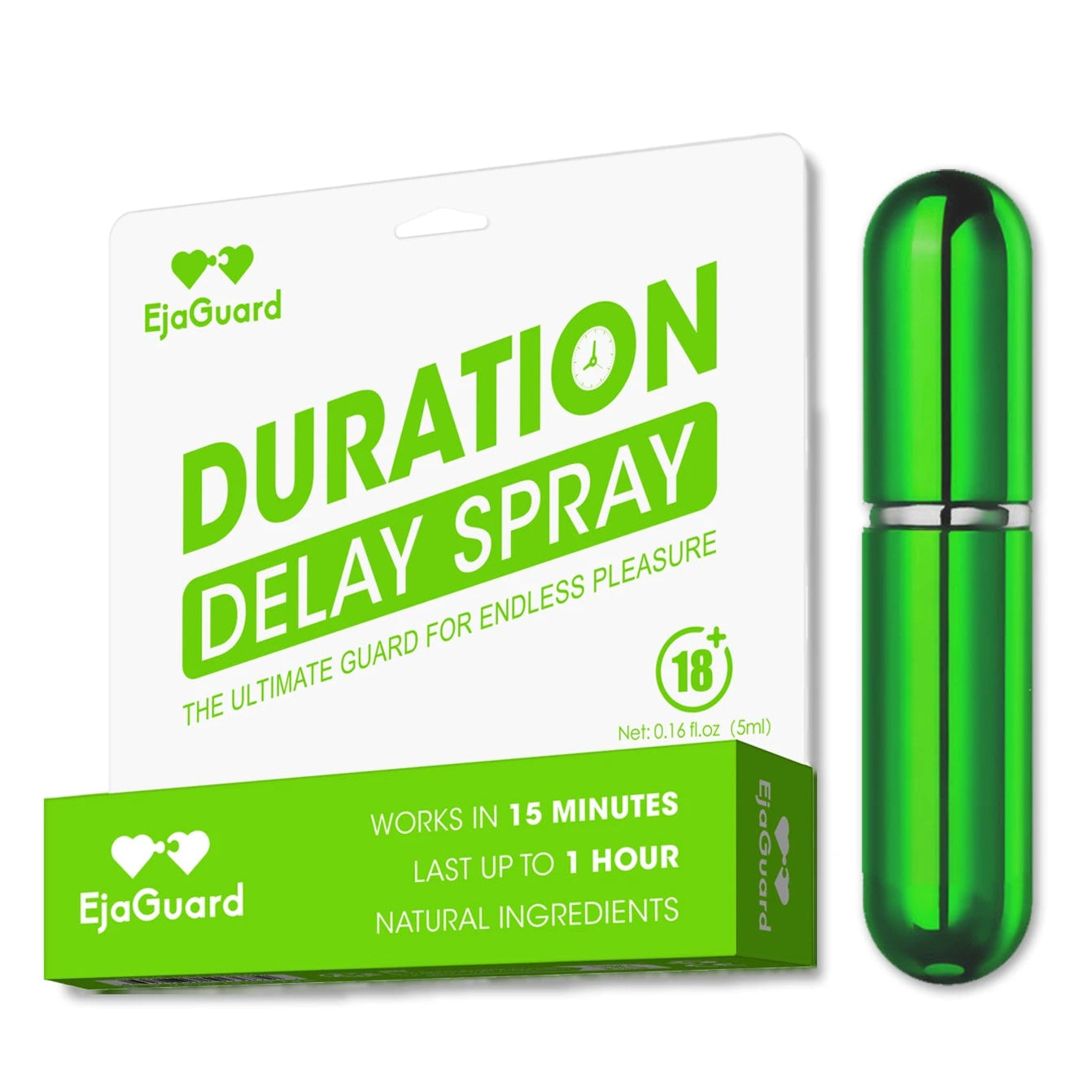
 Buy Now
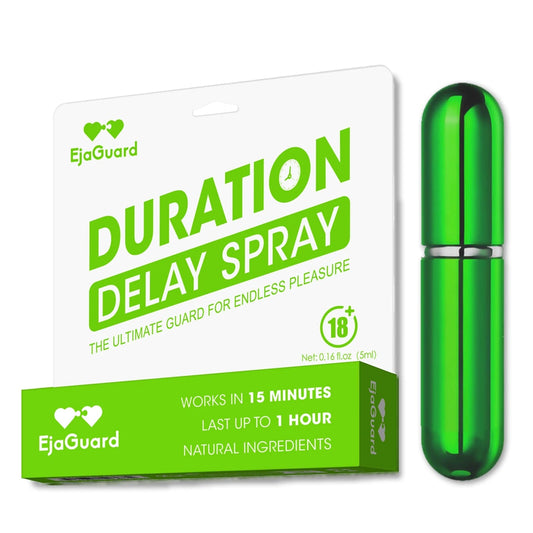

Dutasteride vs Finasteride: Which One Is Better for Hair Loss and Sexual Health?

Dutasteride vs Finasteride: What’s the Difference?

When comparing dutasteride vs finasteride, the main difference is how strongly they block DHT.
DHT stands for dihydrotestosterone. It is a hormone linked to:
-
Male pattern baldness
-
Enlarged prostate
-
Some sexual side effects
Both drugs belong to a class called 5-alpha-reductase inhibitors. They reduce DHT levels in the body.
However, dutasteride blocks more forms of the enzyme. That makes it stronger. But stronger can also mean more side effects.
For a deeper understanding of how DHT impacts both hair loss and sexual health, resources from the Harvard Medical School explain the hormonal link, while confidence-support tools like EjaGuard Delay Spray can help manage performance concerns.
So the real question becomes:
Is stronger always better?
What Is Finasteride?

Finasteride is commonly prescribed for:
-
Male pattern hair loss
-
Benign prostatic hyperplasia
It works by blocking type II 5-alpha-reductase. This reduces DHT levels by about 60 to 70 percent.
Lower DHT means:
-
Slower hair loss
-
Possible hair regrowth
-
Reduced prostate size
Many men use a 1 mg dose for hair loss. A 5 mg dose is typically used for prostate treatment.
Finasteride has been around longer. That means more research exists on long-term safety.
What Is Dutasteride?
Dutasteride is primarily prescribed for enlarged prostate. However, it is also used off-label for hair loss.
Unlike finasteride, dutasteride blocks both type I and type II enzymes. That reduces DHT levels by over 90 percent.
Because of this, many experts consider dutasteride stronger.
Some studies suggest dutasteride may produce more noticeable hair regrowth. But the higher potency may increase side effect risks.
Because dutasteride suppresses DHT more extensively, studies summarized by the National Institutes of Health (NIH) highlight both its effectiveness and potential risks, making it important to balance results with overall wellness support such as products from the EjaGuard blog.
So when comparing dutasteride vs finasteride, strength is a major factor.
How Do They Work to Block DHT?

To understand the difference, you need to understand DHT.
Testosterone converts into DHT through an enzyme called 5-alpha-reductase.
DHT binds to hair follicles. Over time, this shrinks them. Hair becomes thinner and weaker.
Finasteride blocks one enzyme type.
Dutasteride blocks two.
That is why dutasteride lowers DHT more aggressively.
But DHT also plays a role in:
-
Libido
-
Erectile function
-
Semen production
Reducing it too much can affect sexual health in some men.
Understanding hormone balance is essential, and medical overviews from the Endocrine Society explain how DHT influences the body, while non-hormonal support like EjaGuard Delay Spray can help address performance concerns without altering hormone levels.
Dutasteride vs Finasteride for Hair Loss
If your main concern is hair regrowth, this section matters most.
Studies show both medications:
-
Slow hair loss
-
Increase hair count
-
Improve thickness
However, dutasteride may lead to greater hair density in some men.
In a direct dutasteride vs finasteride hair growth comparison, dutasteride often shows slightly better results.
But the difference is not dramatic for everyone.
Important factors include:
-
Age
-
Severity of hair loss
-
Genetics
-
Hormone sensitivity
For many men, finasteride works well enough. And it may carry a slightly lower risk of side effects.
Dutasteride vs Finasteride for Enlarged Prostate
Both medications treat benign prostatic hyperplasia.
They reduce prostate size and improve urinary symptoms like:
-
Weak stream
-
Frequent urination
-
Nighttime urination
Dutasteride may reduce DHT more completely. This can result in stronger prostate shrinkage.
However, both drugs are approved and effective.
Your doctor usually decides based on:
-
Symptom severity
-
Risk profile
-
Other health conditions
Dutasteride vs Finasteride Side Effects
Now let’s talk about what many men worry about most.
Side effects.
Common side effects include:
-
Decreased libido
-
Erectile dysfunction
-
Reduced semen volume
-
Breast tenderness
-
Mood changes
Because dutasteride lowers more DHT, some studies suggest slightly higher rates of sexual side effects.
However, most men tolerate both medications well.
Side effects often improve after stopping the medication. But rare cases of persistent symptoms have been reported.
This is why discussing risks with your healthcare provider is critical.
Sexual Health Impact: What Men Should Know
Lower DHT can affect sexual function in some men.
Possible issues include:
-
Reduced desire
-
Difficulty maintaining erection
-
Changes in ejaculation
This does not happen to everyone. But it can create anxiety.
And anxiety alone can worsen performance.
If you notice changes in stamina or sensitivity, it is important to approach it calmly.
At EjaGuard, we believe in safe and natural support. For men concerned about performance confidence, options like:
-
Delay sprays
-
Water-based lubricants
-
Sensitivity-balancing formulas
can help support control and comfort without affecting hormones.
Confidence matters. And safe topical solutions can help maintain it.
Which One Is Stronger?
In a straight comparison of dutasteride vs finasteride, dutasteride is stronger.
It reduces DHT by over 90 percent.
Finasteride reduces it by around 60 to 70 percent.
But stronger does not always mean better.
More DHT suppression may increase:
-
Side effect risk
-
Sexual concerns
-
Hormonal adjustments
Choosing the right medication depends on your personal goals and risk tolerance.
Cost Comparison
Finasteride is widely available in generic form. It is often affordable.
Dutasteride is also available as a generic. But in some areas, it may cost slightly more.
Insurance coverage varies.
Always check:
-
Monthly cost
-
Prescription coverage
-
Online pharmacy pricing
Long-term affordability matters since these treatments require consistent use.
Alternatives to Dutasteride and Finasteride
Not every man wants to take oral medication.
Other options include:
-
Topical minoxidil
-
Topical finasteride
-
Low-level laser therapy
-
Hair transplant procedures
Lifestyle also plays a role:
-
Balanced diet
-
Stress management
-
Quality sleep
For men concerned about sexual performance during treatment, confidence-focused products can help reduce anxiety and improve satisfaction.
At EjaGuard, we focus on natural, body-safe solutions designed to support stamina and intimacy without interfering with hormones.
Final Verdict: Dutasteride vs Finasteride
So which wins the dutasteride vs finasteride debate?
It depends.
Choose finasteride if:
-
You want a well-studied option
-
You prefer moderate DHT reduction
-
You want slightly lower side effect risk
Choose dutasteride if:
-
You want stronger DHT suppression
-
Hair regrowth is your top priority
-
You understand the potential risks
Always consult your healthcare provider before starting either medication.
Hair matters.
Confidence matters.
Sexual health matters too.
Balance is key.
FAQs
Is dutasteride more effective than finasteride for hair loss?
Dutasteride may produce slightly more hair regrowth because it blocks more DHT. However, results vary by individual.
Which has fewer sexual side effects?
Finasteride may have a slightly lower risk due to less aggressive DHT suppression. But both can cause sexual side effects in some men.
Can dutasteride or finasteride cause permanent ED?
Persistent sexual side effects are rare. Most symptoms improve after stopping treatment. Always speak with a doctor if symptoms continue.
Can I switch from finasteride to dutasteride?
Yes, some men switch if they want stronger DHT suppression. This should always be done under medical supervision.
How long does it take to see results?
Most men see changes in 3 to 6 months. Full results may take up to 12 months of consistent use.
