

 Buy Now

Eczema on Eyelid: Causes, Treatments & Relief Options

Introduction

If you’ve ever experienced itchy, red, or flaky skin around your eyes, it might be eczema on the eyelid. This sensitive area is prone to flare-ups due to thin skin and frequent exposure to irritants.
Dealing with eyelid eczema can be frustrating, especially when it affects your vision, comfort, or appearance. The good news? With the right care, it’s manageable.
In this guide, we’ll explore what causes eyelid eczema, how to treat it naturally, and the best creams and remedies for lasting relief.
If dryness or irritation also affects intimacy, EjaGuard lubricants can help increase comfort during sensitive moments.
What is Eczema on the Eyelid?

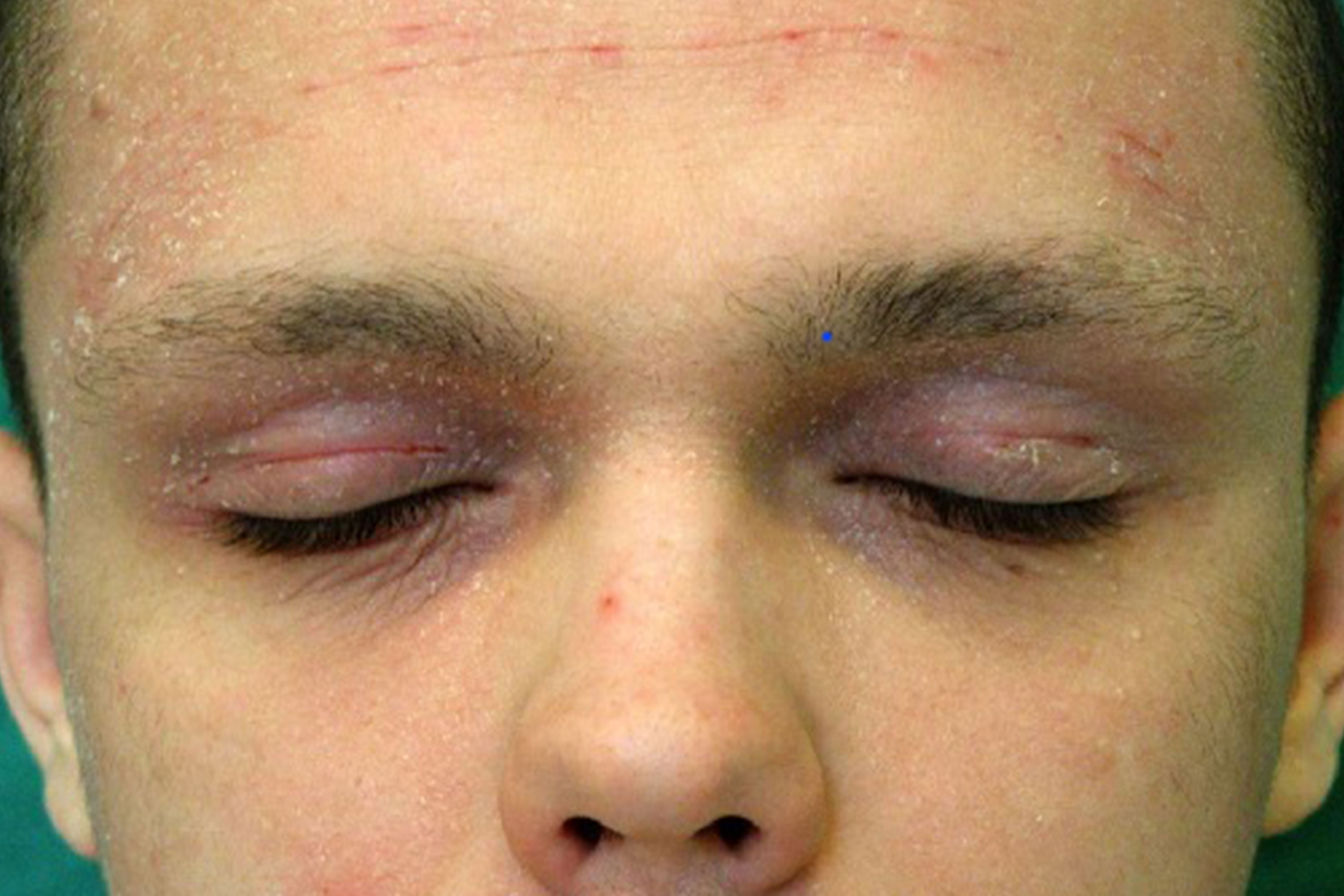
Eczema on the eyelid—also known as eyelid dermatitis—is a type of inflammation that affects the upper or lower eyelids. It’s often part of a broader eczema condition but can also occur independently.
The skin on your eyelids is some of the thinnest on the body. That makes it more reactive to allergens, irritants, and even harsh weather. When inflamed, this delicate area becomes dry, red, and itchy—sometimes even painful.
There are two primary types:
-
Atopic dermatitis (linked to allergies or asthma)
-
Contact dermatitis (triggered by a substance touching the skin)
If skin irritation affects intimacy or sensitivity, EjaGuard orgasm gels may help enhance comfort.
Common Causes of Eyelid Eczema

Wondering why you're getting eczema on your eyelids? Here are common triggers:
Contact Allergens:
-
Eye makeup or makeup removers
-
Nail polish (transferred by fingers)
-
Fragranced moisturizers or shampoos
-
Metals like nickel (in glasses or eyelash curlers)
Environmental Factors:
-
Cold, dry air
-
Dust mites or pollen
-
Pet dander
Medical Conditions:
-
Atopic eczema
-
Seborrheic dermatitis (especially in people with oily skin)
Avoiding these triggers is key to preventing flare-ups and finding relief.
To better understand irritants, allergies, and overall wellness, you can browse additional resources on the EjaGuard Blog.
Symptoms to Watch Out For
Eyelid eczema can look and feel different for everyone. Here are signs to monitor:
-
Dry, flaky skin on the upper or lower eyelid
-
Redness or swelling around the eyes
-
Itchy eyelids (especially worse in dry weather)
-
Burning or stinging sensations
-
Crusting or oozing (in severe cases)
If symptoms persist for more than a week or get worse, seek medical advice.
Is Eczema on Eyelid Contagious or Serious?
No, eczema on the eyelid is not contagious. You can’t pass it to someone else.
However, if left untreated, it can become serious. Chronic scratching or rubbing can lead to:
-
Skin thickening
-
Infections
-
Vision problems (in rare cases)
So while it’s not dangerous on its own, managing it early prevents complications.
If persistent irritation impacts your confidence or intimacy, EjaGuard lubricants can help reduce discomfort during sensitive moments.
Natural Remedies for Eyelid Eczema
Looking for a gentle way to manage symptoms? Here are natural remedies worth trying.
1. Coconut Oil
Coconut oil has antibacterial and anti-inflammatory properties. Gently dab it on the affected area once or twice daily.
Alt text: natural coconut oil for eyelid eczema relief
2. Aloe Vera Gel
Pure aloe soothes itching and reduces redness. Use a small amount from a fresh leaf or natural gel (with no additives).
3. Cold Compress
Wrap a soft cloth in cool water and place over your eyes for 5–10 minutes. This can reduce inflammation and itching quickly.
4. Calendula Cream
Known for its calming effects, calendula may reduce irritation and support healing.
5. Oatmeal Wash
Soak plain oats in warm water and use the milky liquid as a gentle face rinse. It helps calm sensitive skin without harsh chemicals.
Note: Always patch-test any product on another area of skin before using it near your eyes.
Over-the-Counter and Prescription Treatments
When natural remedies aren't enough, stronger solutions may help. Here are some common treatment options:
Over-the-Counter (OTC) Products
-
Hydrocortisone 0.5% or 1%
Use with caution and only for a short time, as it can thin the skin if overused near the eyes. -
Hypoallergenic Moisturizers
Look for fragrance-free and ophthalmologist-approved options. -
Antihistamine Creams or Oral Tablets
These can reduce allergic reactions and help you stop scratching.
Prescription Treatments
-
Topical Steroids (low-strength)
Prescribed in short courses for severe inflammation. -
Calcineurin Inhibitors (e.g., Tacrolimus)
Steroid-free and safer for long-term use around the eyes. -
Antibiotics
Needed if there's an infection from scratching or broken skin.
Consult a dermatologist or eye doctor before starting any prescription treatment.
Prevention Tips
Managing eyelid eczema isn’t just about treating flare-ups—it’s about avoiding them altogether. Try these simple habits:
-
Use fragrance-free skin and eye care products
-
Avoid rubbing your eyes
-
Remove makeup gently with micellar water
-
Wash pillowcases and makeup brushes regularly
-
Wear protective sunglasses outdoors
Sticking to a gentle skincare routine can go a long way.
When to See a Doctor
It’s time to consult a healthcare provider if:
-
Symptoms last more than 7–10 days
-
Your eyelid becomes swollen shut or extremely red
-
Vision becomes blurry or impaired
-
OTC treatments are not working
-
There’s oozing or signs of infection
Early treatment prevents long-term damage and discomfort.
Conclusion
Eczema on the eyelid can feel overwhelming, especially when it affects your eyes and confidence. But with the right mix of natural remedies, skin-safe products, and lifestyle changes, you can manage flare-ups and protect your sensitive eye area.
Don’t ignore the early signs—act quickly and choose solutions designed for delicate skin. If you’re ready for safe, soothing relief, explore EjaGuard’s dermatologist-formulated products for sensitive skin today.
FAQs: Eyelid Eczema
What is the best cream for eczema on eyelids?
Opt for fragrance-free, hypoallergenic creams like Eucerin, CeraVe, or prescription Tacrolimus. Avoid strong steroids unless directed by a doctor.
Can eczema spread to eyes?
Eczema can affect the skin around the eyes but does not spread into the eyeball. However, untreated eyelid eczema can lead to eye irritation or infections.
How do I treat eyelid eczema naturally?
Use coconut oil, aloe vera, or a cold compress. Avoid triggers like makeup, scented products, or harsh weather.
Is it safe to use hydrocortisone on eyelids?
Low-strength hydrocortisone can be used short-term. Long-term use may thin eyelid skin, so talk to a doctor first.
Can stress cause eczema flare-ups on the eyelid?
Yes. Stress is a known eczema trigger. Practice stress-reducing techniques like deep breathing or meditation to help prevent flare-ups.
