

 Buy Now


Schlauchmagen vs. Magenbypass

Einführung

Denken Sie über eine Operation zur Gewichtsreduktion nach? Sie sind nicht allein. Für viele Menschen, die mit Übergewicht zu kämpfen haben, reichen herkömmliche Methoden wie Diät und Sport einfach nicht aus. Hier kommt die Adipositaschirurgie ins Spiel. Tritt ein.
Zwei der beliebtesten Optionen sind die Schlauchmagen-Operation und der Magenbypass . Aber wie wählt man die richtige zwischen ihnen aus?
Beide Operationsverfahren helfen nachweislich Patienten beim Abnehmen, verbessern gesundheitliche Probleme wie Typ-2-Diabetes und steigern die allgemeine Lebensqualität. Dennoch wirken sie auf sehr unterschiedliche Weise, bergen unterschiedliche Risiken und führen zu unterschiedlichen Ergebnissen.
In diesem Leitfaden erläutern wir die Unterschiede zwischen Schlauchmagen und Magenbypass, um Ihnen zu helfen, zu verstehen, welche Methode besser zu Ihren Zielen, Ihrem Lebensstil und Ihrer Krankengeschichte passen könnte.
Lassen Sie uns genauer betrachten, wie diese Verfahren funktionieren, wodurch sie sich unterscheiden und welche Option die richtige für Sie ist.
Was ist ein Schlauchmagen?

Die Schlauchmagen-Operation , auch Sleeve-Gastrektomie genannt, ist ein minimalinvasiver Eingriff. Dabei werden etwa 75–80 % des Magens entfernt, sodass ein kleiner, schlauchförmiger Magen zurückbleibt, der einer Banane ähnelt.
Mit einem deutlich kleineren Magen fühlen Sie sich schneller satt und essen weniger. Außerdem senkt die teilweise Magenentfernung den Spiegel des Hungerhormons Ghrelin , was den Appetit zügelt.
So funktioniert eine Schlauchmagen-Operation:
-
Der Chirurg entfernt den gekrümmten Teil des Magens (den Fundus).
-
Der verbleibende Magen wird mit chirurgischen Klammern verschlossen.
-
Es werden keine Darmabschnitte umgeleitet oder umgangen.
Dieser Eingriff ist endgültig und kann nicht rückgängig gemacht werden. Die Genesung verläuft in der Regel schneller als nach einer Bypass-Operation, und die meisten Patienten können nach 2–4 Wochen wieder ihren normalen Aktivitäten nachgehen.
Eine Schlauchmagen-Operation wird häufig für Menschen mit einem BMI über 40 oder über 35 mit entsprechenden gesundheitlichen Problemen empfohlen. Sie eignet sich auch für diejenigen, die eine einfachere, weniger invasive Methode zur Gewichtsreduktion bevorzugen.
Was ist ein Magenbypass?
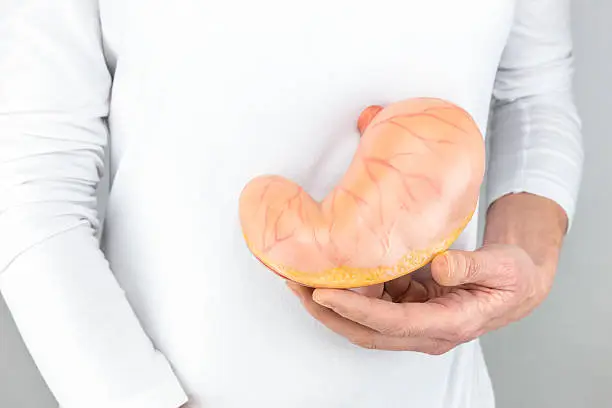
Die Magenbypass-Operation , auch Roux-en-Y-Magenbypass genannt, ist komplexer als eine Schlauchmagen-Operation, führt aber oft zu einer stärkeren Gewichtsabnahme.
So funktioniert es:
-
Der Chirurg formt eine kleine Tasche am oberen Ende Ihres Magens.
-
Dieser Beutel wird dann direkt mit dem Dünndarm verbunden, wodurch der größte Teil des Magens und ein Teil des Darms umgangen werden .
Dieses Verfahren reduziert sowohl die Menge an Nahrung, die Sie essen können , als auch die Anzahl der Kalorien, die Ihr Körper aufnimmt .
Neben der Unterstützung bei der Gewichtsabnahme hat sich der Magenbypass auch bei folgenden Erkrankungen als äußerst vorteilhaft erwiesen:
-
Typ-2-Diabetes
-
Bluthochdruck
-
Schwerer Säurereflux (GERD)
Im Gegensatz zur Schlauchmagen-Operation, die lediglich die Nahrungsaufnahme einschränkt, führt der Magenbypass zusätzlich zu einer Malabsorption . Das bedeutet zwar einen schnelleren Gewichtsverlust, erhöht aber auch das Risiko von Nährstoffmängeln .
Die Genesung dauert länger, oft 4–6 Wochen, und erfordert eine lebenslange Einnahme von Vitaminpräparaten.
Schlauchmagen vs. Magenbypass: Die wichtigsten Unterschiede
Vergleichen wir Schlauchmagen und Magenbypass direkt miteinander:
| Besonderheit | Schlauchmagen | Magenbypass |
|---|---|---|
| Verfahren | Magengröße reduziert | Magen und Darm umgeleitet |
| Gewichtsverlust | Stetig | Schnell und signifikant |
| Reversibilität | Dauerhaft | Schwierig, aber möglich |
| Risiko von Mängeln | Mäßig | Höher |
| Krankenhausaufenthalt | 1–2 Tage | 2–3 Tage |
| Erholungszeit | 2–4 Wochen | 4–6 Wochen |
| Langzeitwartung | Mäßig | Hoch (Nahrungsergänzungsmittel erforderlich) |
| GERD-Linderung | Kann sich verschlimmern | Verbessert oft |
Weitere Unterschiede sind:
-
Hunger : Durch die Entfernung von Ghrelin produzierenden Teilen des Magens wird das Hungergefühl reduziert.
-
Dumping-Syndrom : Tritt häufiger bei Bypass-Patienten auf und verursacht Übelkeit oder Durchfall nach dem Verzehr von zuckerhaltigen Lebensmitteln.
-
Chirurgisches Risiko : Beide Verfahren bergen Risiken, wobei der Bypass aufgrund seiner Komplexität als etwas riskanter gilt.
Das Verständnis dieser Unterschiede hilft Ihnen bei der Auswahl des richtigen Verfahrens, das zu Ihrem Lebensstil, Ihrer Krankengeschichte und Ihren persönlichen Zielen passt.
Ergebnisse der Gewichtsabnahme: Welche Operation hilft Ihnen, mehr abzunehmen?

Wenn es um Gewichtsverlust durch Schlauchmagen-OP im Vergleich zum Magenbypass geht, hat der Bypass meist die Nase vorn.
Durchschnittlicher Gewichtsverlust:
-
Schlauchmagen : 50–60 % des Übergewichts in 12–18 Monaten verloren
-
Magenbypass : 60–80 % des Übergewichts werden im gleichen Zeitraum verloren
Da der Magenbypass eine Malabsorption mit sich bringt, führt er oft zu schnelleren und deutlicheren Ergebnissen. Dennoch ist die Gewichtsabnahme mit einem Magenbypass sehr effektiv, insbesondere in Kombination mit einer Umstellung des Lebensstils.
Langzeitstudien zeigen, dass beide Verfahren dazu beitragen, den Gewichtsverlust über 5 Jahre und länger aufrechtzuerhalten, insbesondere wenn Patienten:
-
Befolgen Sie die Ernährungsrichtlinien
-
Regelmäßig Sport treiben
-
Nehmen Sie die Nachsorgetermine wahr.
Allerdings hängt der Erfolg mehr von Ihren Gewohnheiten und Ihrem sozialen Umfeld ab als von der Art der Operation allein.
Der Erfolg hängt auch stark vom Lebensstil ab. Unser EjaGuard-Blog bietet hilfreiche Gesundheitstipps, die gesunde Routinen fördern, welche für den Erfolg nach der Operation entscheidend sind.
Vor- und Nachteile der Schlauchmagen-Operation
✅ Vorteile:
-
Einfacherer Eingriff mit weniger Komplikationen
-
Kürzerer Krankenhausaufenthalt und schnellere Genesung
-
Keine Umleitung des Darms
-
Reduziert das Hungerhormon (Ghrelin)
-
Geringeres Risiko eines langfristigen Nährstoffmangels
❌ Nachteile:
-
Die Gewichtsabnahme verläuft etwas langsamer als beim Bypass.
-
Nicht umkehrbar
-
Kann Sodbrennen verschlimmern oder auslösen
-
Erfordert dauerhafte Ernährungsumstellung
Die Schlauchmagen-Operation bietet ein gutes Verhältnis zwischen Gewichtsverlust und Risiko. Sie eignet sich besonders für Patienten mit wenigen gesundheitlichen Problemen im Zusammenhang mit Übergewicht und ohne schwere Refluxkrankheit.
Vor- und Nachteile des Magenbypasses
✅ Vorteile:
-
Schnellerer, deutlicherer Gewichtsverlust
-
Wirksam bei der Behandlung von Typ-2-Diabetes
-
Verbessert häufig Sodbrennen
-
Nachweislich hohe Erfolgsquoten
❌ Nachteile:
-
Höheres Operationsrisiko aufgrund der Komplexität
-
Erhöhtes Risiko eines Dumping-Syndroms
-
Erfordert lebenslange Vitamin-/Mineralstoffpräparate.
-
Längere Erholungsphase
Ein Magenbypass ist eine hervorragende Option für Patienten mit schwerem Übergewicht und damit verbundenen Gesundheitsproblemen. Er erfordert jedoch ein hohes Maß an Engagement in der Nachsorge und der Nahrungsergänzung.
Welche Operation ist die richtige für Sie?
Ist ein Magenbypass also besser als eine Schlauchmagen-OP ? Das hängt von Ihren Zielen und Ihrem Gesundheitszustand ab.
Entscheiden Sie sich für eine Schlauchmagen-Operation , wenn Sie:
-
Sie wünschen sich eine weniger invasive Operation?
-
Haben keine schwere Refluxkrankheit
-
Eine kürzere Erholungszeit bevorzugen
-
Ernährungskomplikationen vermeiden
Entscheiden Sie sich für einen Magenbypass , wenn Sie:
-
Ich brauche mehr und schnelleren Gewichtsverlust.
-
Haben Sie Typ-2-Diabetes oder Sodbrennen?
-
Setzen auf langfristige Nahrungsergänzungsmittel und Nachuntersuchungen
-
Einen höheren BMI oder eine komplexere Krankengeschichte haben
Beide Operationen können Ihr Leben verändern. Entscheidend ist, diejenige auszuwählen, die zu Ihrem Körper, Ihren Zielen und Ihrer Bereitschaft zu einem neuen Lebensstil passt.
Die Beratung durch einen Spezialisten für Adipositaschirurgie hilft Ihnen, Ihre Optionen abzuwägen und die sicherste und fundierteste Entscheidung zu treffen.
Häufig gestellte Fragen (FAQ)
Was ist sicherer: Schlauchmagen oder Magenbypass?
Beide Verfahren sind im Allgemeinen sicher, die Sleeve-Methode birgt jedoch aufgrund ihrer Einfachheit weniger Komplikationen .
Was hilft Ihnen dabei, mehr Gewicht zu verlieren?
Ein Magenbypass führt typischerweise zu einem größeren und schnelleren Gewichtsverlust.
Kann man nach einer Schlauchmagen-OP einen Magenbypass bekommen?
Ja, manche Patienten wechseln von einer Schlauchmagen-Operation zu einem Magenbypass, wenn der Gewichtsverlust stagniert oder sich der Reflux verschlimmert.
Welches hat eine kürzere Erholungszeit?
Nach einer Schlauchmagenoperation ist der Krankenhausaufenthalt und die Genesung in der Regel kürzer .
Muss ich nach der Operation Vitamine einnehmen?
Ja. Patienten nach einem Magenbypass benötigen lebenslang Nahrungsergänzungsmittel , und auch Patienten nach einer Schlauchmagenoperation benötigen diese möglicherweise.
Abschluss
Die Wahl zwischen Schlauchmagen-OP und Magenbypass ist nicht einfach – aber es ist eine Entscheidung, die Ihr Leben verändern könnte.
Während die Schlauchmagen-OP einfacher ist und die Genesung leichter vonstattengeht, bietet der Magenbypass möglicherweise einen größeren und schnelleren Gewichtsverlust für diejenigen, die ihn am dringendsten benötigen.
Überlegen Sie sich Ihre Ziele. Berücksichtigen Sie Ihren Gesundheitszustand. Sprechen Sie mit Ihrem Arzt und nehmen Sie sich Zeit.
Egal für welches Verfahren Sie sich entscheiden, der Erfolg hängt von Engagement, Unterstützung und einem gesunden Lebensstil nach der Operation ab.
Sind Sie bereit für den nächsten Schritt zu mehr Gesundheit? Sprechen Sie noch heute mit einem Adipositaschirurgen und finden Sie heraus, welche Operation am besten zu Ihnen passt.
