

 Buy Now
Can Dehydration Affect Sexual Performance? Understanding Hydration, Energy, and Men's Sexual Health

Introduction: Does Drinking Enough Water Matter for Your Sex Life?
Most people understand that drinking enough water is important for general health. Water helps regulate body temperature, supports circulation, assists digestion, and allows cells and organs to function properly. Yet hydration is not something everyone pays attention to throughout the day.
Some men spend hours working at a desk without drinking much water. Others lose fluids through exercise, outdoor activities, or hot weather and do not fully replace them. It is easy to overlook these habits because mild dehydration does not always produce obvious symptoms.
But could not drinking enough water also affect sexual performance? More specifically, can dehydration contribute to erectile difficulties or premature ejaculation (PE)?
The answer requires some distinction. Dehydration can affect several systems involved in physical performance, including circulation, blood pressure regulation, and energy levels. These effects may influence how comfortable and physically prepared someone feels during sexual activity. However, there is currently no strong clinical evidence showing that dehydration directly causes premature ejaculation or that drinking extra water is an effective treatment for PE.
Understanding the difference between general hydration and specific sexual health conditions can help men make better decisions without falling for exaggerated claims.
This article explores how dehydration affects the body, what is known about hydration and male sexual function, and how to maintain sensible hydration habits as part of a broader approach to sexual well-being.

Table of Contents
-
Why Water Is Important for the Male Body
-
What Happens When You Become Dehydrated?
-
Can Dehydration Affect Blood Circulation?
-
Can Dehydration Affect Erectile Function?
-
Is There a Connection Between Dehydration and Premature Ejaculation?
-
How Low Hydration May Affect Energy and Physical Comfort
-
Does Dehydration Influence Hormones or Testosterone?
-
Common Situations That Can Lead to Dehydration
-
How Much Water Should Men Drink Every Day?
-
Practical Ways to Maintain Healthy Hydration
-
Can Drinking More Water Improve Sexual Performance?
-
Where Do Delay Sprays Fit Into a Balanced Approach?
-
When Should You Seek Professional Advice?
-
Final Thoughts
1. Why Water Is Important for the Male Body
Water is involved in almost every major function of the human body. It makes up a substantial portion of body weight and is present in blood, cells, muscles, and the fluid surrounding organs and joints.
One of its most important roles is helping the body maintain a stable internal environment. Water supports temperature regulation, helps transport nutrients, and allows the kidneys to remove waste products through urine.
It also contributes to normal circulation. Blood contains a large amount of water, and maintaining an appropriate fluid balance helps the cardiovascular system function effectively.
These functions matter for overall physical health, including sexual health. Sexual activity involves cardiovascular activity, nervous system responses, muscle coordination, and changes in blood flow. The body needs to be functioning reasonably well for these processes to work comfortably.
According to the National Institutes of Health's overview of hydration, water is essential for normal cellular function, temperature regulation, and maintaining the body's fluid balance.
However, it is important not to overinterpret this connection. The fact that water supports normal circulation does not mean that drinking additional water will automatically improve erections or delay ejaculation.
For men interested in the broader relationship between daily habits and sexual function, our guide to how regular exercise may support sexual health discusses another important part of maintaining general physical well-being.

2. What Happens When You Become Dehydrated?
Dehydration occurs when the body loses more fluid than it takes in. This can happen because of insufficient drinking, excessive sweating, fever, vomiting, diarrhea, or certain medical conditions and medications.
When fluid levels fall, the body activates several mechanisms to conserve water and maintain circulation. The kidneys reduce water loss, thirst increases, and hormonal systems help regulate fluid and electrolyte balance.
Mild dehydration may produce symptoms that are easy to overlook. These can include:
-
Feeling unusually thirsty
-
Dry mouth or sticky saliva
-
Darker urine
-
Urinating less frequently
-
Headaches
-
Tiredness
-
Lightheadedness or dizziness
More significant dehydration can affect blood pressure, heart rate, and normal organ function. Severe cases may lead to confusion, fainting, kidney problems, or circulatory complications.
The MedlinePlus guide to dehydration explains common symptoms, risk factors, and treatment approaches. It also highlights why people who exercise in hot weather or experience fluid loss through illness may need additional attention to hydration.
Not every headache or episode of fatigue means someone is dehydrated. These symptoms can have many causes. However, if several signs appear together, it may be worth reviewing fluid intake and considering whether medical advice is needed.
The key point is that dehydration affects the body as a whole. It is not a condition that specifically targets sexual function, and its effects should be understood in that broader context.

3. Can Dehydration Affect Blood Circulation?
One reason hydration is sometimes discussed in relation to sexual performance is its relationship with blood volume and circulation.
When the body loses a significant amount of fluid, the amount of circulating blood volume can decrease. This may make it more difficult for the cardiovascular system to maintain normal blood pressure, particularly when someone stands up quickly or engages in physical activity.
The body responds by activating compensatory mechanisms. Heart rate may increase, blood vessels may adjust their tone, and the kidneys work to conserve fluid.
These responses help maintain circulation, but they can also contribute to symptoms such as dizziness, weakness, and a racing heartbeat.
A review published in Nutrients examined the relationship between hydration status and cardiovascular function. It discussed evidence that acute hypohydration may influence vascular function, blood pressure regulation, and the body's response to standing.
You can read the review on hydration status and cardiovascular function for a more detailed explanation.
This does not establish that dehydration directly causes sexual dysfunction. It simply explains why maintaining an appropriate fluid balance is part of supporting normal cardiovascular function.
For men who want to improve their overall sexual health, it is useful to look at several factors together, including physical activity, blood pressure, nutrition, sleep, and existing medical conditions.

4. Can Dehydration Affect Erectile Function?
An erection involves a coordinated response between the brain, nerves, blood vessels, and smooth muscle tissue. When sexual stimulation occurs, signals help relax certain smooth muscles and increase blood flow into the erectile tissue.
Because this process depends on healthy vascular function, it is understandable that people wonder whether dehydration could interfere with erections.
In theory, significant dehydration could create conditions that make normal circulation more difficult. Reduced circulating fluid volume and changes in blood pressure may affect physical comfort and cardiovascular performance.
However, the direct relationship between dehydration and erectile dysfunction (ED) has not been adequately established through clinical research.
There is no strong body of controlled human evidence showing that ordinary mild dehydration is a common direct cause of ED. It would therefore be misleading to tell men that drinking more water will reliably improve erection quality.
Erectile function is influenced by many factors, including cardiovascular disease, diabetes, nerve conditions, medications, smoking, psychological stress, and hormonal health.
The NIDDK overview of erectile dysfunction explains the different physical and psychological factors that can contribute to ED and why evaluation may involve more than one part of a person's health.
If erection difficulties are persistent, it is more useful to consider a proper assessment than to assume the problem is caused by insufficient water intake.
Our article on the relationship between premature ejaculation and erectile dysfunction also explores why these two conditions can sometimes occur together while remaining distinct sexual health concerns.

5. Is There a Connection Between Dehydration and Premature Ejaculation?
This is probably the most important question for men reading this article.
At present, there is not enough direct clinical evidence to establish dehydration as a cause of premature ejaculation.
PE is generally assessed through several factors, including ejaculation timing, the ability to delay ejaculation, and the distress or negative consequences associated with the experience.
It is not simply a condition in which a man ejaculates quickly once or twice. Persistent difficulty with ejaculation control and the impact on the individual are important parts of the clinical picture.
The AUA/SMSNA guideline on ejaculation disorders explains the clinical approach to lifelong and acquired PE, including the importance of sexual history, perceived control, and personal distress.
Dehydration is not recognized as an established direct cause in these diagnostic criteria.
So why do some people wonder whether drinking too little water might make them finish sooner?
One possible explanation is that dehydration can make someone feel physically uncomfortable. A person who is tired, dizzy, overheated, or generally unwell may find sexual activity less comfortable. These factors could influence the overall experience without directly changing the biological mechanisms responsible for PE.
Another possibility is that dehydration occurs alongside other habits that affect well-being. Someone who drinks very little water may also be working long hours, sleeping poorly, exercising in hot conditions, or neglecting other aspects of self-care.
In such cases, hydration may be only one part of a much larger picture.
The practical takeaway is straightforward: maintaining adequate hydration supports general health, but men should not expect water alone to resolve persistent ejaculation difficulties.

6. How Low Hydration May Affect Energy and Physical Comfort
Sexual activity is a physical experience. It can involve movement, increased heart rate, muscle activity, and changes in breathing. Feeling comfortable and physically prepared can therefore influence how enjoyable an encounter is.
Dehydration may contribute to fatigue, headaches, dizziness, and reduced physical performance, particularly when fluid loss is significant.
For example, imagine someone who has spent several hours working outdoors on a hot day. He has been sweating, drinking very little, and feels exhausted by the evening.
Even if he is interested in sexual activity, he may not feel particularly energetic or comfortable. He might experience lightheadedness, muscle weakness, or general fatigue.
These symptoms can affect the overall experience, but they should not be confused with a direct change in ejaculation control.
There is also an important distinction between physical fatigue and sexual dysfunction. Feeling tired after a long day does not automatically indicate a problem with sexual health.
The Mayo Clinic's guide to dehydration symptoms and causes explains how fluid loss can contribute to fatigue, dizziness, and other physical symptoms.
For men who regularly feel exhausted, it may be useful to examine their overall routine. Workload, sleep, stress, nutrition, and physical activity can all influence energy levels.
Our article about how diet may affect premature ejaculation and general sexual health discusses why a balanced lifestyle matters, while also explaining why no single food or nutrient should be treated as a proven PE treatment.

7. Does Dehydration Influence Hormones or Testosterone?
Testosterone is an important hormone involved in male sexual development, libido, muscle mass, bone health, and several other physiological functions.
Because hydration influences many bodily systems, some men wonder whether drinking too little water might lower testosterone or disrupt other hormones involved in sexual function.
The relationship is not well established.
There is no convincing clinical evidence that ordinary dehydration directly causes chronically low testosterone in otherwise healthy men. Likewise, drinking extra water has not been demonstrated to increase testosterone levels or directly improve ejaculation control.
Severe illness and significant physiological stress can influence hormone regulation, but this is different from claiming that mild everyday dehydration causes a hormonal disorder.
Testosterone levels can be affected by factors such as age, certain medical conditions, obesity, sleep disorders, medications, and other aspects of health.
Men who experience persistent low libido, reduced energy, or other symptoms that raise concern about testosterone should discuss appropriate testing with a healthcare professional rather than trying to correct the issue through excessive water consumption.
It is also worth distinguishing libido from ejaculation control. A man may have a normal level of sexual desire but experience PE. Another may have reduced libido without any difficulty delaying ejaculation.
These are different aspects of sexual function and should not be treated as interchangeable.
8. Common Situations That Can Lead to Dehydration
Many people associate dehydration with extreme heat or endurance sports, but everyday routines can also contribute to insufficient fluid intake.
Understanding when fluid needs may increase can make it easier to maintain a consistent hydration routine.
Long Hours at a Desk
People who work at computers may become so focused on their tasks that they forget to drink water for several hours.
Unlike someone exercising outdoors, they may not notice obvious sweating or fluid loss. As a result, they might not think about hydration until they begin feeling thirsty or develop a headache.
Keeping a water bottle nearby can make drinking throughout the day easier.
Exercise and Sweating
Physical activity increases fluid loss through sweating. The amount depends on exercise intensity, duration, temperature, humidity, and individual sweat rate.
Someone doing a short indoor workout may need relatively little additional fluid, while a person running outdoors in hot weather may lose considerably more.
Replacing fluids after exercise is important, especially when sweating has been heavy.
Hot Weather
Heat increases the body's need to regulate temperature through sweating. People who work outdoors, spend time in hot environments, or exercise during warm weather may need to pay closer attention to fluid intake.
Illness
Fever, vomiting, and diarrhea can increase fluid loss. Someone who is sick may also drink less because of nausea, poor appetite, or difficulty swallowing.
In these circumstances, hydration becomes more important than usual.
Alcohol Consumption
Alcohol can increase urine production and may contribute to fluid loss, especially when consumed in larger amounts. It can also affect sleep and general physical comfort.
Drinking water does not eliminate the other health effects of alcohol, but maintaining fluid intake may help reduce the risk of becoming dehydrated.
The MedlinePlus medical encyclopedia entry on dehydration provides additional information about common causes, symptoms, and risk factors.
The important point is that hydration needs are not fixed. They can change from day to day depending on activity, weather, health, and fluid loss.
9. How Much Water Should Men Drink Every Day?
One of the most common questions about hydration is how much water a man should drink daily.
There is no single amount that is appropriate for every person. Fluid requirements depend on body size, activity level, climate, diet, age, and medical circumstances.
The National Academies of Sciences established an adequate intake reference of approximately 3.7 liters of total water per day for adult men and 2.7 liters for adult women.
However, these figures include water from all beverages and food, not just plain drinking water. They are population reference values rather than strict requirements that every individual must meet.
The National Academies' dietary reference information for water explains how these values were developed and why individual requirements can vary.
For many healthy adults, drinking when thirsty and having fluids with meals is a reasonable starting point. People who exercise heavily, sweat significantly, or spend time in hot environments may need more.
It is also useful to remember that water is not the only source of fluid. Milk, tea, soups, and water-rich foods such as fruit and vegetables all contribute to total water intake.
There is no need to force yourself to drink a large amount of water simply because you believe it will improve sexual performance.
In fact, drinking excessive amounts of water in a short period can be harmful because it may dilute sodium in the blood. People with kidney, heart, or certain other medical conditions may also need individualized fluid guidance.
The MedlinePlus guide to water in the diet provides additional information about daily intake references and why individual needs differ.

10. Practical Ways to Maintain Healthy Hydration
Maintaining adequate hydration does not need to be complicated. For most healthy adults, small and consistent habits are more practical than trying to drink a large amount of water all at once.
Here are several ways to make hydration easier.
Start the Day With a Drink
After several hours of sleep, having a glass of water in the morning can help you begin the day with some fluid intake.
There is no special sexual health benefit associated with drinking water immediately after waking up. The value is simply that it helps establish a consistent habit.
Keep Water Within Reach
If you spend most of your day at a desk, keep a bottle or glass of water nearby.
Having water easily available can reduce the likelihood of going several hours without drinking.
Drink Around Exercise
Consider your activity level, temperature, and how much you sweat. Drink before, during, and after prolonged or strenuous activity as appropriate.
For shorter and less intense workouts, ordinary water is generally sufficient for most people.
Eat Water-Rich Foods
Fruits and vegetables can contribute to daily fluid intake. Foods such as watermelon, cucumber, oranges, strawberries, and lettuce contain substantial amounts of water.
These foods can complement drinking water as part of a balanced diet.
Pay Attention to Urine Color
Urine color can provide a rough indication of hydration status. Darker urine may suggest that you need more fluids, although supplements, medications, and certain foods can also change urine color.
It should not be used as the only way to diagnose dehydration.
Adjust for Your Environment
If the weather is hot or you are sweating more than usual, your fluid needs may increase.
The goal is to respond to your body's circumstances rather than follow a rigid daily number regardless of activity or climate.
For a broader approach to improving everyday health habits, our guide to lifestyle changes and premature ejaculation discusses why sustainable routines are more useful than expecting one isolated habit to solve every concern.

11. Can Drinking More Water Improve Sexual Performance?
Drinking enough water helps maintain normal bodily functions. If someone is genuinely dehydrated, replacing lost fluids can improve symptoms associated with dehydration, such as thirst, dizziness, and fatigue.
However, that does not mean drinking extra water beyond normal needs will improve sexual performance.
There is currently insufficient evidence to recommend increased water consumption as a treatment for erectile dysfunction or premature ejaculation.
A man who is already adequately hydrated should not expect that drinking an additional liter or two of water will produce a longer sexual encounter or better ejaculation control.
It is also important to avoid confusing hydration with blood flow treatment. Although water helps maintain circulating fluid volume, erection quality depends on a much more complex interaction between vascular health, nerve signaling, hormones, and psychological factors.
Similarly, PE involves ejaculation timing, control, and distress. It cannot be explained by hydration status alone.
A better approach is to maintain sensible hydration as part of general health while addressing persistent sexual concerns through methods that are appropriate to the specific problem.
For some men, this may involve behavioral techniques, psychological support, medical evaluation, or topical products. The right approach depends on the individual's symptoms and preferences.
12. Where Do Delay Sprays Fit Into a Balanced Approach?
For men who experience persistent difficulty delaying ejaculation, topical delay sprays may be one option worth understanding.
Many conventional delay sprays contain local anesthetic ingredients such as lidocaine or benzocaine. These ingredients temporarily reduce sensitivity in the application area, which may help some men delay ejaculation.
However, the level of sensitivity reduction can vary depending on the formulation, amount applied, timing, and individual response.
Some men prefer a stronger numbing effect, while others would rather maintain more natural sensation. This is one reason it is useful to understand the differences between products rather than assuming that every delay spray works in the same way.

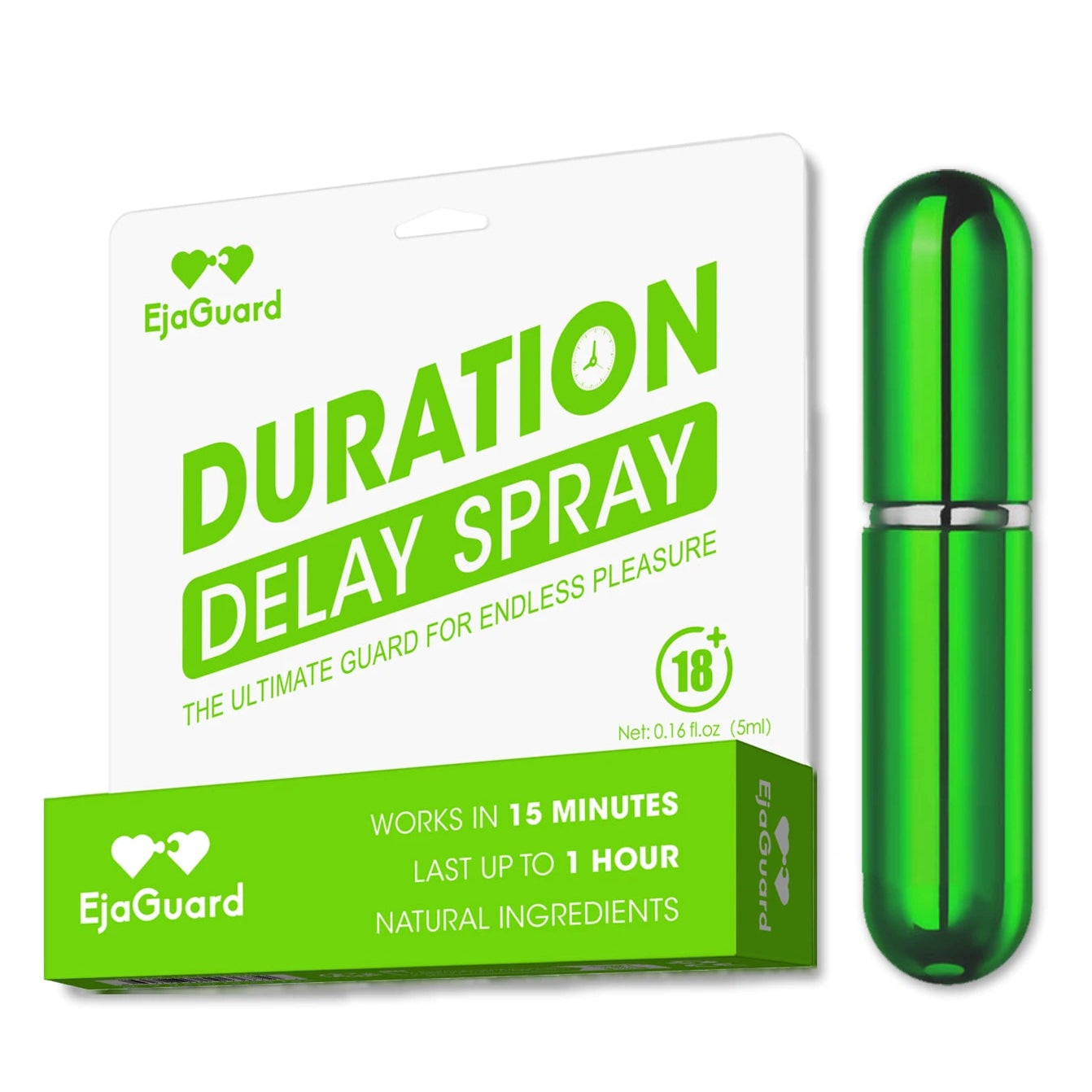
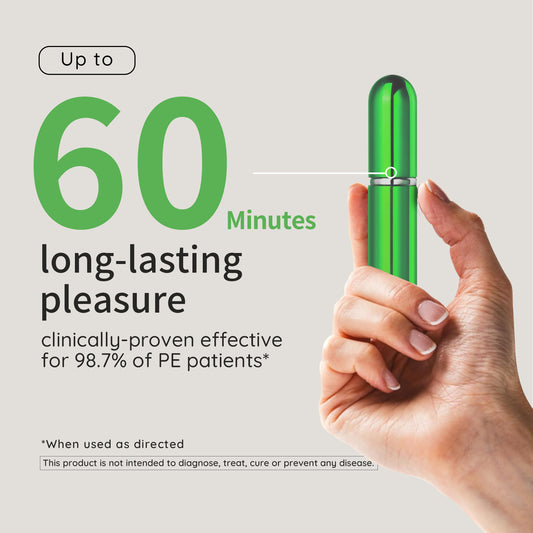
EjaGuard is a herbal delay spray positioned for men who prefer a milder, more sensation-conscious approach. It may be worth exploring for adults who want to learn about topical options without assuming that stronger numbing is always better.
You can learn more about EjaGuard Delay Spray and review the guide to using delay spray before deciding whether this type of product is appropriate for you.
It is important to keep expectations realistic. A delay spray does not correct dehydration, improve cardiovascular health, or treat every possible cause of PE. It should be considered one possible tool rather than a complete solution.
If ejaculation difficulties are persistent or accompanied by other symptoms, it is worth discussing them with a healthcare professional instead of relying exclusively on a topical product.

13. When Should You Seek Professional Advice?
Occasional tiredness or changes in sexual performance are not necessarily signs of a medical condition. However, persistent symptoms deserve attention, especially when they affect daily life or intimate relationships.
Consider speaking with a healthcare professional if:
-
You consistently experience difficulty delaying ejaculation and feel unable to control it.
-
Your ejaculation timing has changed noticeably after a period of previously satisfactory control.
-
You regularly experience erection difficulties.
-
You feel unusually tired, dizzy, or weak despite maintaining normal fluid intake.
-
You experience frequent excessive thirst or urination.
-
You have symptoms that may suggest an underlying medical condition.
-
You have kidney, heart, or other conditions that may affect fluid requirements.
A clinician may review your medical history, medications, symptoms, and general health. Depending on the situation, they may recommend blood tests, urine tests, or further evaluation.
Severe dehydration can become a medical emergency. Confusion, fainting, a rapid heartbeat, very little or no urination, or an inability to keep fluids down should not be ignored.
It is also important to avoid self-diagnosing PE based on timing alone. A healthcare professional can help determine whether the concern meets the clinical definition of PE or whether another factor is involved.
Seeking advice is not an admission of failure. Sexual health is part of overall health, and getting appropriate support can help men make informed decisions.

14. Final Thoughts
Hydration is essential for normal physical function. It supports circulation, temperature regulation, cellular activity, and the body's ability to maintain a stable internal environment.
When someone becomes dehydrated, they may experience fatigue, dizziness, headaches, and changes in cardiovascular function. These effects can influence general physical comfort and may make sexual activity less enjoyable.
However, current evidence does not establish dehydration as a direct cause of premature ejaculation or show that drinking extra water is an effective treatment for PE.
For men who want to support their sexual health, maintaining adequate hydration is a sensible part of a broader lifestyle approach. It should be combined with attention to sleep, physical activity, nutrition, stress management, and any underlying health conditions.
If ejaculation control remains a persistent concern, it is worth exploring approaches that address the issue directly. These may include behavioral strategies, professional guidance, and suitable topical products.
Ultimately, the goal is not to drink as much water as possible or to expect one lifestyle adjustment to solve every sexual health concern. It is to maintain healthy daily habits, understand your own body, and choose an approach that supports a more comfortable and satisfying sex life.
