

 Buy Now
Can Prostatitis or Chronic Pelvic Pain Affect Premature Ejaculation?

Premature ejaculation is usually discussed in terms of ejaculation timing, control, sensitivity, anxiety, or sexual experience. But there is another part of male sexual health that deserves more attention: pelvic and prostate health.
For some men, ejaculation problems don't exist in isolation. They may occur alongside pelvic discomfort, urinary symptoms, painful ejaculation, or symptoms associated with chronic prostatitis/chronic pelvic pain syndrome (CP/CPPS). Research has found an association between CP/CPPS and several forms of sexual dysfunction, including premature ejaculation and erectile dysfunction. However, this does not mean that prostatitis automatically causes PE.
That distinction matters.
A man who suddenly notices changes in ejaculation and also has pelvic pain or urinary symptoms may be dealing with something different from someone who has experienced lifelong PE without other symptoms.
Understanding that difference can help men think about ejaculation problems more broadly rather than treating every change as a simple issue of sensitivity.
Learn more about premature ejaculation and its different causes

Table of Contents
- What Is Prostatitis?
- What Is Chronic Pelvic Pain Syndrome?
- Is There a Connection Between Prostatitis and PE?
- Why Pelvic Symptoms May Affect Ejaculation
- Pain During or After Ejaculation
- Urinary Symptoms and Sexual Function
- The Role of Pelvic Muscle Tension
- Why Stress Can Make the Situation More Complicated
- Can Treating the Underlying Problem Improve Ejaculation?
- Where Do Delay Sprays Fit In?
- When Should You See a Doctor?
- What Should Men Pay Attention To?
- Frequently Asked Questions
- The Bottom Line
What Is Prostatitis?
Prostatitis is a broad term used for conditions involving inflammation or irritation of the prostate. It isn't a single disease with one cause.
Some forms are caused by bacterial infection, while others involve persistent pelvic pain without an identifiable bacterial infection. This distinction is important because chronic pelvic pain can behave very differently from an acute infection.
Symptoms can include painful or difficult urination, frequent urination, pelvic or genital discomfort, pain in the area between the scrotum and anus, and pain associated with ejaculation.
NIDDK's overview of prostatitis and prostate inflammation
One of the confusing things about prostatitis is that symptoms can vary considerably from one person to another.
Some men may primarily notice urinary symptoms. Others may experience pelvic discomfort or sexual symptoms. Some have symptoms that come and go rather than remaining constant.
That is one reason self-diagnosing based on a single symptom can be misleading.

What Is Chronic Pelvic Pain Syndrome?
Chronic prostatitis/chronic pelvic pain syndrome, often shortened to CP/CPPS, is particularly relevant when discussing sexual function.
Unlike bacterial prostatitis, CP/CPPS does not simply mean that there is an ongoing bacterial infection inside the prostate. Modern urological guidelines recognize chronic pelvic pain as a complex condition that can involve multiple contributing factors rather than one simple source of inflammation.
AUA Guideline on Male Chronic Pelvic Pain
Symptoms may involve the pelvis, perineum, penis, scrotum, lower abdomen, or lower back. Urinary symptoms and sexual symptoms can also occur.
This is important because a man may interpret the sexual symptom as a completely separate problem when it is actually occurring alongside a broader pelvic pain pattern.
That doesn't prove that CP/CPPS is causing the ejaculation problem. But the combination of symptoms is worth paying attention to.

Is There a Connection Between Prostatitis and PE?
Research suggests there is an association between chronic prostatitis/chronic pelvic pain syndrome and sexual dysfunction.
A review of the literature found that men with CP/CPPS can experience erectile dysfunction, premature ejaculation, and painful ejaculation. More recent research has also continued to report a substantial burden of sexual dysfunction among men with CP/CPPS.
Recent meta-analysis on sexual dysfunction and CP/CPPS
But there is an important difference between association and causation.
It would be inaccurate to say:
“Prostatitis causes premature ejaculation.”
The evidence doesn't support such a simple statement.
Instead, it is more accurate to say that men with chronic prostatitis or chronic pelvic pain appear to have higher rates of certain sexual difficulties, including PE, and researchers have proposed several possible explanations for the relationship.

Why Pelvic Symptoms May Affect Ejaculation
Ejaculation involves much more than the penis itself.
It involves coordinated activity between the nervous system, pelvic muscles, reproductive structures, and brain. Pain or discomfort in the pelvic region can potentially change how a person experiences sexual stimulation and ejaculation.
For example, someone who regularly experiences pelvic discomfort may become more aware of sensations in that area. That can change the way sexual stimulation is perceived, although exactly how this contributes to PE is still not fully established.
The relationship can also work in multiple directions.
A man who experiences ejaculation-related pain may become anxious about sexual activity. That anxiety can then influence arousal and sexual responses, potentially making the overall experience more difficult.
Read about how anxiety can influence premature ejaculation
This is one reason it can be difficult to separate physical and psychological factors.
A pelvic condition doesn't have to directly change the ejaculation reflex to affect sexual function. Pain, anticipation of pain, frustration, and changes in sexual confidence can all become part of the experience.

Pain During or After Ejaculation
One of the most useful clues is pain associated with ejaculation.
Pain during or after ejaculation is not considered a typical feature of uncomplicated PE. If a man experiences rapid ejaculation and also has pelvic pain, burning, discomfort, or pain after ejaculation, it makes sense to consider whether another condition could be contributing.
NIDDK lists pain during or after ejaculation among common symptoms associated with chronic prostatitis/chronic pelvic pain syndrome.
Read more about prostatitis symptoms from Mayo Clinic
This doesn't mean every episode of discomfort indicates prostatitis.
Occasional discomfort can have many possible explanations, and a healthcare professional needs to evaluate persistent or recurring symptoms.
The key point is that pain changes the question.
If the only issue is ejaculating sooner than desired, PE may be the main issue to investigate.
If ejaculation problems occur together with persistent pelvic pain or urinary symptoms, a broader evaluation may be appropriate.

Urinary Symptoms and Sexual Function
Another clue is the presence of urinary symptoms.
Men with prostatitis or chronic pelvic pain may experience frequent urination, urgency, painful urination, difficulty starting or maintaining urine flow, or a feeling that the bladder hasn't emptied completely. The exact symptoms depend on the underlying condition.
Explore EjaGuard's guide to delay sprays and ejaculation control
If a man has PE but no urinary or pelvic symptoms, there may be no reason to assume that prostate health is involved.
On the other hand, if ejaculation changes occur around the same time as new urinary or pelvic symptoms, that pattern is worth discussing with a healthcare provider.
This is particularly relevant when the ejaculation problem is new rather than lifelong.
A sudden change doesn't necessarily mean something serious is happening. But it does provide more information than simply saying, “I'm ejaculating too quickly.”

The Role of Pelvic Muscle Tension
The pelvic floor is another piece of the puzzle.
The muscles of the pelvic region participate in urination, sexual function, and ejaculation. Chronic pelvic pain conditions can involve abnormalities in muscle function or increased muscle tension, although the exact mechanisms vary between individuals.
This is one reason modern approaches to chronic pelvic pain don't always focus on the prostate itself.
For some patients, clinicians may evaluate musculoskeletal or pelvic-floor-related contributors as part of a broader assessment. The AUA's chronic pelvic pain guideline addresses evaluation and treatment of men with chronic pelvic pain across several possible domains rather than treating every case as a simple prostate infection.
See the EAU Chronic Pelvic Pain Guidelines
This is an important distinction from older ideas that treated chronic prostatitis as if it were always caused by bacteria.
In reality, chronic pelvic pain can involve a combination of physical, neurological, muscular, urinary, and psychological factors.
That complexity may also help explain why sexual symptoms can vary so much between individuals.

Why Stress Can Make the Situation More Complicated
Chronic pain and sexual performance rarely exist in completely separate compartments.
If someone expects sex to cause pain, they may become tense or distracted before sexual activity even begins.
That can affect arousal, concentration, confidence, and the overall sexual experience.
In someone who already has PE, adding another source of worry can make ejaculation feel even harder to manage.
This doesn't mean that PE is “all in your head.” It means sexual function is influenced by both physical and psychological processes.
Read EjaGuard's educational article on ejaculation control versus ejaculation time
The same principle applies to chronic pelvic pain.
Pain can influence mood. Mood can influence sexual activity. Sexual experiences can influence expectations about future pain. That can create a cycle that is much more complicated than a simple sensitivity problem.
For this reason, treating the entire situation rather than focusing exclusively on ejaculation time may be more useful.
Can Treating the Underlying Problem Improve Ejaculation?
This is where expectations need to stay realistic.
If a man has CP/CPPS and PE, treating the pelvic condition may improve some aspects of sexual function, but that does not guarantee that PE will disappear.
The evidence on treatment outcomes is complicated because CP/CPPS itself is heterogeneous. Different patients can have different combinations of pain, urinary symptoms, sexual symptoms, and psychological factors.
Research has shown that sexual dysfunction is common among men with CP/CPPS, but more prospective research is still needed to understand how improvements in the underlying pelvic condition affect PE specifically.
Read EjaGuard's FAQ for general information about its delay spray
That means it is better to think of treatment as addressing the whole symptom pattern rather than looking for one product or one technique that solves everything.
If pelvic pain is present, that symptom deserves attention in its own right.
If PE remains after the pelvic symptoms are managed, then PE-specific options can be considered separately.
Where Do Delay Sprays Fit In?
This raises an obvious question:
If someone has prostatitis or chronic pelvic pain and also experiences PE, can a delay spray help?
A delay spray is designed to address sensitivity at the penile level. It does not diagnose or treat prostatitis, chronic pelvic pain, urinary disorders, or other underlying medical conditions.
That distinction is important.
For someone whose main issue is simply ejaculating sooner than desired, a topical delay product may be one option worth considering. For someone experiencing pelvic pain, painful ejaculation, urinary symptoms, or other unexplained changes, a delay spray shouldn't be viewed as a substitute for medical evaluation.
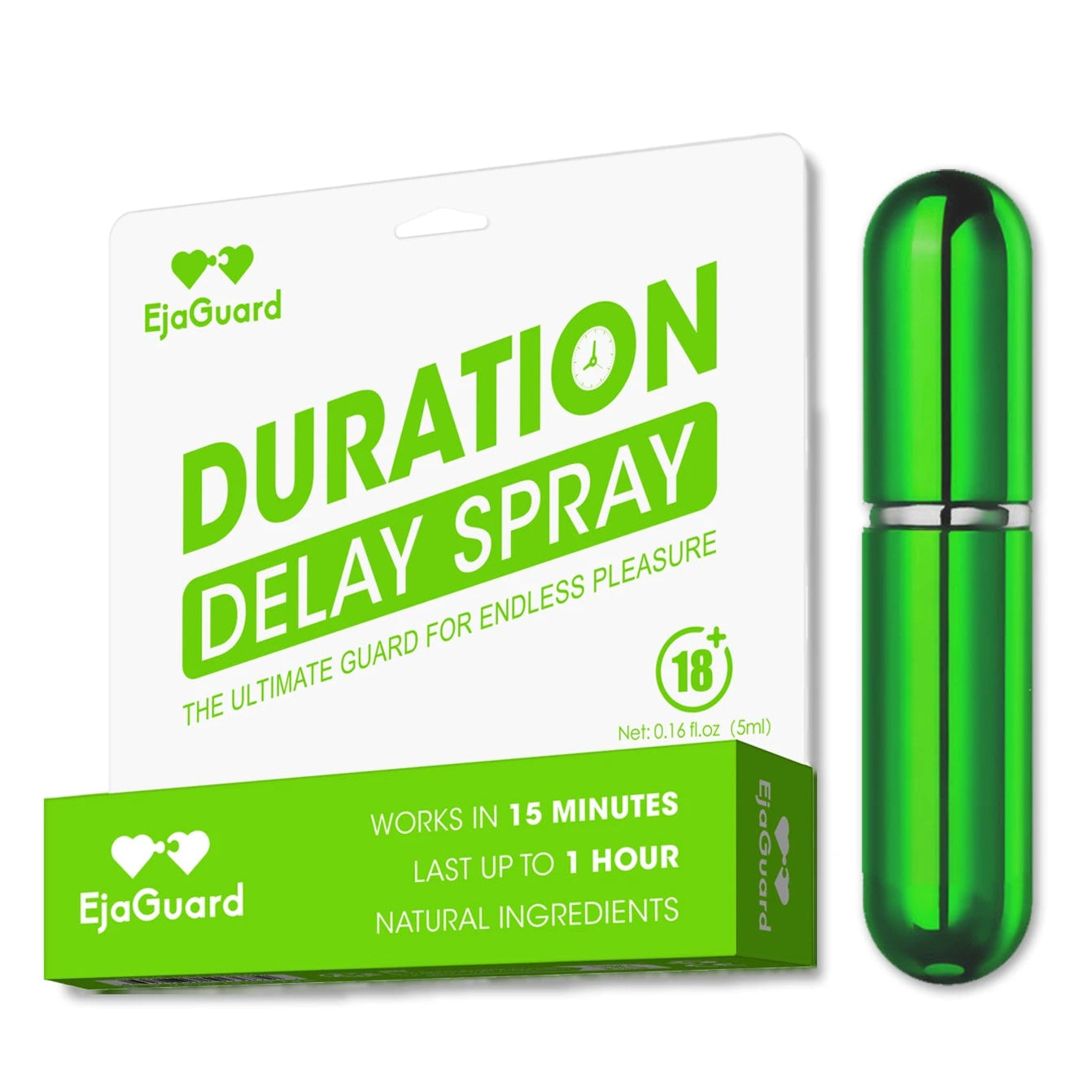
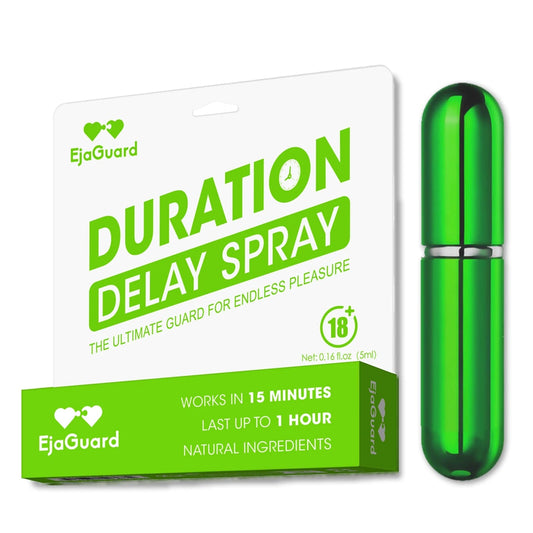
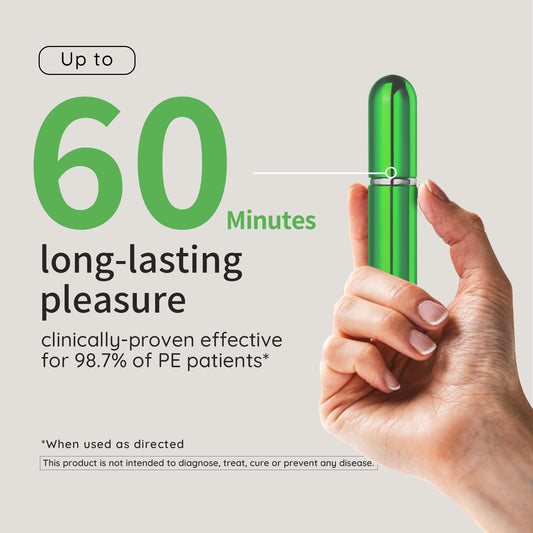
For men who prefer a milder approach to topical sensitivity management, EjaGuard can be mentioned as one example in the broader delay-spray category. The important point is that the product should be viewed as one tool for ejaculation control rather than as a treatment for a prostate or pelvic condition.
See the EjaGuard Delay Spray product page

The distinction is especially useful for educational content because it prevents two very different questions from being mixed together:
“How can I delay ejaculation?”
and
“Why am I experiencing pelvic or ejaculation-related pain?”
The first is a sexual-function question.
The second may require medical evaluation.
Sometimes both questions apply to the same person, but they shouldn't automatically be treated as the same problem.

When Should You See a Doctor?
Not every change in ejaculation requires a medical appointment.
However, persistent or recurring pelvic symptoms should not simply be ignored.
Consider talking with a healthcare professional if you experience:
- Persistent pelvic or perineal pain
- Pain during or after ejaculation
- Burning or painful urination
- Frequent or urgent urination
- Difficulty urinating
- New sexual symptoms that occur alongside pelvic or urinary symptoms
- Repeated changes in ejaculation that are significantly different from your usual pattern
- Fever, chills, or feeling acutely unwell alongside urinary or pelvic symptoms
Acute bacterial prostatitis can cause more sudden and systemic symptoms, while chronic prostatitis/CPPS tends to have a different presentation. A clinician can determine which possibilities need to be considered.
Review the AUA's male chronic pelvic pain guidance
It is also worth remembering that pelvic pain doesn't automatically mean prostate disease.
Other urinary, muscular, neurological, reproductive, or gastrointestinal conditions can produce overlapping symptoms.
That's another reason internet self-diagnosis can become confusing.
The goal isn't to convince yourself that you have prostatitis. The goal is to notice when ejaculation problems occur as part of a larger pattern.

What Should Men Pay Attention To?
If you're trying to understand a change in ejaculation, looking only at duration may not provide enough information.
Instead, consider the bigger picture.
1. Has the problem always been present?
Lifelong PE and acquired PE are not necessarily the same situation.
A man who has always ejaculated quickly may have a very different set of contributing factors from someone who developed the problem after years of normal sexual function.
2. Did other symptoms appear at the same time?
Pay attention to changes in urination, pelvic discomfort, genital pain, or ejaculation-related pain.
3. Is there a clear relationship with pain?
If ejaculation repeatedly causes pain or discomfort, that's an important symptom to mention to a healthcare provider.
4. Has your sexual experience changed in other ways?
Changes in erections, libido, orgasm, urinary function, or sexual confidence may provide useful context.
5. Is the problem causing significant distress?
Sexual symptoms matter partly because of how they affect the individual and the relationship.
A short ejaculation time by itself doesn't tell the whole story.
Frequently Asked Questions
Can prostatitis directly cause premature ejaculation?
There isn't enough evidence to say that prostatitis directly causes PE in every case.
Research does show an association between chronic prostatitis/chronic pelvic pain syndrome and sexual dysfunction, including PE. The mechanisms are likely complex and may involve physical symptoms, pain, pelvic factors, psychological effects, and other variables.
Can premature ejaculation cause prostatitis?
PE itself should not be assumed to cause prostatitis.
If someone has both conditions, it is more useful to evaluate them as potentially related but distinct problems rather than assuming one automatically caused the other.
Is painful ejaculation normal?
Occasional discomfort can have different causes, but recurrent or significant pain during or after ejaculation deserves attention.
Painful ejaculation is recognized as a symptom associated with chronic prostatitis/chronic pelvic pain syndrome and can also occur in other conditions.
Can a delay spray treat prostatitis?
No. A delay spray is intended to modify penile sensitivity and help with ejaculation control. It is not a treatment for prostatitis or chronic pelvic pain.
If pelvic pain or urinary symptoms are present, those symptoms should be evaluated separately.
Should I stop using a delay spray if I have pelvic pain?
The answer depends on the cause of the pain and the individual situation.
If a product causes irritation or discomfort, stop using it and seek appropriate medical advice. More importantly, don't use a delay spray to mask persistent pelvic or ejaculation-related pain without addressing the underlying symptom.
Does every man with prostatitis develop PE?
No.
CP/CPPS is associated with a higher burden of sexual dysfunction, but not everyone with prostatitis or chronic pelvic pain will develop PE. Individual symptoms vary considerably.
Can treating prostatitis make PE go away?
It may improve some sexual symptoms in some individuals, but there is no guarantee that treating a pelvic condition will completely resolve PE.
PE can have multiple contributing factors, so persistent ejaculation difficulties may still require their own evaluation and treatment.
The Bottom Line
Premature ejaculation is often treated as if it were simply a question of sensitivity or ejaculation timing.
Sometimes it is.
But not always.
For men experiencing pelvic pain, painful ejaculation, urinary symptoms, or a new change in ejaculation, it can be useful to look beyond the ejaculation itself.
Research has found a meaningful association between chronic prostatitis/chronic pelvic pain syndrome and sexual dysfunction, including premature ejaculation, erectile dysfunction, and painful ejaculation. However, the relationship is complex, and current evidence does not justify saying that prostatitis simply “causes” PE.
The practical takeaway is simple:
Don't look at ejaculation in isolation.
If the only issue is wanting more control over ejaculation, PE-specific strategies may be appropriate.
If ejaculation problems appear alongside pelvic or urinary symptoms, those symptoms deserve attention too.
And if a delay spray is part of your approach, think of it as a tool for managing sensitivity and ejaculation control—not as a solution for an underlying prostate or pelvic condition.
Understanding the difference can make it much easier to figure out what kind of help actually makes sense.
