

 Buy Now

كلوميد للنساء: كيفية عمله، وفوائده، وآثاره الجانبية، والأسئلة المتكررة حول الخصوبة

ما هو الكلوميد للنساء؟
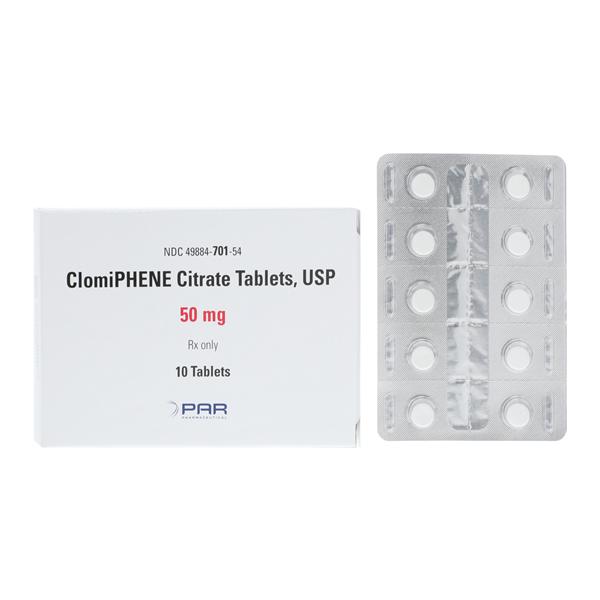
الكلوميد، المعروف أيضًا باسم سترات الكلوميفين، هو دواء يُصرف بوصفة طبية ويستخدم على نطاق واسع لعلاج العقم لدى النساء. وهو نوع من مُعدِّلات مستقبلات الإستروجين الانتقائية (SERM) التي تساعد على تحفيز الإباضة.
إذا كنتِ تحاولين الحمل دون نجاح، فقد يقترح طبيبك الكلوميد كعلاج أولي. غالبًا ما يستخدم للنساء اللواتي يعانين من دورات شهرية غير منتظمة، أو متلازمة تكيس المبايض (PCOS)، أو العقم غير المبرر.
يُؤخذ الكلوميد على شكل حبوب، عادةً في بداية دورتك الشهرية، وقد كان في الأسواق منذ عقود. ويعتبر آمنًا، ميسور التكلفة، وفعالًا عند استخدامه بشكل صحيح.
إذا كانت تحديات الخصوبة تسبب توتراً مرتبطاً بالعلاقة الحميمة، فإن مُزلقات EjaGuard يمكن أن تساعد في تعزيز الراحة خلال اللحظات الحساسة.
كيف يعمل الكلوميد في جسم المرأة
يعمل الكلوميد عن طريق خداع الدماغ ليعتقد أن مستويات الإستروجين في الجسم منخفضة. وهذا يحفز الغدة النخامية على إطلاق المزيد من الهرمون المنشط للحويصلة (FSH) والهرمون اللوتيني (LH). هذه الهرمونات هي المسؤولة عن نضوج البويضات وإطلاقها من المبايض.
ببساطة، الكلوميد يحفز الإباضة لدى النساء اللواتي لا تباضن بانتظام. فهو يخلق بيئة هرمونية تشجع المبايض على إنتاج بويضات ناضجة.
تتناول معظم النساء الكلوميد لمدة خمسة أيام متتالية، وعادةً ما يبدأ ذلك في اليوم الثالث أو الخامس من الدورة الشهرية. وغالبًا ما تحدث الإباضة بعد 5-10 أيام من تناول آخر حبة.
إذا أصبحت العلاقة الحميمة غير مريحة خلال تقلبات الهرمونات، يمكن أن تساعد جل Orgasms من EjaGuard على تحسين الإحساس والراحة.
من يجب أن تفكر في تناول الكلوميد؟

يوصى بالكلوميد للنساء اللواتي يعانين من مشاكل في الإباضة. الأسباب الشائعة لاستخدام الكلوميد تشمل:
-
متلازمة المبيض المتعدد الكيسات (PCOS)
-
دورات شهرية غير منتظمة أو غائبة
-
عقم غير مبرر
-
عيوب الطور الأصفري
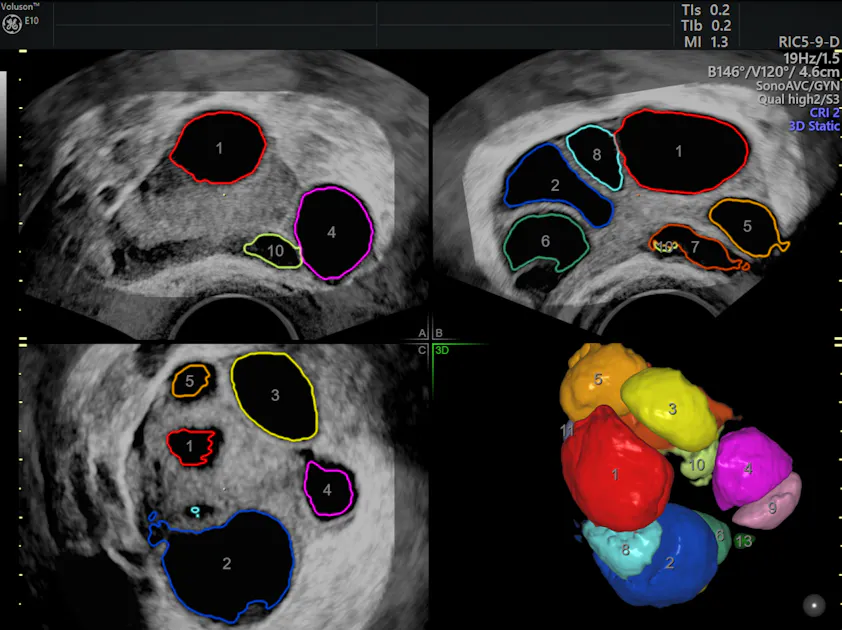
قد يطلب طبيبك فحوصات دم أو فحصاً بالموجات فوق الصوتية أساسياً قبل وصف الكلوميد. وعادةً ما يتم النظر فيه عندما لا تحدث الإباضة الطبيعية أو إذا كنت لا تحملين على الرغم من الدورات المنتظمة.
تكون النساء تحت سن 35 أكثر عرضة للاستجابة جيداً للكلوميد. أما بالنسبة لمن تجاوزن 35، فقد تشمل علاجات الخصوبة أيضاً التلقيح داخل الرحم (IUI) أو التلقيح الصناعي (IVF)، اعتماداً على عوامل أخرى مثل مخزون البويضات وخصوبة الشريك.
للحصول على معلومات داعمة حول الخصوبة والتوازن الهرموني والعافية العامة، يقدم مدونة EjaGuard مصادر مفيدة.
جرعة الكلوميد ودورات العلاج

تبدأ جرعة الكلوميد النموذجية بـ 50 ملغ يومياً لمدة 5 أيام. إذا لم تحدث الإباضة، فقد يزيد طبيبك الجرعة إلى 100 ملغ أو 150 ملغ في الدورة التالية.
يوصف الكلوميد عادة لمدة 3 إلى 6 دورات. إذا لم يحدث الحمل بعد ذلك، قد يتم النظر في خيارات خصوبة أخرى.
هكذا تبدو دورة الكلوميد الأساسية:
-
اليوم 3-7 أو 5-9: تناول الكلوميد يوميًا
-
اليوم 10-18: مراقبة الإباضة باستخدام مجموعات التنبؤ بالإباضة (OPKs)
-
اليوم 14-21: ممارسة الجماع الموقوت أو التلقيح داخل الرحم (IUI)
-
اليوم 21+: فحص البروجسترون أو اختبار الحمل
كل دورة تمنحك فرصة جديدة للإباضة والحمل.
معدلات نجاح الكلوميد وفرص الحمل
يُظهر الكلوميد نتائج مبهرة للعديد من النساء. تُظهر الدراسات:
-
80% من النساء سيباضن مع الكلوميد
-
40%–45% قد يحملن خلال 6 دورات
-
معظم حالات الحمل تحدث خلال الدورات الثلاث الأولى
ومع ذلك، لا يضمن الكلوميد الحمل. فبينما يساعد على الإباضة، إلا أنه لا يستطيع إصلاح مشاكل الخصوبة الأخرى مثل انسداد قناتي فالوب أو ضعف جودة البويضات.
تختلف معدلات النجاح أيضًا حسب العمر والصحة العامة. عادةً ما تحقق النساء الأصغر سنًا اللواتي لديهن دورات منتظمة وشركاء أصحاء نتائج أفضل.
الآثار الجانبية للكلوميد لدى النساء
مثل أي دواء، يمكن أن يكون للكلوميد آثار جانبية. معظمها خفيف ومؤقت. تشمل الآثار الجانبية الشائعة:
-
هبات ساخنة
-
انتفاخ
-
تقلبات المزاج
-
حساسية الثدي
-
صداع
-
غثيان
قد يتسبب الكلوميد أيضاً في تغيرات في مخاط عنق الرحم، مما قد يجعل حركة الحيوانات المنوية أكثر صعوبة. لتعويض ذلك، تستخدم بعض النساء مواد تشحيم تدعم الخصوبة.
في حالات نادرة، يمكن أن يؤدي الكلوميد إلى متلازمة فرط تحفيز المبيض (OHSS) أو تضخم المبيضين. إذا شعرت بألم شديد في البطن، أو انتفاخ، أو غثيان، فاتصلي بطبيبك فوراً.
هناك خطر آخر وهو الحمل المتعدد (مثل التوائم). في حين أن الخطر منخفض (حوالي 7-10%)، إلا أنه أعلى من الحمل الطبيعي.
الكلوميد مقابل ليتروزول: أيهما أفضل؟
الكلوميد وليتروزول (فيمارا) هما دواءان شائعان لتحفيز الإباضة.
| الميزة | الكلوميد | ليتروزول |
|---|---|---|
| النوع | معدل مستقبلات الإستروجين الانتقائية (SERM) | مثبط الأروماتاز |
| معدل الإباضة | 80% | 75–80% |
| معدل التوائم | 7–10% | 3–5% |
| الخط الأول لـ | متلازمة تكيس المبايض، دورات غير منتظمة | متلازمة تكيس المبايض، عقم غير مبرر |
| التكلفة | ميسور التكلفة | أعلى قليلاً |
قد يعمل ليتروزول بشكل أفضل للنساء المصابات بـ متلازمة تكيس المبايض (PCOS) أو اللواتي لم يستجبن للكلوميد. كما أن لديه خطراً أقل للحمل المتعدد وآثار جانبية أقل مرتبطة بالإستروجين.
ومع ذلك، لا يزال الكلوميد غالباً الخيار الأول بسبب تاريخه الطويل وتوافره الواسع.
بدائل طبيعية للكلوميد
ليس الجميع يرغبون في البدء بالأدوية الموصوفة. بعض الخيارات الطبيعية التي تدعم الإباضة تشمل:
-
شجرة العفة (Vitex): توازن الهرمونات وتدعم الطور الأصفري
-
الميو-إينوزيتول والدي-كايرو إينوزيتول: فعالة بشكل خاص لمتلازمة تكيس المبايض
-
جذر الماكا: قد يساعد في موازنة مستويات الإستروجين
-
الوخز بالإبر: أظهر تنظيم الدورات وتحسين جودة البويضات
-
تغييرات في النظام الغذائي: الأنظمة الغذائية المضادة للالتهابات (قليلة السكر، عالية الألياف) يمكن أن تدعم التوازن الهرموني
هذه ليست بدائل للكلوميد ولكنها قد تعزز الخصوبة الطبيعية لجسمك. تحدثي دائمًا مع طبيبك قبل البدء بأي مكمل.
الاحتياطات ونصائح السلامة
يجب استخدام الكلوميد فقط تحت إشراف طبي. قبل تناوله:
-
قومي بتقييم كامل للخصوبة
-
استبعدي مشاكل الغدة الدرقية أو الغدة النخامية
-
تأكدي من أنك لست حاملاً
-
تجنبي الكحول والتدخين أثناء العلاج
لا يوصى بالكلوميد للنساء المصابات بأمراض الكبد، أو النزيف المهبلي غير الطبيعي، أو تكيسات المبيض (غير المرتبطة بمتلازمة تكيس المبايض).
يمكن أن يؤدي الإفراط في استخدام الكلوميد أو التداوي الذاتي إلى مضاعفات، بما في ذلك مشاكل الخصوبة طويلة الأمد. التزم بحدود الدورة الموصى بها.
أفكار أخيرة: هل الكلوميد مناسب لك؟
يُعد الكلوميد للنساء أداة قوية لتعزيز الإباضة وزيادة فرص الحمل. إذا كنتِ تعانين من العقم أو عدم انتظام الدورة الشهرية، فقد يكون نقطة بداية بسيطة وميسورة التكلفة.
ومع ذلك، فهو ليس للجميع. تأكدي من التحدث مع طبيبك، وتتبع دوراتك، واتبعي خطة علاجك بدقة. وإذا لم ينجح الكلوميد، فلا تفقدي الأمل—هناك خيارات أخرى متاحة.
الأسئلة الشائعة حول الكلوميد للنساء
كم من الوقت يستغرق الكلوميد ليعمل؟
تباض معظم النساء في غضون 7-10 أيام بعد الانتهاء من دورة الكلوميد.
هل يمكنني الحمل في الدورة الأولى من الكلوميد؟
نعم، ولكن معظم النساء يحتجن من 2 إلى 3 دورات قبل الحمل.
هل يعمل الكلوميد للنساء فوق سن 35؟
يمكن أن يعمل، ولكن معدلات النجاح قد تكون أقل. تحدثي مع طبيبك حول الجمع بين الكلوميد والتلقيح داخل الرحم أو التلقيح الصناعي.
هل يزيد الكلوميد من فرصة الحمل بتوأم؟
نعم، ولكن بشكل طفيف فقط. حوالي 7-10% من حالات الحمل باستخدام الكلوميد تكون بتوأم.
هل هناك أي آثار جانبية طويلة الأمد؟
لا عادة. ولكن لا ينبغي استخدام الكلوميد لأكثر من 6 دورات.
