

 Buy Now

العناية بالشعر 101: حلول طبيعية لشعر أقوى وأكثر صحة

مقدمة عن معالجة الشعر

غالبًا ما يكون الشعر أول ما يلاحظه الناس فينا. وسواء كنت تعاني من الجفاف، أو التكسر، أو الترقق، فإن روتين معالجة الشعر الجيد يمكن أن يُحدث فرقًا كبيرًا.
ولكن مع وجود العديد من المنتجات والروتينات المتاحة، فمن السهل أن تشعر بالارتباك. يوضح هذا الدليل كل ما تحتاج معرفته عن علاجات الشعر—بدءًا من العلم وراءها ووصولًا إلى العلاجات الطبيعية المنزلية التي تعمل بالفعل.
هل أنت مستعد لمنح شعرك العناية التي يستحقها؟
لماذا تُعد معالجة الشعر مهمة

قد تقوم بغسل الشعر وتكييفه بانتظام، ولكن هذا مجرد السطح. فـ معالجات الشعر تذهب إلى أبعد من ذلك، حيث تساعد على استعادة وتغذية وحماية خصلات شعرك من التلف اليومي.
سواء كان شعرك مصبوغًا، أو يتعرض للحرارة، أو للمؤثرات البيئية، فإن العلاج المنتظم يمكن أن:
-
يُصلح قشور الشعر التالفة
-
يُقوي ألياف الشعر
-
يُحفز صحة فروة الرأس لنمو الشعر
-
يمنع التكسر وتقصف الأطراف
معالجة شعرك ليست مجرد رفاهية، إنها صيانة، تمامًا مثل العناية بالبشرة أو نظافة الفم.
مشاكل الشعر الشائعة وأسبابها

قبل اختيار العلاج المناسب، حدد ما يحتاجه شعرك. تشمل بعض مشاكل الشعر الأكثر شيوعًا ما يلي:
1. جفاف أو تجعد الشعر
يُسببه أدوات التصفيف بالحرارة، والشامبوهات القاسية، أو التغيرات الجوية. وهذا يؤدي إلى فقدان الرطوبة وضعف خصلات الشعر.
2. تساقط أو ترقق الشعر
تلعب عوامل مثل الإجهاد، والاختلال الهرموني، وسوء التغذية، والوراثة دورًا في ذلك.
3. تقصف الأطراف والتكسر
ينتج عن الضرر الجسدي الناتج عن التمشيط، أو ربط الشعر بإحكام شديد، أو الإفراط في المعالجة.
4. فروة الرأس الدهنية أو تراكم الشوائب
يمكن أن تؤدي الغدد الدهنية المفرطة النشاط ونقص التنظيف المناسب إلى انسداد البصيلات وإبطاء نمو الشعر.
يساعد فهم السبب الجذري على اختيار طريقة معالجة الشعر المناسبة—سواء كانت ترطيبًا، أو إزالة السموم، أو تقوية.
أنواع معالجات الشعر المشروحة

هناك عدة أنواع من معالجات الشعر المصممة لمعالجة مشاكل مختلفة. إليك أكثرها شيوعًا:
علاج الترطيب العميق
هذا يُعيد الرطوبة واللمعان. وهو مثالي للشعر الجاف أو المجعد، ويستخدم تركيبات غنية تخترق جذع الشعرة.
كم مرة؟ مرة واحدة في الأسبوع للحصول على أفضل النتائج.
علاج البروتين
يتكون الشعر من الكيراتين (بروتين). إذا كان شعرك يبدو مطاطيًا أو لزجًا، فقد يحتاج إلى تعزيز بالبروتين. هذه العلاجات تقوي وتعيد بناء البنية.
ملاحظة: لا تُفرط في الاستخدام. مرة واحدة كل 2-4 أسابيع تكفي.
تنقية فروة الرأس
فروة رأسك هي بشرة أيضًا. علاجات التنقية تزيل التراكمات، وتُنظف البصيلات، وتشجع النمو.
مثالي لـ: فروة الرأس الدهنية، والقشرة، أو مخاوف تساقط الشعر.
علاجات تترك على الشعر
هذه تحمي الشعر طوال اليوم. وتساعد على فك التشابك، وتقليل التجعد، وتعمل كحاجز ضد تصفيف الشعر بالحرارة والتلوث.
علاجات الشعر الطبيعية في المنزل

أحيانًا، يكون أفضل علاج للشعر موجودًا بالفعل في مطبخك. إليك بعض الحلول الطبيعية التي تُغذي الشعر بدون مواد كيميائية قاسية:
1. زيت جوز الهند
يخترق جذع الشعرة، ويمنع فقدان البروتين.
كيف يُستخدم: سخّني ملعقة كبيرة، ودلّكي بها الشعر وفروة الرأس، واتركيه طوال الليل.
2. زيت الخروع
غني بحمض الريسينوليك، زيت الخروع يعزز نمو الشعر وكثافته.
نصيحة: اخلطيه مع زيوت أخف مثل الأرغان أو الجوجوبا لسهولة التطبيق.
3. زيت الأرغان
مليء بفيتامين E ومضادات الأكسدة. رائع لتهدئة الشعر المجعد وإضافة اللمعان.
يُستخدم: كعلاج يُترك على الشعر أو واقٍ من الحرارة.
4. قناع الشعر المنزلي (عسل + موز)
اهرسي موزة واحدة مع ملعقة كبيرة من العسل. ضعيه على الشعر، اتركيه لمدة 20 دقيقة، ثم اشطفيه.
الفوائد: الترطيب والنعومة، مثالي للشعر الجاف.
5. تدليك فروة الرأس
يعزز الدورة الدموية وتوصيل المغذيات إلى البصيلات.
جرب هذا: تدليك فروة الرأس لمدة 5 دقائق كل ليلة باستخدام أطراف الأصابع أو فرشاة التدليك.
هذه العلاجات الطبيعية للشعر سهلة وبأسعار معقولة وخالية من الإضافات القاسية.
علاج الشعر التالف أو الخفيف

تلف الشعر لا يحدث بين عشية وضحاها—وكذلك التعافي. ولكن العلاج المستمر يساعد على استعادة القوة والمرونة.
أفضل علاجات الشعر التالف:
-
علاجات البروتين لإعادة بناء البنية
-
البلسم العميق لاستعادة الرطوبة
-
تقليم الأطراف كل 6-8 أسابيع لمنع التقصف
للشعر الخفيف أو المتساقط:
-
تدليك فروة الرأس بزيت الخروع
-
سيروم نمو الشعر بالبيوتين أو الكافيين
-
علاجات تنقية فروة الرأس (مثل شطف خل التفاح)
إذا استمر تساقط الشعر، فكر في استشارة طبيب أمراض جلدية لتشخيص إضافي.
اختيار علاج الشعر المناسب لنوع شعرك
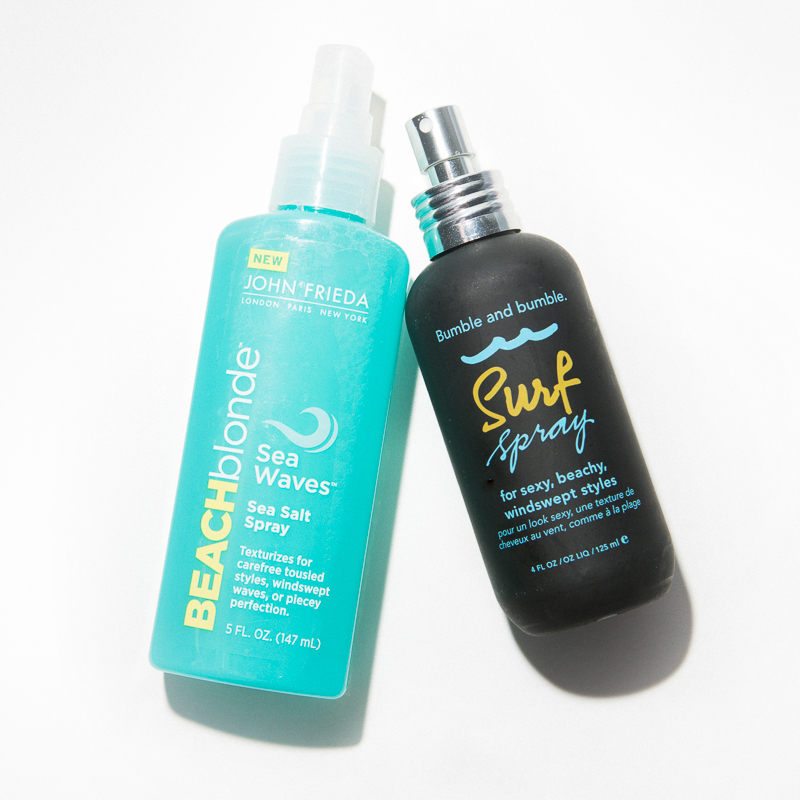
تحتاج أنواع الشعر المختلفة إلى رعاية مختلفة:
| نوع الشعر | أفضل نوع علاج |
|---|---|
| مستقيم/ناعم | منتجات خفيفة تترك على الشعر لزيادة الحجم |
| مُموج | بلسم عميق مرطب |
| مجعد/متشابك | كريمات ثقيلة، أقنعة البروتين والترطيب |
| معالج بالصبغة | أقنعة خالية من الكبريتات، لإصلاح الروابط |
| فروة رأس دهنية | مقشرات فروة الرأس المنقية ومنتجات إزالة السموم |
نصيحة: اختبر دائمًا العلاجات الجديدة على جزء صغير من الشعر وتجنب تطبيق علاجات البروتين بشكل مفرط — فقد تجعل الشعر هشًا إذا استخدمت بكميات زائدة.
روتين معالجة الشعر: كم مرة يجب أن تقوم به؟
يعتمد جدول معالجة الشعر على احتياجات شعرك ونمط حياتك.
إليك دليل بسيط:
-
أسبوعيًا: بلسم عميق أو قناع منزلي الصنع
-
كل أسبوعين: علاج بروتيني (إذا كان الشعر ضعيفًا/تالفًا)
-
شهريًا: تنقية فروة الرأس أو شطف منقي
-
يوميًا: سيروم يترك على الشعر أو زيت خفيف للحماية
الانتظام هو المفتاح. فإرهاق شعرك بالمعالجات يمكن أن يسبب التراكم أو عدم التوازن.
الأسئلة الشائعة حول علاج الشعر
س1: ما هو أفضل علاج للشعر الجاف؟
الإجابة: يعتبر علاج الترطيب العميق بزيت جوز الهند أو الأرغان مثاليًا. ابحث عن المنتجات التي تحمل علامة "مرطب" أو "إصلاح الرطوبة".
س2: هل يمكن أن تسبب علاجات الشعر التلف؟
الإجابة: فقط إذا أُفرط في استخدامها. يمكن أن يؤدي الإفراط في البروتين، أو استخدام زيوت ثقيلة على الشعر الخفيف، أو الشطف السيئ إلى مشاكل. التزم باحتياجات نوع شعرك.
س3: كم مرة يجب أن أعالج شعري؟
الإجابة: مرة واحدة في الأسبوع هي بداية جيدة. عدّل ذلك بناءً على شعورك – أكثر تكرارًا للجفاف، وأقل لفروة الرأس الدهنية.
س4: هل يمكنني خلط علاجات الشعر؟
الإجابة: نعم، ولكن كن حذرًا. على سبيل المثال، يمكنك دمج بلسم عميق مع الزيوت ولكن تجنب وضع الكثير من المنتجات الغنية بالبروتين فوق بعضها البعض.
س5: هل علاجات الشعر الطبيعية أفضل؟
الإجابة: بالنسبة للكثيرين، نعم. تقلل علاجات الشعر الطبيعية من خطر التهيج والتراكم. ولكن قد تعمل ببطء أكثر من المنتجات الاصطناعية.
خواطر أخيرة: عالج شعرك بطريقة EjaGuard
الشعر الصحي لا يحدث بالصدفة. إنه نتيجة العناية المستمرة، والمكونات الطبيعية، والعلاجات الصحيحة.
تتبنى EjaGuard العناية الشخصية الآمنة والفعالة والطبيعية — وهذا يمتد إلى شعرك أيضًا. إذا كنت تبحث عن حل خالٍ من البارابين ومغذي، اجعل العناية بالشعر جزءًا من روتينك للعناية الذاتية اليوم.
هل أنت مستعد لتطوير روتين العناية بشعرك؟
اكتشف مجموعتنا القادمة من علاجات الشعر EjaGuard — نظيفة، وفعالة، ومتجذرة في الطبيعة.
