

 Buy Now

شرح الكونجاك: فوائده الرئيسية، استخداماته، والاهتمام المتزايد به في مجال الصحة والعافية

مقدمة
تظهر عبارة "كونجاك كونجاك" بشكل متكرر في عمليات البحث لأن الناس يرغبون في معرفة ماهية الكونجاك وكيفية عمله. يبحث البعض عن النبتة نفسها، بينما يبحث آخرون عن مسحوق الكونجاك، أو نودلز الكونجاك، أو مكملات الجلوكومانان. ويرغب الكثيرون ببساطة في فهم سبب تحول الكونجاك إلى عنصر أساسي في الحميات الغذائية التي تركز على إنقاص الوزن وتحسين الهضم.
باختصار: الكونجاك هو نبات جذري متعدد الاستخدامات يستخدم في الطعام والمكملات الغذائية والألياف الغذائية - وهو معروف في جميع أنحاء العالم بانخفاض سعراته الحرارية وارتفاع نسبة الألياف القابلة للذوبان فيه.
تمامًا كما يرغب بعض الباحثين في معرفة أنواع كريمات تكبير القضيب في الواقع، أولئك الذين يبحثون في جوجل عن "كونجاك كونجاك" غالباً ما يبحثون عن توضيح الفرق بين النبات والمسحوق والطعام المصنّع.
ما هو الكونجاك؟
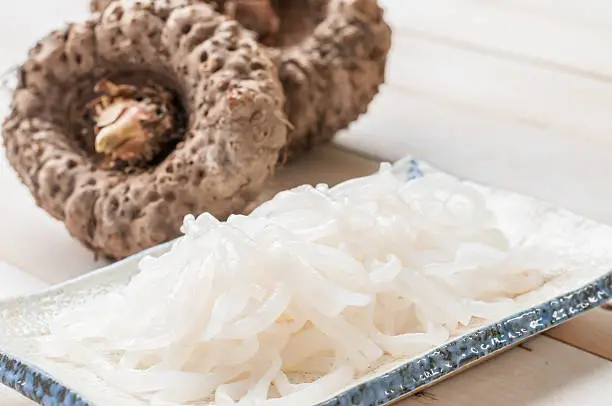
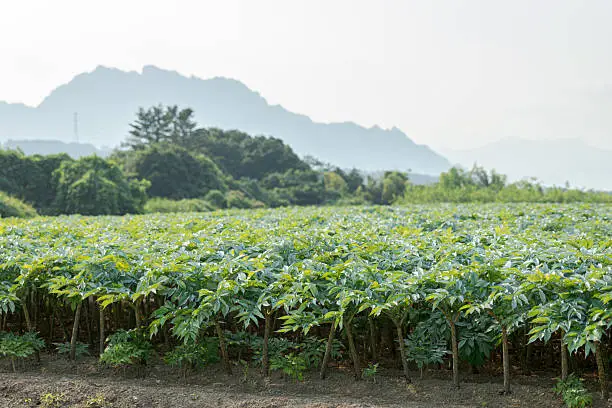
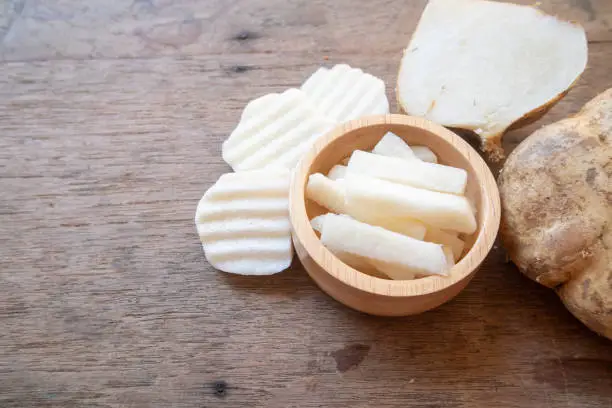
الكونجاك (Amorphophallus konjac) هو نبات جذري موطنه أجزاء من آسيا، وخاصة اليابان والصين وجنوب شرق آسيا. الجزء الصالح للأكل منه هو جذر الكونجاك ، والذي يُطلق عليه أيضًا اسم "يام الفيل"، على الرغم من أنه لا ينتمي إلى فصيلة اليام الحقيقي.
يُعدّ جذر الكونجاك غنيًا بالغلوكومانان ، وهو ألياف قابلة للذوبان تمتص الماء وتتمدد حتى 50 ضعف وزنها. وهذا ما يجعل الكونجاك مشبعًا للغاية رغم احتوائه على سعرات حرارية قليلة. وبسبب هذه الخاصية، يُستخدم الكونجاك في:
-
حميات منخفضة الكربوهيدرات وحمية الكيتو
-
برامج إدارة الوزن
-
الطبخ النباتي
-
وجبات مناسبة لمرضى السكري
-
مكملات غذائية لصحة الجهاز الهضمي
عندما يبحث الناس عن "كونجاك كونجاك"، فإنهم غالباً ما يشيرون إلى كل من النبات والعديد من المنتجات المصنوعة منه.
يشبه ذلك كيفية عمل المزلقات الطبيعية يوفر وظيفة سلسة بأقل قدر من الإضافات - يحقق الكونجاك فوائد غذائية ببساطة وبأقل قدر من السعرات الحرارية.
نظرة عامة على القيمة الغذائية للكونجاك

يتميز نبات الكونجاك بتركيبته الغذائية الفريدة التي تساهم في شعبيته.
أهم المعلومات الغذائية (لكل 100 غرام من نودلز الكونجاك المُجهزة)
-
السعرات الحرارية: حوالي 10-15
-
الكربوهيدرات: نسبة منخفضة جداً من الكربوهيدرات الصافية (معظمها يأتي من الألياف)
-
الألياف: كميات عالية من الجلوكومانان
-
الدهون: 0
-
البروتين: 0-1 غرام
-
محتوى الماء: مرتفع للغاية
لأن الكونجاك يتكون في الغالب من الألياف والماء، فإنه يوصف غالبًا بأنه طعام "خالي من السعرات الحرارية" أو "خالي من الكربوهيدرات"، على الرغم من أنه يحتوي من الناحية الفنية على كميات صغيرة.
لماذا يُعدّ فعالاً في إدارة الوزن؟
تمتص ألياف الجلوكومانان الموجودة في الكونجاك الماء، مكونة مادة شبيهة بالهلام يمكنها:
-
زيادة الشعور بالشبع
-
بطء إفراغ المعدة
-
يساعد على تنظيم الشهية
-
تقليل الرغبة الشديدة
ولهذا السبب يلجأ الكثير من الناس الذين يبحثون عن مكون طبيعي للتحكم في الشهية إلى جذر الكونجاك أو الأطعمة المصنوعة من الكونجاك.
مثل العديد من معززات الصحة الخفيفة ، يُقدّر الكونجاك لما لا يحتويه - لا دهون، ولا سكر، ولا مواد مالئة غير ضرورية.
فوائد الكونجاك مدعومة بالأبحاث

لا يُعدّ الكونجاك مجرد طعام رائج، بل يستند إلى أسس علمية حقيقية. إليكم أهم فوائده.
✔ 1. يدعم فقدان الوزن من خلال الشعور بالشبع
تتمدد ألياف غلوكومانان الموجودة في الكونجاك في المعدة، مما يمنحك شعوراً بالشبع لفترة أطول. وهذا يقلل بشكل طبيعي من استهلاك السعرات الحرارية دون الحاجة إلى اتباع نظام غذائي مقيد. يستخدم الكثيرون نودلز الكونجاك أو أرز الكونجاك أو المكملات الغذائية كجزء من خطط إنقاص الوزن.
✔ 2. يحسن الهضم وصحة الأمعاء
تلعب الألياف القابلة للذوبان دورًا أساسيًا في عملية الهضم. يمكن أن يساعد الكونجاك في:
-
تخفيف الإمساك
-
تحسين قوام البراز
-
دعم توازن الميكروبيوم المعوي
يعمل بشكل مشابه لقشور السيليوم ولكن بخصائص ربط الماء أقوى.
✔ 3. يساعد على خفض مستوى الكوليسترول الضار (LDL)
تشير الدراسات إلى أن الغلوكومانان يمكن أن يقلل من الكوليسترول "الضار" عن طريق ربط الأحماض الصفراوية في الجهاز الهضمي. ومع مرور الوقت، قد يدعم ذلك صحة القلب.
✔ 4. يساعد على تنظيم ارتفاعات نسبة السكر في الدم
يُبطئ نبات الكونجاك امتصاص الكربوهيدرات، مما يُساعد على تجنب الارتفاعات الحادة في مستوى السكر في الدم. وهذا يجعله إضافةً ذكيةً للأفراد الذين يُراقبون مستويات السكر في الدم أو يتبعون حميات غذائية مناسبة لمرضى السكري.
✔ ٥. مثالي للأنظمة الغذائية منخفضة الكربوهيدرات، والكيتو، والأنظمة الغذائية الغنية بالألياف
نظراً لانخفاض نسبة السعرات الحرارية والكربوهيدرات الصافية في الكونجاك بشكل كبير، فإنه يُستخدم عادةً كبديل لما يلي:
-
معكرونة
-
أرز
-
معكرونة غنية بالكربوهيدرات
-
بعض الحلويات
وهذا يجعل الكونجاك أحد أكثر المواضيع بحثًا بين الأشخاص الذين يضعون خططًا غذائية منخفضة الكربوهيدرات.
المخاطر المحتملة والآثار الجانبية
على الرغم من أن الكونجاك آمن بشكل عام، إلا أن هناك بعض الاحتياطات التي يجب فهمها.
حساسية الجهاز الهضمي
نظراً لاحتواء الكونجاك على ألياف قابلة للذوبان قوية، فإن تناول كمية كبيرة منه بسرعة قد يسبب ما يلي:
-
الانتفاخ
-
غاز
-
إسهال
-
اضطراب في المعدة
ابدأ بكميات صغيرة وزدها تدريجياً.
خطر الاختناق (خاصةً مع أكواب جيلي الكونجاك)
تُعتبر حلوى الكونجاك اليابانية التقليدية من الحلويات التي قد تسبب الاختناق، لأنها لا تذوب بسهولة. لذا، يُرجى اتباع إرشادات السلامة وتجنب إعطاء هذه المنتجات للأطفال الصغار.
التفاعلات مع الأدوية
قد تتداخل ألياف الكونجاك مع امتصاص بعض الأدوية عند تناولها في نفس الوقت. يُفضل تناول مكملات الكونجاك بفاصل زمني لا يقل عن ساعة إلى ساعتين بين تناولها والأدوية.
إرشادات الاستهلاك اليومي
يوصي معظم خبراء التغذية بتناول 1-4 غرام من غلوكومانان يومياً ، وذلك حسب قدرة الجسم على تحمل عملية الهضم.
شرح منتجات الكونجاك المختلفة
عندما يبحث الناس عن "كونجاك كونجاك"، فإنهم غالبًا ما يستكشفون خيارات المنتجات ضمن فئات الأطعمة والمكملات الغذائية. إليكم أكثر الأنواع شيوعًا.
1. نودلز كونجاك (نودلز شيراتكي)
تُعدّ هذه الشعيرية الشفافة أشهر منتجات الكونجاك. وهي شبه خالية من السعرات الحرارية وتُستخدم كبديل للمعكرونة في:
-
أطباق مقلية
-
الشوربات
-
السلطات
-
أطباق منخفضة الكربوهيدرات
2. أرز الكونجاك
قطع صغيرة من الكونجاك على شكل حبات الأرز، تُعد بديلاً ممتازاً للأرز الأبيض. تحظى بشعبية واسعة بين متبعي حمية الكيتو ومرضى السكري.
3. وجبات خفيفة من جيلي الكونجاك
غالباً ما تكون هذه الوجبات الخفيفة المطاطية محلاة، وتأتي في أكواب أو أكياس صغيرة. وهي شائعة في العديد من الدول الآسيوية، ويتم تسويقها غالباً على أنها وجبة خفيفة منخفضة السعرات الحرارية.
4. مسحوق الكونجاك
يُصنع عن طريق طحن جذور الكونجاك المجففة. يُستخدم كـ:
-
مُكثِّف
-
عامل التبلور
-
مكمل غذائي غني بالألياف
5. كبسولات غلوكومانان
يُستخدم الكونجاك في شكل مكمل غذائي في كثير من الأحيان للتحكم في الشهية أو دعم الجهاز الهضمي.
كيفية طهي واستخدام الكونجاك
قد تكون رائحة وملمس الكونجاك مفاجئة للمستخدمين لأول مرة، لكن التحضير المناسب يحدث فرقاً كبيراً.
الخطوة الأولى: اشطف جيداً
تُحفظ منتجات الكونجاك في سائل قلوي ذي رائحة ترابية طبيعية. اشطف المعكرونة أو الأرز تحت الماء الجاري لمدة ٢٠-٣٠ ثانية.
الخطوة الثانية: الغليان (اختياري ولكن يُنصح به)
غلي الكونجاك لمدة دقيقة إلى دقيقتين:
-
يزيل الروائح
-
يحسن الملمس
-
يسمح بامتصاص النكهات بشكل أفضل
الخطوة الثالثة: القلي الجاف للحصول على أفضل قوام
إضافة الكونجاك إلى مقلاة جافة لمدة 2-3 دقائق يجعل النودلز أكثر تماسكاً وأقرب إلى المعكرونة.
نصيحة للنكهة:
يمتص الكونجاك الصلصات بشكل ممتاز. يُنصح بتناوله مع نكهات قوية مثل الثوم، وصلصة الصويا، والفلفل الحار، أو صلصات المعكرونة الكريمية.
الكونجاك مقابل الأطعمة الأخرى منخفضة السعرات الحرارية
كونجاك ضد شيراتاكي
نودلز الشيراتاكي هي نودلز مصنوعة من الكونجاك. غالباً ما يُستخدم المصطلحان بشكل متبادل، على الرغم من أن "شيراتاكي" هو الاسم الياباني.
نودلز الكونجاك مقابل نودلز الكوسا
-
تُعتبر نودلز الكوسا نباتية وتحتوي على سعرات حرارية أكثر.
-
نودلز الكونجاك خالية تقريباً من السعرات الحرارية، لكنها تتميز بقوام أكثر مضغاً.
نودلز الكونجاك مقابل نودلز التوفو
نودلز التوفو أكثر ليونة وتحتوي على البروتين، بينما الكونجاك غني بالألياف ومنخفض السعرات الحرارية.
بالنسبة للأشخاص الذين يبحثون عن "كونجاك كونجاك"، تساعد هذه المقارنة في توضيح سبب تميز الكونجاك بين بدائل المعكرونة منخفضة السعرات الحرارية.
كيفية اختيار منتج كونجاك عالي الجودة
ليست جميع منتجات الكونجاك صحية بنفس القدر. ابحث عن التالي:
✔ قائمة مختصرة بالمكونات
أفضل أنواع نودلز الكونجاك تحتوي على:
-
ماء
-
دقيق الكونجاك
-
هيدروكسيد الكالسيوم (عامل طبيعي لشد البشرة)
تجنب المنتجات التي تحتوي على كميات زائدة من المواد المالئة أو النشويات أو الألوان الاصطناعية.
✔ ملصقات الاعتماد
اختر المنتجات التي تحتوي على:
-
غير معدل وراثيًا
-
خالي من الغلوتين
-
نباتي
-
ادعاءات غنية بالألياف
هذه الأمور تدعم نقاء المنتج.
✔ تغليف مناسب
يجب حفظ الكونجاك في الماء مع تاريخ انتهاء صلاحية واضح. يُحفظ في مكان بارد وجاف.
✔ علامات تجارية موثوقة
تقدم بعض العلامات التجارية نودلز الكونجاك العضوية أو المنكهة التي تتميز بملمس وطعم أفضل. السمعة مهمة، خاصة بالنسبة للمكملات الغذائية.
أسئلة شائعة حول الكونجاك
هل الكونجاك مفيد لفقدان الوزن؟
نعم. تتمدد ألياف الغلوكومانان الموجودة فيها مع الماء، مما يساعدك على الشعور بالشبع مع استهلاك سعرات حرارية قليلة جدًا. يلجأ العديد من المستخدمين إلى إضافة نودلز الكونجاك أو المكملات الغذائية إلى برامجهم لإنقاص الوزن.
هل الكونجاك فعال بالفعل؟
تم تأكيد فعالية الكونجاك من خلال الأبحاث، وخاصة فيما يتعلق بالتحكم في الشهية والهضم وإدارة الكوليسترول.
كم مرة يمكنك تناول الكونجاك؟
يُعد الاستهلاك اليومي آمناً بشكل عام، ولكن يُنصح بالبدء بكميات صغيرة لتجنب اضطرابات الجهاز الهضمي.
هل نبات الكونجاك آمن للأطفال؟
تعتبر نودلز الكونجاك والأرز آمنة بشكل عام، لكن أكواب جيلي الكونجاك قد تشكل مخاطر الاختناق ولا ينصح بها للأطفال الصغار.
هل يحتوي الكونجاك على الكربوهيدرات؟
يحتوي الكونجاك على الكربوهيدرات، لكن معظمها ألياف قابلة للذوبان - مما يعني وجود كمية قليلة جدًا من الكربوهيدرات الصافية.
الخاتمة
الكونجاك ليس مجرد مكون رائج، بل هو غذاء فريد غني بالألياف يدعم الهضم، ويساعد في إدارة الوزن، ويعزز الصحة العامة. سواء كنت تستخدم نودلز الكونجاك في وجبات قليلة الكربوهيدرات، أو تستكشف وجبات جيلي الكونجاك الخفيفة، أو تتناول مكملات الجلوكومانان، فإن فوائده كبيرة طالما أنك تستخدمه بشكل مسؤول.
إذا كان مصطلح "كونجاك كونجاك" هو ما أوصلك إلى هنا، فأنت الآن على دراية بكل شيء بدءًا من أصول النبتة ووصولًا إلى قيمتها الغذائية وفوائدها ومخاطرها وطرق طهيها. لا يزال الكونجاك أحد أقوى الأدوات الطبيعية للتحكم في الشهية ودعم عملية الهضم، مما يجعله إضافة ذكية للأنظمة الغذائية الحديثة التي تهتم بالصحة.
