

 Buy Now
الآثار الجانبية للريتاترُتيد: ما تحتاج لمعرفته قبل استخدام دواء إنقاص الوزن هذا

ما هو ريتاترورايد وكيف يعمل؟

ريتاترورايد هو دواء تجريبي لفقدان الوزن وعلاج السكري.
لم تتم الموافقة عليه بعد للاستخدام العام بشكل كامل.
ما الذي يجعله مختلفًا؟
يستهدف ثلاثة مستقبلات هرمونية في آن واحد:
-
GLP-1
-
GIP
-
الجلوكاجون
معظم أدوية إنقاص الوزن الشائعة تستهدف مستقبلًا واحدًا أو اثنين فقط.
من خلال تنشيط هذه المسارات، يقوم ريتاترورايد بما يلي:
-
يقلل الشهية
-
يبطئ إفراغ المعدة
-
يحسن حساسية الأنسولين
-
يزيد من حرق السعرات الحرارية
يبدو ذلك مثيرًا للإعجاب. وتظهر التجارب المبكرة نتائج كبيرة في إنقاص الوزن.
لكن مع الآثار الأيضية الأقوى تأتي آثار جانبية محتملة أقوى.
الآثار الجانبية الشائعة للريتاترورايد

معظم الآثار الجانبية للريتاترورايد المبلغ عنها هي هضمية.
وتشمل هذه:
-
الغثيان
-
القيء
-
الإسهال
-
الإمساك
-
آلام المعدة
-
انخفاض الشهية
تظهر هذه الأعراض غالبًا أثناء زيادة الجرعة.
لماذا؟
لأن أدوية GLP-1 تبطئ عملية الهضم.
يحتاج جسمك إلى وقت للتكيف.
ما مدى شيوع هذه الآثار الجانبية؟
في التجارب السريرية، عانى العديد من المشاركين من غثيان خفيف إلى معتدل.
الجرعات العالية زادت من شدة الأعراض.
الخبر السار؟
معظم الأعراض تحسنت بمرور الوقت.
ومع ذلك، أوقف بعض المستخدمين العلاج بسبب الانزعاج. وهذا مهم للنظر فيه.
آثار جانبية خطيرة وطويلة الأمد للريتاترورايد
بينما تعد مشاكل الجهاز الهضمي شائعة، إلا أن بعض المخاطر أكثر خطورة.
1. خطر التهاب البنكرياس
ارتبطت أدوية GLP-1 بالتهاب البنكرياس.
تشمل الأعراض:
-
آلام شديدة في البطن
-
القيء
-
الحمى
اطلب الرعاية الطبية فورًا إذا حدث ذلك.
2. مخاوف من أورام الغدة الدرقية
تحمل بعض أدوية GLP-1 تحذيرات بشأن أورام الخلايا C في الغدة الدرقية في الدراسات على الحيوانات.
لا يزال من غير الواضح ما إذا كان هذا ينطبق مباشرة على البشر الذين يستخدمون ريتاترورايد.
لكن يُنصح بالحذر.
3. مشاكل المرارة
يمكن أن يؤدي فقدان الوزن السريع إلى زيادة خطر الإصابة بما يلي:
-
حصى المرارة
-
التهاب المرارة
هذا ليس خاصًا بالريتاترورايد، ولكنه خطر معروف.
4. الآثار القلبية الوعائية
نظرًا لأن الريتاترورايد ينشط أيضًا مستقبلات الجلوكاجون، فقد يزيد من معدل ضربات القلب.
بالنسبة للأشخاص الذين يعانون من أمراض القلب، قد يكون هذا مهمًا.
ريتاترورايد مقابل أدوية GLP-1 الأخرى

قد تتساءل كيف تقارن الآثار الجانبية للريتاترورايد بالأدوية الأخرى.
دعونا نلقي نظرة على خيارين معروفين:
-
سيماغلوتايد
-
تيرزيباتايد
ينشط ريتاترورايد مسارًا هرمونيًا إضافيًا.
قد يفسر هذا كلاً من:
-
فقدان وزن أكبر
-
ارتفاع معدل الأعراض الهضمية
نظرًا لأنه يعمل على ثلاثة مستقبلات، قد تكون الآثار الجانبية أقوى بجرعات أعلى.
ومع ذلك، لا يزال البحث جاريًا.
بيانات السلامة على المدى الطويل محدودة مقارنة بالأدوية القديمة.
من يجب أن يتجنب الريتاترورايد؟
يجب على بعض الأشخاص توخي الحذر الشديد.
قد تحتاج إلى تجنبه إذا كنت تعاني من:
-
تاريخ شخصي أو عائلي لسرطان الغدة الدرقية
-
تاريخ التهاب البنكرياس
-
مرض الجهاز الهضمي الشديد
-
أمراض القلب غير المسيطر عليها
تحدث دائمًا مع مقدم رعاية صحية مؤهل.
التداوي الذاتي بأدوية إنقاص الوزن ليس آمنًا أبدًا.
كيفية تقليل الآثار الجانبية للريتاترورايد
إذا تم وصفه في المستقبل، فإليك طرق قد يقلل بها الأطباء من الانزعاج:
1. ابدأ بجرعة منخفضة وزدها ببطء
زيادة الجرعات تدريجيًا تساعد الجسم على التكيف.
2. تناول وجبات أصغر
الوجبات الكبيرة تزيد من الغثيان.
3. حافظ على ترطيب الجسم
الجفاف يجعل الآثار الجانبية أسوأ.
4. مراقبة الأعراض
تتبع أنماط الجهاز الهضمي ومستويات الطاقة.
نمط الحياة مهم أيضًا.
التغذية المتوازنة، النوم، والحركة تدعم صحة الهرمونات بشكل طبيعي.
في EjaGuard، نؤمن بالتحسينات الصحية الآمنة والمستدامة.
الحلول السريعة مغرية، لكن العافية على المدى الطويل تفوز دائمًا.
هل يؤثر الريتاترورايد على الصحة الجنسية؟
يمكن لأدوية إنقاص الوزن أن تؤثر على الهرمونات.
فقدان الدهون السريع قد:
-
يحسن مستويات هرمون التستوستيرون لدى الرجال الذين يعانون من زيادة الوزن
-
يزيد الثقة بالنفس
-
يحسن تدفق الدم
لكن الغثيان أو التعب أو الإجهاد الناتج عن الآثار الجانبية يمكن أن يقلل الرغبة الجنسية مؤقتًا.
إذا أصبح الأداء الجنسي مصدر قلق، قد تساعد خيارات الدعم الطبيعية.
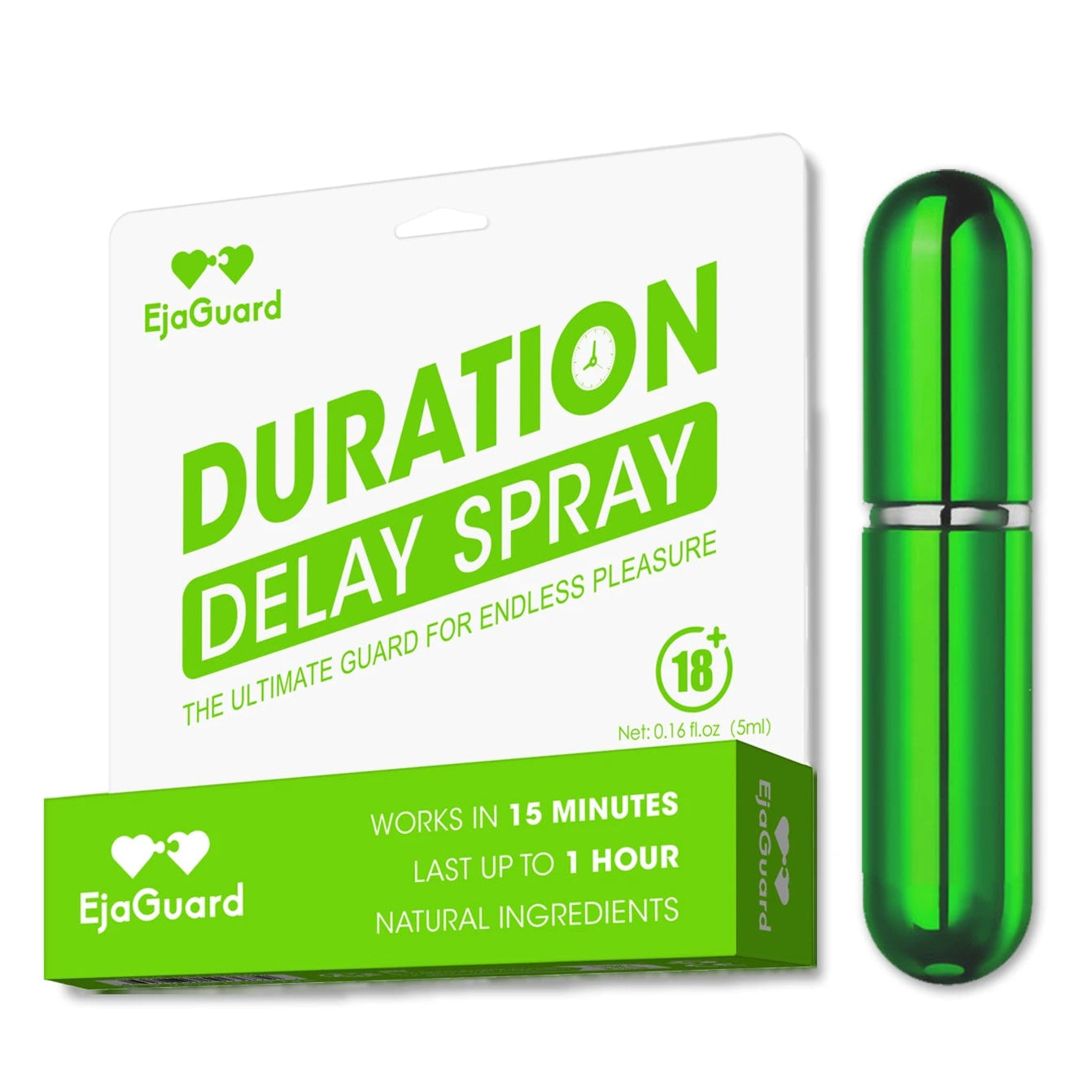
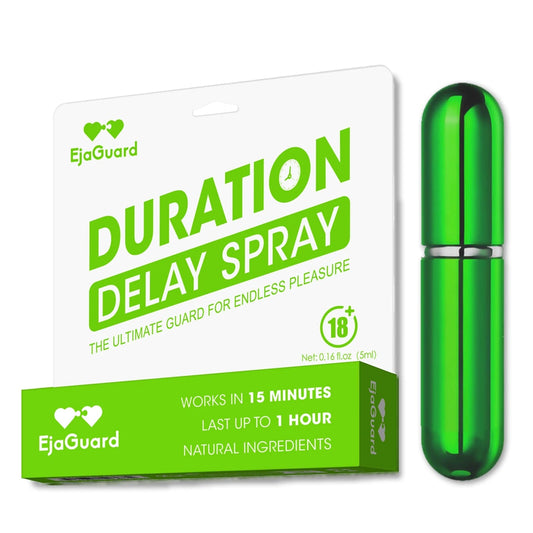
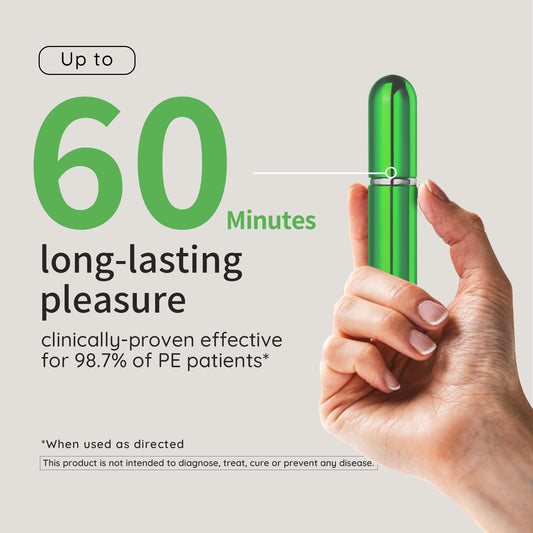
يمكن أن يؤثر فقدان الوزن إيجابًا على هرمون التستوستيرون وصحة الأوعية الدموية. تشير Mayo Clinic إلى أن تحسن صحة القلب والأوعية الدموية غالبًا ما يعزز وظيفة الانتصاب. ومع ذلك، إذا أثر التعب أو الغثيان المرتبطان بالدواء مؤقتًا على العلاقة الحميمة، فقد يستكشف الرجال الذين يسعون إلى تعزيز الثقة في الأداء حلولًا موجهة وغير جهازية مثل بخاخ تأخير إيجاغارد أو خيارات تعزيز الراحة من مواد التشحيم الآمنة للجسم من إيجاغارد.

تركز EjaGuard على الحلول الآمنة والمدعومة بالبحث مثل بخاخات التأخير ومواد التشحيم المصممة لدعم القدرة على التحمل والمتعة دون مخاطر جهازية.
الأسئلة الشائعة حول الآثار الجانبية للريتاترورايد
ما هي الآثار الجانبية الأكثر شيوعًا للريتاترورايد؟
الآثار الجانبية الأكثر شيوعًا هي الغثيان، والقيء، والإسهال، والإمساك، وآلام المعدة.
تتحسن هذه عادةً بمرور الوقت.
هل الريتاترورايد آمن للاستخدام على المدى الطويل؟
لا تزال بيانات السلامة على المدى الطويل محدودة.
التجارب السريرية جارية.
هناك حاجة إلى مزيد من البحث قبل التوصل إلى استنتاجات قاطعة.
هل يمكن أن يسبب الريتاترورايد مشاكل صحية خطيرة؟
نعم، تشمل المخاطر المحتملة التهاب البنكرياس، ومخاوف الغدة الدرقية، ومشاكل المرارة.
هذه غير شائعة ولكنها مهمة.
كيف تقارن الآثار الجانبية للريتاترورايد بالسيماغلوتايد؟
إنها متشابهة ولكن قد تكون أقوى بسبب التنشيط الثلاثي للهرمونات.
قد يأتي احتمال فقدان الوزن الأعلى مع زيادة الأعراض الهضمية.
هل يؤثر الريتاترورايد على الهرمونات؟
نعم. يتفاعل مع مسارات GLP-1 و GIP والجلوكاجون.
هذه تؤثر على الأنسولين والشهية والتمثيل الغذائي.
الخلاصة: هل الآثار الجانبية للريتاترورايد تستحق المخاطرة؟
يظهر الريتاترورايد وعدًا قويًا لفقدان الوزن.
لكن الآثار الجانبية للريتاترورايد حقيقية.
الانزعاج الهضمي شائع.
المخاطر الخطيرة ممكنة ولكنها أقل تكرارًا.
المفتاح هو اتخاذ قرارات مستنيرة.
لا يوجد دواء يحل محل العادات الصحية.
ولا توجد خطة لفقدان الوزن السريع يجب أن تتجاهل السلامة.
إذا كان هدفك هو زيادة الثقة والقدرة على التحمل والحيوية، فابدأ ببناء أساس قوي أولاً.
الصحة المستدامة تدعم الأداء الأفضل في كل مجال من مجالات الحياة.
هل تتطلع إلى تحسين العلاقة الحميمة والقدرة على التحمل بأمان؟
اكتشف حلول EjaGuard الطبيعية المصممة للتحكم والراحة والثقة.
