

 Buy Now
لماذا من المحتمل ألا يوجد "الجرعة المثالية"

أحد أكثر الأسئلة شيوعًا التي تظهر في المناقشات حول بخاخات تأخير القذف هو سؤال محدد بشكل مفاجئ.
سيسأل أحدهم:
"هل رشتان كافيتان؟"
وسيرد شخص آخر:
"أنا أستخدم 3 رشات."
وسيصر شخص ثالث على أن 4 رشات هي الكمية المثالية.
غالبًا ما تتحول المحادثة إلى بحث عن صيغة دقيقة، كما لو كان هناك إجابة صحيحة عالميًا تنطبق على الجميع.
جاذبية هذه الفكرة واضحة. معظم الناس يريدون اليقين. يريدون قاعدة بسيطة يمكنهم اتباعها في كل مرة دون الحاجة إلى التفكير فيها. إذا كان هناك رقم سحري يحقق باستمرار التوازن المثالي بين الإحساس والتحكم، فستكون الحياة أسهل بكثير.
المشكلة هي أن حساسية الإنسان ليست ثابتة.
الجسم ليس آلة تنتج مخرجات متطابقة في كل مرة يتم فيها تطبيق نفس المدخلات. حتى عند استخدام نفس المنتج بالضبط، وبنفس الكمية بالضبط، ونفس طريقة التطبيق بالضبط، لا يزال بإمكان التجربة أن تبدو مختلفة بشكل ملحوظ من مناسبة لأخرى.
يقضي العديد من المستخدمين شهورًا في البحث عن الجرعة المثالية، ليُدركوا في النهاية أن البحث نفسه قد يكون مبنيًا على افتراض خاطئ.
المشكلة ليست في أنهم فشلوا في اكتشاف العدد المثالي.
المشكلة هي أن الجرعة المثالية ربما لا وجود لها.

جاذبية الدقة
يحب الناس بطبيعتهم الإجابات الدقيقة.
نحن نحب القياسات والصيغ والأنظمة القابلة للتنبؤ لأنها تخلق شعورًا بالتحكم.
يعمل هذا التفكير بشكل جيد للغاية في العديد من جوانب الحياة.
إذا تطلبت وصفة كمية معينة من المكون، فإن استخدام تلك الكمية ينتج عمومًا نتائج متسقة.
إذا أوصى برنامج تمرين بعدد معين من التكرارات، فإن اتباع الخطة ينتج عادة تقدمًا متوقعًا.
بسبب هذا، يفترض الكثيرون أن بخاخات التأخير يجب أن تعمل بنفس الطريقة.
غالبًا ما تبدو عملية التفكير كالتالي:
رشتان عملتا بشكل جيد مرة واحدة.
لذلك، يجب أن تعمل رشتان دائمًا.
إذا شعرت رشتان أضعف في المرة القادمة، فربما هناك حاجة إلى ثلاث رشات.
إذا شعرت ثلاث رشات قوية جدًا، فربما كان التوقيت خاطئًا.
في النهاية يبدأ المستخدم في محاولة هندسة صيغة قابلة للتكرار بشكل مثالي.
للأسف، يدخل جسم الإنسان متغيرات أكثر تعقيدًا مما يتوقعه معظم الناس.

الجسم ليس نظامًا ثابتًا
أحد أكبر المفاهيم الخاطئة حول بخاخات التأخير هو التعامل مع الجسم كنظام ثابت.
يفترض العديد من المستخدمين دون وعي أن الحساسية تظل مستقرة نسبيًا من يوم لآخر.
في الواقع، تتذبذب الحساسية باستمرار.
يمكن أن تتغير الإحساسات الجسدية، واستجابة الإثارة، والحالة العاطفية، والتركيز الذهني بشكل كبير اعتمادًا على ما يحدث في حياة الشخص.
هذا يعني أن نفس الجرعة بالضبط قد تنتج نتائج مختلفة تحت ظروف مختلفة.
جرعة تبدو متوازنة تمامًا في إحدى الأمسيات قد تشعر بقوة غير عادية بعد بضعة أيام.
المنتج لم يتغير.
المستخدم هو من تغير.
هذا أحد الأسباب التي تجعل المستخدمين ذوي الخبرة غالبًا ما يتوقفون عن السؤال عما إذا كان عدد معين من الرشات صحيحًا بشكل موضوعي.
بدلاً من ذلك، يبدأون في الانتباه إلى السياق الأوسع المحيط بالتجربة.

المزاج يغير كل شيء
تلعب الحالة الذهنية دورًا أكبر بكثير مما يدركه معظم الناس.
يعتقد الكثيرون أن بخاخات التأخير هي منتجات جسدية بحتة. ولأنها تُطبق على الجلد، فمن السهل افتراض أن النتيجة تعتمد كليًا على الامتصاص الجسدي.
ومع ذلك، فإن إدراك التحفيز يتأثر بشدة بالعوامل النفسية.
يمكن للتوتر أن يغير طريقة تفسير الإحساسات.
يمكن للقلق أن يزيد الوعي بالتحفيز.
يمكن للترقب أن يضخم الإثارة.
يمكن للثقة أن تخلق شعورًا أكبر بالتحكم.
يمكن للارتباط العاطفي أن يزيد من المشاركة والإثارة.
تؤثر هذه المتغيرات على التجربة حتى قبل أن يصبح المنتج نفسه جزءًا من المعادلة.
تخيل حالتين.
في الحالة الأولى، يشعر الشخص بالاسترخاء والراحة والحضور العاطفي.
في الحالة الثانية، يشعر نفس الشخص بالتوتر والضغط والانهماك بالأداء.
قد تبدو نفس الجرعة مختلفة تمامًا على الرغم من عدم وجود تغيير في تطبيق المنتج.
يساعد هذا في تفسير تجربة شائعة يبلغ عنها العديد من المستخدمين:
"لقد نجح الأمر تمامًا في المرة الماضية، ولكن ليس هذه المرة."
غالبًا لم تكن الجرعة هي المشكلة.
تغير السياق.

النوم والتعافي يؤثران على الحساسية
النوم هو عامل آخر يحظى باهتمام أقل بكثير مما يستحق.
يدرك معظم الناس أن قلة النوم تؤثر على مستويات الطاقة والتركيز.
ما يتجاهله الكثيرون هو أنه يمكن أن يؤثر أيضًا على الحساسية، وتنظيم العواطف، وتحمل الإجهاد، وأنماط الإثارة.
بعد ليلة نوم سيئة، يبلغ بعض الأفراد عن شعورهم برد فعل أكبر تجاه التحفيز.
يبلغ آخرون عن شعورهم بالضباب العقلي والانفصال.
يمكن أن تغير كلتا التجربتين طريقة إحساس بخاخ التأخير.
نفس المنتج الذي بدا متوازنًا بعد عدة ليالٍ من النوم الجيد قد يبدو فجأة قويًا جدًا أو ضعيفًا جدًا خلال فترات الإرهاق.
حالة التعافي مهمة أيضًا.
الإرهاق البدني، والتدريب الزائد، والمرض، والإجهاد المزمن كلها يمكن أن تؤثر على كيفية استجابة الجهاز العصبي للتحفيز.
نظرًا لأن الجسم يتكيف باستمرار مع الظروف الداخلية والخارجية، فإن توقع استجابات متطابقة في كل مرة غالبًا ما يكون غير واقعي.

لماذا تختلف التجارب الزوجية؟
سبب آخر يجعل تحديد الجرعة المثالية أمرًا صعبًا هو أن السياق يتغير بشكل كبير عندما يشارك شخص آخر.
يلاحظ العديد من المستخدمين اختلافات كبيرة بين التجارب الفردية والتجارب الزوجية.
هذا أمر طبيعي تمامًا.
تُدخل المواقف الزوجية عادةً متغيرات إضافية:
الترقب.
الإثارة.
الاستثمار العاطفي.
الجدة.
الوعي بالأداء.
الترابط.
الرغبة.
كل هذه العوامل يمكن أن تؤثر على شدة الإثارة.
نتيجة لذلك، قد تبدو الجرعة المثالية في موقف ما مختلفة تمامًا في موقف آخر.
غالبًا ما يفاجئ هذا المستخدمين الجدد لأنهم يفترضون أن المنتج يجب أن يتصرف بشكل متطابق بغض النظر عن الظروف.
في الواقع، يمكن للبيئة العاطفية أن تؤثر بشكل كبير على النتيجة.

مشكلة مطاردة الكمال
البحث عن الجرعة المثالية غالبًا ما يخلق مشكلة غير متوقعة.
يصبح الناس مهووسين بالتحسين.
يبدأون في تتبع كل التفاصيل.
رشتان بالضبط.
خمس عشرة دقيقة بالضبط.
نفس الروتين بالضبط.
نفس عملية التحضير بالضبط.
للوهلة الأولى يبدو هذا منطقيًا.
ومع ذلك، فإن السعي لتحقيق الاتساق المثالي يمكن أن يزيد الإحباط أحيانًا بدلاً من تقليله.
السبب بسيط.
الهدف يتحرك باستمرار.
الحساسية البشرية ديناميكية.
حتى لو بقيت كل خطوة متطابقة، فإن الظروف الداخلية التي تؤثر على التجربة قد لا تكون كذلك.
هذا يعني أن التباين العرضي أمر طبيعي.
غالبًا ما يصبح محاولة القضاء على كل التباين مهمة مستحيلة.

لماذا يفكر المستخدمون المتمرسون بشكل مختلف
يظهر نمط مثير للاهتمام بين المستخدمين على المدى الطويل.
يتوقف الكثيرون في النهاية عن البحث عن رقم مثالي.
بدلاً من ذلك، يركزون على فهم النطاقات.
بدلاً من السؤال:
"ما هي الجرعة المثالية؟"
يبدأون في السؤال:
"ما هو النطاق الذي يعمل بشكل أفضل بالنسبة لي؟"
هذا تحول دقيق ولكنه مهم.
النطاق يعترف بالتقلب.
إنه يدرك أن بعض الأيام قد تتطلب أقل قليلاً.
أيام أخرى قد تتطلب أكثر قليلاً.
يصبح الهدف المرونة بدلاً من الدقة.
من المفارقات أن هذا التفكير غالبًا ما ينتج عنه نتائج أكثر اتساقًا لأنه يتماشى بشكل أوثق مع كيفية عمل الجسم بالفعل.
مفهوم الجرعات الديناميكية
طريقة مفيدة للتفكير في بخاخات التأخير هي من خلال مفهوم الجرعات الديناميكية.
تُقر الجرعات الديناميكية بأن الظروف تتغير.
بدلاً من التعامل مع كل موقف بشكل متطابق، يقوم المستخدم بالتعديل وفقًا للظروف الحالية.
العوامل التي قد تؤثر على قرارات الجرعات تشمل:
الحساسية الحالية.
مستويات التوتر.
جودة النوم.
الإرهاق البدني.
ديناميكيات الشريك.
مستوى الترقب.
المزاج.
الراحة العامة.
لا يعني هذا النهج تغيير الجرعة عشوائياً في كل مرة.
إنه يعني ببساطة إدراك أن الجسم ليس ساكنًا.
تمامًا كما يعدل الرياضيون شدة التدريب بناءً على حالة التعافي، قد يعدل المستخدمون أحيانًا استخدام المنتج بناءً على الظروف المتغيرة.

لماذا البدء باعتدال غالبًا ما يكون منطقيًا
هذا أحد الأسباب التي تجعل العديد من المستخدمين ذوي الخبرة يوصون بالبدء بحذر.
يفترض المبتدئون غالبًا أن الأقوى أفضل.
يقلقون من أن استخدام كمية قليلة جدًا من المنتج سيؤدي إلى نتائج مخيبة للآمال.
نتيجة لذلك، غالبًا ما يطبقون أكثر مما هو ضروري.
الجانب السلبي هو أن التطبيق المفرط يمكن أن يخلق مشاكل جديدة.
الكثير من التخدير.
متعة أقل.
فقدان الإحساس الطبيعي.
صعوبة إيجاد التوازن.
بمجرد حدوث إزالة حساسية مفرطة، لا يتبقى سوى القليل من المرونة.
على النقيض من ذلك، فإن البدء بنهج أخف يتيح مجالًا للتعديل.
يجد العديد من المستخدمين أنه من الأسهل زيادة الجرعة تدريجيًا بدلاً من التعافي من تطبيق الكثير.
لهذا السبب أيضًا يوصى أحيانًا بالتركيبات الأخف للمستخدمين الجدد.
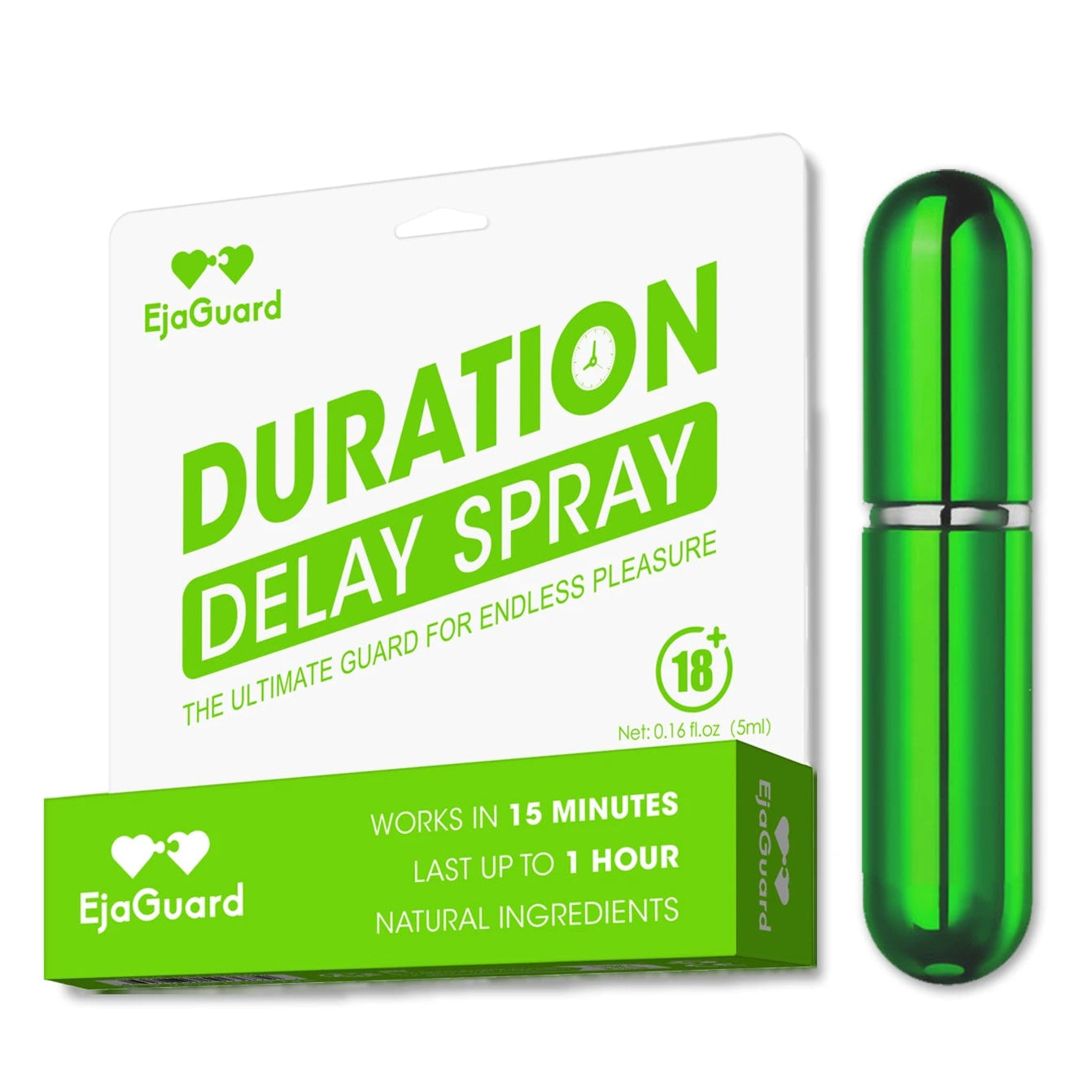
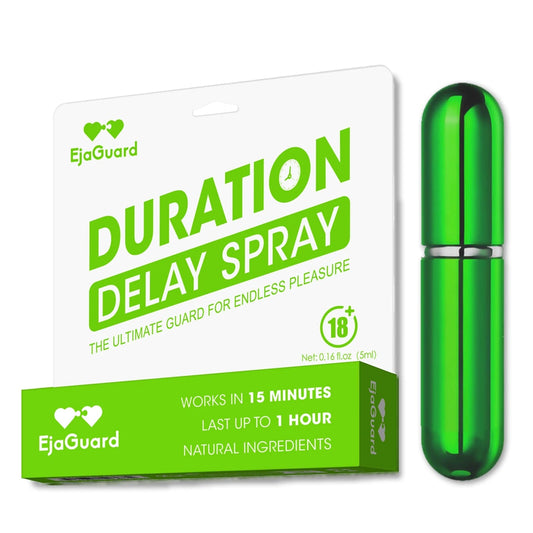
تُناقش منتجات مثل EjaGuard غالبًا في هذا السياق لأن التأثيرات التدريجية قد تجعل التجريب أقل إرباكًا.
الهدف ليس أقصى تقليل للإحساس.
الهدف هو تعلم أين يوجد التوازن.

النقطة المثالية عادة ما تكون نطاقًا
أحد الأخطاء الشائعة هو تخيل النقطة المثالية كنقطة واحدة.
يتصور الناس غالبًا جرعة مثالية واحدة تحل كل شيء.
في الواقع، النقطة المثالية عادة ما تكون نطاقًا وليست رقمًا دقيقًا.
في بعض الأيام قد يبدو الطرف الأدنى من هذا النطاق مثاليًا.
في أيام أخرى قد يعمل الطرف الأعلى بشكل أفضل.
كلتا النتيجتين يمكن أن تكونا صحيحتين.
يساعد فهم هذا في تقليل الإحباط لأنه يزيل التوقع بأن كل تجربة يجب أن تكون متطابقة.
الاتساق لا يتطلب الكمال.
الاتساق يعني ببساطة البقاء ضمن نطاق ينتج عمومًا نتائج مرغوبة.
تعلم أنماطك الخاصة
أحد أهم الأمور التي يمكن للمستخدمين القيام بها هو ملاحظة الأنماط بمرور الوقت.
بدلاً من الهوس بإيجاد رقم سحري فورًا، غالبًا ما يكون من المفيد أكثر ملاحظة كيف تؤثر المتغيرات المختلفة على التجربة.
الأسئلة التي تستحق الانتباه تشمل:
كيف يؤثر النوم على الحساسية؟
كيف يؤثر التوتر على التحكم؟
كيف يؤثر الترقب على الإثارة؟
كيف تقارن الأنشطة مع الشريك بالتجارب الفردية؟
كيف يؤثر الإرهاق الجسدي على الإدراك؟
بمرور الوقت، تخلق هذه الملاحظات إطار عمل أكثر فائدة بكثير من أي توصية عالمية للجرعات.
يبدأ المستخدم في فهم ليس فقط المنتج، بل جسده هو أيضًا.
لماذا لن يكون هناك إجابة عالمية أبدًا
السبب في استمرار مناقشات الجرعات المثالية إلى ما لا نهاية هو أن الناس يبحثون عن اليقين في نظام يحتوي بطبيعته على التباين.
المستخدمون المختلفون لديهم مستويات حساسية مختلفة.
الأجسام المختلفة تمتص المنتجات بشكل مختلف.
المواقف المختلفة تخلق استجابات إثارة مختلفة.
الأهداف المختلفة تتطلب توازنات مختلفة بين الإحساس والتحكم.
بسبب هذا، من غير المرجح أن تكون هناك توصية واحدة للجرعة تعمل بشكل مثالي للجميع.
التباين ليس عيبًا.
إنه ببساطة جزء من كيفية عمل فسيولوجيا الإنسان.
أفكار أخيرة
فكرة الجرعات المثالية جذابة لأنها تعد باليقين.
إنها تشير إلى أنه يوجد في مكان ما عدد دقيق من الرشات قادر على إنتاج التجربة المثالية في كل مرة.
بالنسبة لمعظم الناس، الواقع أكثر تعقيدًا.
تتغير الحساسية.
يتغير المزاج.
يتغير التوتر.
يتغير النوم.
تتغير العلاقات.
تتغير الظروف.
ومع تحول هذه المتغيرات، قد تتحول الجرعة المثالية أيضًا.
لهذا السبب، يتوقف العديد من المستخدمين ذوي الخبرة في النهاية عن البحث عن رقم سحري ويبدأون في التركيز على القدرة على التكيف بدلاً من ذلك.
بدلاً من السؤال: "ما هي الجرعة المثالية؟"
يسألون: "ما الذي يناسبني اليوم؟"
هذا التغيير الطفيف في المنظور يؤدي غالبًا إلى علاقة أكثر صحة بالتجريب، واتساق أفضل على المدى الطويل، وإحباط أقل بكثير.
لأن الهدف ليس الجرعات المثالية.
الهدف هو فهم جسدك جيدًا بما يكفي للتكيف عند الحاجة.
وعلى المدى الطويل، عادة ما تكون هذه المهارة أكثر قيمة بكثير من أي رقم واحد.

