

 Buy Now
Can a History of Sexual Trauma Affect Premature Ejaculation? Understanding Trauma, Anxiety, and Sexual Response

Sexual health is influenced by more than physical sensitivity or hormone levels. Emotional experiences, personal history, relationship dynamics, and the way someone responds to stress can all shape sexual function. For some men, difficulties with ejaculation may be connected to experiences that happened long before their current relationship.
This raises an important but often overlooked question: Can a history of sexual trauma affect premature ejaculation (PE)?
The relationship between trauma and sexual function is complex. Research suggests that people who have experienced sexual abuse or other traumatic events may face a higher risk of certain sexual difficulties. These can include changes in sexual desire, erectile function, intimacy, and ejaculation. However, this does not mean that every survivor will develop PE, or that trauma is necessarily the cause when PE occurs.
Understanding this subject requires looking beyond a simple cause-and-effect explanation. Trauma can influence how the nervous system responds to perceived danger, how comfortable someone feels during intimacy, and how they experience physical and emotional arousal. For some individuals, these changes may contribute to difficulties with ejaculation control. For others, the effects may look very different.
This article explores the possible connection between sexual trauma and premature ejaculation, explains how stress and emotional responses may affect sexual function, and discusses treatment approaches that respect each person's individual experience.

Table of Contents
-
What Is Sexual Trauma?
-
Understanding Premature Ejaculation
-
What Does Research Say About Trauma and PE?
-
How Trauma Can Affect the Nervous System
-
Can Hyperarousal Influence Ejaculation Control?
-
The Role of Anxiety, Shame, and Performance Pressure
-
Why Trauma Does Not Affect Everyone in the Same Way
-
How to Recognize When Past Experiences May Be Relevant
-
Treatment Approaches That May Help
-
Can Delay Sprays Help With Trauma-Related PE?
-
How Partners Can Support Recovery
-
When to Seek Professional Support
-
A More Compassionate Approach to Sexual Health
1. What Is Sexual Trauma?
Sexual trauma refers to the psychological and emotional impact of unwanted, coercive, or non-consensual sexual experiences. These experiences may occur during childhood, adolescence, or adulthood. They can involve sexual assault, abuse, coercion, exploitation, or situations in which a person's boundaries and consent were not respected.
Not every traumatic experience produces the same response. Some people experience immediate distress, while others notice changes months or years later. Some survivors recover without developing persistent psychological symptoms, while others may experience anxiety, intrusive memories, avoidance, difficulty trusting others, or symptoms associated with post-traumatic stress disorder (PTSD).
It is also important to recognize that sexual trauma is not limited to women. Men and boys can experience sexual violence, but male survivors may be less likely to discuss it because of social expectations about masculinity, misconceptions about male sexuality, or fear of not being believed. The CDC's overview of sexual violence and intimate partner violence among men provides additional information about this often underrecognized issue.
A person's response to trauma should never be judged by the type of experience alone. Two people who go through similar events may have very different emotional and physical reactions. Some may feel comfortable with intimacy later in life, while others may experience discomfort, avoidance, heightened sensitivity, or difficulties with sexual function.
For this reason, trauma should be understood as an individual experience rather than a fixed diagnosis or a predictable cause of a particular sexual problem.

2. Understanding Premature Ejaculation
Premature ejaculation is a common male sexual concern, but it is often misunderstood as simply ejaculating too quickly.
In clinical practice, PE involves more than a short ejaculation time. Healthcare professionals generally consider three important elements: how quickly ejaculation occurs, whether the person feels able to delay it, and whether the experience causes distress or other negative consequences.
There are different patterns of PE. Lifelong PE is generally present from the beginning of a person's sexual experiences, while acquired PE develops after a period in which ejaculation control was previously satisfactory. Some men experience difficulties only in particular situations, while others notice the problem across most sexual encounters.
The International Society for Sexual Medicine's guidance on premature ejaculation discusses the different classifications of PE and the possible involvement of psychological, biological, and interpersonal factors.
This distinction matters when considering trauma. A man may have experienced a traumatic event but never develop ejaculation difficulties. Another person may experience PE years after the event, while someone else may notice other changes, such as reduced desire, erectile difficulties, or avoidance of intimacy.
It is also possible for PE to occur independently of trauma. Physical sensitivity, medical conditions, relationship stress, anxiety, and other factors can contribute to ejaculation difficulties. A previous traumatic experience should therefore be considered only when it is relevant to the individual's history and symptoms.
For a broader explanation of the condition, readers can also explore EjaGuard's article on how premature ejaculation is diagnosed and why it involves more than a stopwatch.

3. What Does Research Say About Trauma and PE?
Research has identified associations between traumatic experiences, PTSD symptoms, and sexual difficulties. However, the strength of the evidence varies depending on the type of trauma, the population studied, and the sexual health outcome being measured.
The 2024 Fifth International Consultation on Sexual Medicine reviewed the relationship between psychiatric conditions and sexual dysfunction. Its discussion of sexual trauma and male sexual health noted that sexually abused men have demonstrated higher rates of certain sexual difficulties, including erectile dysfunction, premature ejaculation, and low sexual desire.
The review also discussed how intrusive memories, avoidance, emotional distress, and heightened physiological arousal may affect sexual experiences. You can read the published review in Sexual Medicine Reviews.
Another important source is a systematic review examining PTSD and sexual difficulties among veterans and military personnel. It included 43 studies and found that PTSD was associated with an increased risk of experiencing at least one sexual difficulty. However, findings were mixed for several specific outcomes, including premature ejaculation.
The authors also highlighted limitations in the available research, such as inconsistent definitions of sexual dysfunction, differences in trauma histories, and difficulties separating PTSD from other psychological conditions. The review is available through PubMed.
These findings suggest that trauma and sexual health can be connected, but they do not establish a direct causal relationship between sexual trauma and PE in every individual.
There are several reasons for this uncertainty. Many studies rely on participants reporting their own experiences, and some examine broad categories of sexual dysfunction rather than ejaculation timing specifically. Others focus on particular populations, such as military veterans, whose experiences may not represent all men.
The most reasonable conclusion is that trauma may be one contributing factor in some cases of PE, particularly when it is associated with ongoing psychological distress. It should not be treated as a universal explanation.

4. How Trauma Can Affect the Nervous System
To understand why trauma may influence sexual function, it helps to look at how the nervous system responds to perceived danger.
The human stress response is designed to help people react to threatening situations. When the brain detects a potential threat, it can activate physiological changes such as increased heart rate, muscle tension, faster breathing, and heightened alertness.
These responses are useful in genuinely dangerous situations. However, after a traumatic experience, some people may remain unusually sensitive to reminders of danger. A sound, physical sensation, emotional situation, or interpersonal interaction may trigger a stress response even when there is no immediate threat.
This is sometimes described as hyperarousal. It can involve feeling constantly alert, easily startled, tense, or unable to relax. Not every trauma survivor experiences this pattern, but it is one of the symptoms associated with PTSD.
The U.S. Department of Veterans Affairs National Center for PTSD provides an overview of PTSD symptoms, including changes in arousal and reactivity.
Sexual activity involves its own combination of physical and psychological responses. Comfort, trust, emotional safety, and physical stimulation all contribute to the experience. If a person enters an intimate situation already feeling tense or unsafe, it may be more difficult to relax and respond comfortably.
This does not mean that the body's stress response automatically causes ejaculation. Sexual response is regulated by multiple interacting systems, and the relationship between stress and ejaculation timing is not simple. However, persistent tension and emotional distress may influence how someone experiences arousal and sexual control.
A useful distinction is that the nervous system's response to a past threat can continue to affect present experiences even when the person consciously understands that they are now in a different and safer situation.

5. Can Hyperarousal Influence Ejaculation Control?
One possible connection between trauma and PE involves hyperarousal.
During sexual activity, physical stimulation and emotional excitement naturally increase arousal. For some men, this increase happens gradually and feels manageable. For others, arousal may rise quickly, making it difficult to recognize when they are approaching the point of ejaculation.
A person who experiences persistent stress or heightened alertness may also find it difficult to remain relaxed during intimacy. Increased muscle tension, rapid breathing, and difficulty focusing on pleasurable sensations can affect the overall experience.
In some cases, this may contribute to a feeling that sexual activity is moving too quickly or becoming difficult to control.
However, it is important not to confuse emotional hyperarousal with sexual arousal. They are related but not identical processes. A person can feel emotionally tense without being sexually excited, and someone can experience strong sexual arousal without feeling anxious or threatened.
The VA National Center for PTSD's discussion of PTSD and relationships explains that PTSD can affect intimacy and sexual functioning through several possible pathways, including emotional avoidance, difficulty trusting others, and changes in physiological and psychological responses.
For some individuals, the challenge may be less about physical sensitivity and more about feeling safe and comfortable enough to remain present during intimacy.
If a person notices that ejaculation difficulties occur mainly when they feel anxious, pressured, or emotionally uncomfortable, it may be worth exploring these patterns with a qualified healthcare professional.
EjaGuard's educational article on why delay spray results can feel inconsistent also discusses how emotional state and situational factors can influence the overall experience of sexual activity. A topical product may affect physical sensation, but it cannot address every factor involved in sexual response.

6. The Role of Anxiety, Shame, and Performance Pressure
Trauma can affect how a person thinks and feels about intimacy. Some survivors may experience shame, guilt, fear, or difficulty trusting a partner. Others may worry about losing control, disappointing someone, or being unable to respond in a way they expect.
These feelings can become particularly difficult when PE is also present.
For example, a man may experience early ejaculation during an encounter and feel embarrassed afterward. Before the next encounter, he may begin worrying about the same outcome. He might focus on how long he is lasting, monitor his partner's reactions, or become increasingly concerned about whether he will lose control.
This creates a possible cycle:
-
A previous sexual experience leads to distress or embarrassment.
-
The person begins anticipating the same problem during future encounters.
-
Anxiety and self-monitoring increase during intimacy.
-
The experience becomes less comfortable and may feel harder to manage.
-
Another unsatisfactory encounter reinforces the original concern.
This pattern is not exclusive to trauma survivors. Performance anxiety can affect men for many reasons. However, when a person has a history of trauma, existing concerns about trust, control, or vulnerability may make the cycle more difficult to break.
The relationship between anxiety and PE can also work in the opposite direction. Repeated ejaculation difficulties may create new anxiety, even if anxiety was not the original reason for the problem.
The AUA/SMSNA guideline on disorders of ejaculation recommends considering psychological health, relationship factors, and sexual history when evaluating PE. This reflects the importance of looking at the full experience rather than focusing only on ejaculation time.
Reducing performance pressure may therefore be an important part of improving sexual well-being. The goal is not to force someone to ignore their emotions, but to create conditions in which intimacy feels more comfortable and less like a test.
7. Why Trauma Does Not Affect Everyone in the Same Way
One of the most important points in this discussion is that there is no single response to trauma.
Some survivors may experience significant distress in intimate situations. Others may maintain satisfying relationships and sexual lives without noticeable long-term difficulties. Some may experience changes in desire or comfort rather than ejaculation control.
There are several reasons why outcomes differ.
The nature and timing of the experience: Experiences during childhood, adolescence, or adulthood may have different implications depending on the individual's circumstances, support system, and stage of development.
Personal and emotional resources: Access to supportive relationships, mental healthcare, and a safe environment can influence how someone processes difficult experiences.
Other health conditions: Depression, anxiety, chronic pain, sleep problems, and other conditions may affect sexual function independently or alongside trauma-related symptoms.
Relationship circumstances: A trusting and respectful relationship may provide a sense of security, while conflict, pressure, or poor communication may make intimacy more difficult.
Individual differences: People vary in their emotional responses, stress sensitivity, coping strategies, and sexual experiences.
The VA National Center for PTSD's information about sexual assault experienced by adults emphasizes that there is no single typical response to sexual assault. Some people experience severe distress, while others recover without developing long-term difficulties.
This is why it is important not to assume that a person's sexual difficulties must be connected to a past experience. A history of trauma may be relevant, but it is only one part of a much broader picture.
It is equally important not to dismiss the possibility simply because the experience happened a long time ago. If someone notices a connection between past experiences and present sexual distress, that connection deserves to be taken seriously.

8. How to Recognize When Past Experiences May Be Relevant
It can be difficult to understand whether a past experience is influencing current sexual function. Some people recognize the connection immediately, while others may not see it until they notice recurring patterns.
A useful starting point is to consider whether sexual difficulties appear alongside particular emotional or situational responses.
For example:
-
Do you feel unusually tense or alert during intimacy?
-
Do certain situations, sensations, or types of physical contact create discomfort?
-
Do you find it difficult to relax or remain emotionally present?
-
Do you experience intrusive memories or unwanted thoughts during sexual activity?
-
Does your sexual confidence change depending on how safe or comfortable you feel with a partner?
-
Did your ejaculation difficulties begin after a significant life event or period of emotional distress?
These questions are not a diagnostic test. A person does not need to answer yes to any of them to have a valid sexual health concern, and answering yes does not establish that trauma is the cause.
It may also help to distinguish between lifelong and acquired PE. If ejaculation control was previously satisfactory but changed after a particular period, it may be useful to review what else changed around that time.
This could include relationship circumstances, stress, medication, physical health, or emotional well-being. A clinician can help determine which factors deserve further assessment.
For men who find it difficult to discuss personal experiences, it is worth remembering that a healthcare appointment does not require sharing every detail of a traumatic event. You can begin by explaining how you feel now and what symptoms are affecting your life.
The National Center for PTSD's resources for sexual assault survivors offer additional information about the possible effects of sexual trauma and available support.
9. Treatment Approaches That May Help
There is no single treatment that works for every person experiencing both PE and trauma-related distress. The most appropriate approach depends on the individual's symptoms, medical history, preferences, and whether trauma-related symptoms are currently affecting daily life.
In many cases, it is useful to address sexual difficulties and emotional well-being as related but distinct concerns.
Trauma-informed psychotherapy
A therapist with experience in trauma can help someone explore how past experiences may influence current emotions, relationships, and sexual responses.
Trauma-focused approaches may be appropriate for people with PTSD or persistent trauma-related symptoms. Depending on the individual's needs, treatment may involve cognitive processing therapy, prolonged exposure therapy, or eye movement desensitization and reprocessing (EMDR).
These treatments are not intended to make someone forget what happened. Rather, they aim to help the person process traumatic memories and reduce the extent to which those memories interfere with present life.
The VA's overview of PTSD treatments explains several evidence-based approaches and how they may be used in clinical care.
Sex therapy and counseling
Sex therapy may help people address sexual concerns that involve anxiety, avoidance, communication, or difficulty feeling comfortable during intimacy.
A qualified therapist can help someone identify patterns without placing pressure on them to engage in sexual activity before they feel ready.
For example, a person may gradually work on communicating boundaries, recognizing physical discomfort, and becoming more comfortable with non-demand intimacy. The process should move at a pace that feels safe and appropriate.
Behavioral approaches for PE
Some behavioral techniques may help improve ejaculation awareness and perceived control. These include stop-start training, adjusting stimulation, and practicing relaxation during sexual activity.
The stop-start technique involves reducing or temporarily stopping stimulation when arousal becomes difficult to manage, then resuming when the urge to ejaculate has eased.
However, these techniques should not become another source of pressure. Someone with trauma-related distress may find that focusing too intensely on bodily sensations makes intimacy more uncomfortable. A therapist can help adapt behavioral exercises to the individual's needs.
Medical evaluation and treatment
A healthcare professional may also assess physical contributors to PE, including erectile difficulties, medication effects, hormonal concerns, or other medical conditions.
Depending on the diagnosis, treatment may involve behavioral therapy, medication, topical anesthetics, or a combination of approaches.
The important point is that treating PE does not require someone to ignore their emotional history. Likewise, addressing trauma does not mean that every physical or sexual symptom will automatically disappear.
A balanced treatment plan considers both when they are relevant.

10. Can Delay Sprays Help With Trauma-Related PE?
Delay sprays are topical products designed to reduce penile sensitivity and help some men manage ejaculation timing. Depending on the formulation, they may contain local anesthetic ingredients or other ingredients intended to influence sensation.
For men whose PE is partly related to physical sensitivity, a suitable delay spray may be one option worth considering. Some people prefer a milder product because they want to reduce excessive stimulation without losing too much sensation.
However, it is important to understand the limits of these products.
A delay spray does not treat PTSD, process traumatic memories, or resolve anxiety related to intimacy. It cannot create emotional safety or replace professional support. If the main difficulty involves fear, intrusive memories, discomfort, or relationship-related distress, reducing physical sensitivity alone may not address the underlying concern.
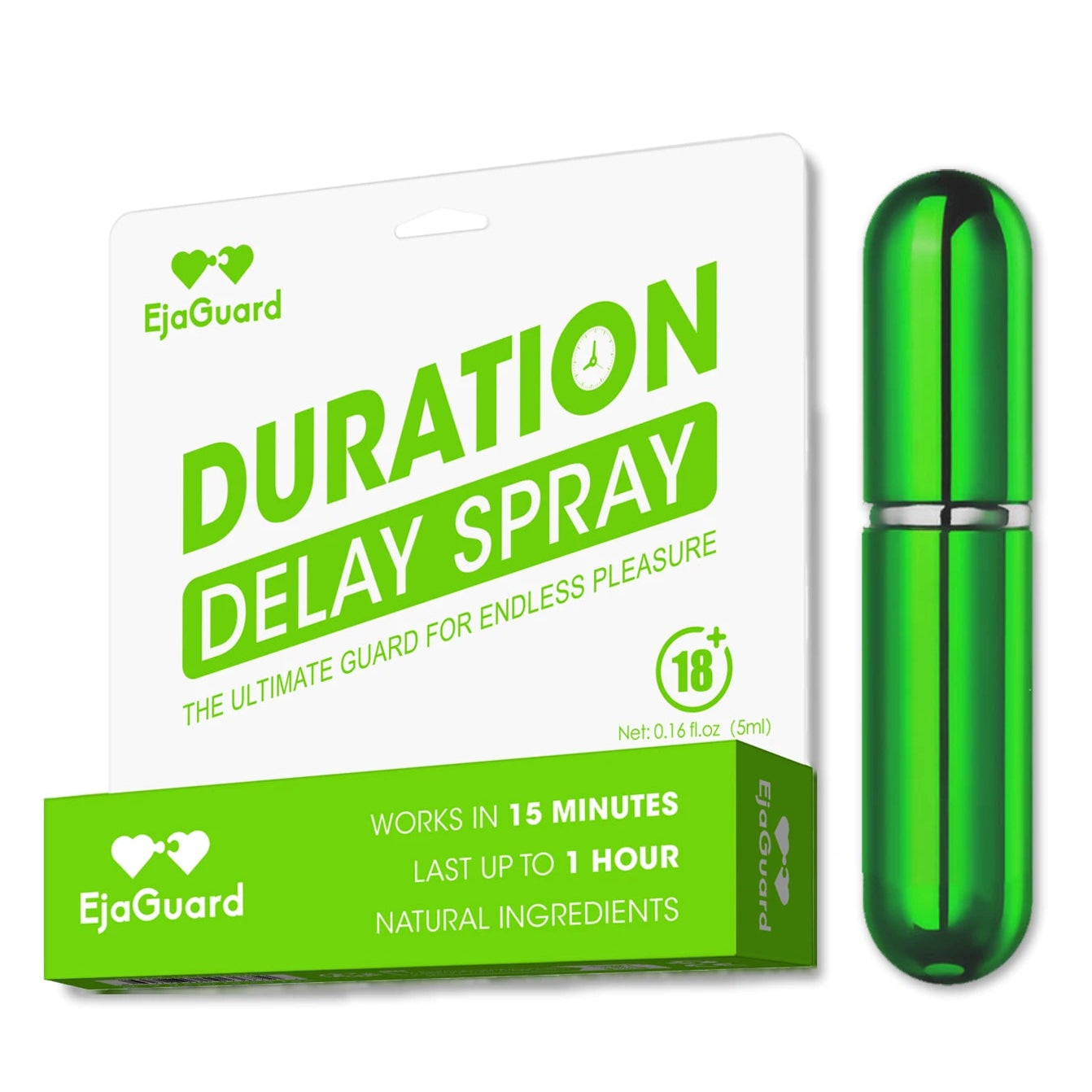
EjaGuard is one option in the delay-spray category for readers who want to learn more about topical products and their intended use. Its product information page provides details about the product. Anyone considering it should review the current ingredients, directions, and warnings before use.
A few practical points are worth keeping in mind:
-
Follow the manufacturer's instructions rather than increasing the amount in an attempt to achieve a stronger effect.
-
Check whether the ingredients are suitable for your skin and personal circumstances.
-
Avoid applying topical products to irritated or broken skin.
-
Follow instructions regarding washing, waiting time, and possible transfer to a partner.
-
Stop using the product if you experience irritation or an unexpected reaction.
Readers can find additional information in EjaGuard's guide to using delay spray.
For someone with trauma-related sexual distress, the decision to use any topical product should also consider comfort and personal choice. There should be no pressure to use a product simply because it is marketed as a way to improve sexual performance.
A topical product may be one small part of a broader approach, but it should never be presented as a complete solution to a complex emotional or psychological concern.

11. How Partners Can Support Recovery
A supportive partner can make a meaningful difference in how comfortable someone feels during intimacy. However, support should not involve trying to act as a therapist or pushing the other person to discuss experiences before they are ready.
One of the most helpful things a partner can do is respect boundaries. This includes accepting when someone wants to slow down, pause, change an activity, or stop altogether.
Communication can also help reduce uncertainty. A person may find it easier to discuss what feels comfortable, what creates tension, and what kind of reassurance is helpful when there is no expectation that every conversation must lead to sex.
Partners should also avoid making ejaculation time the central measure of sexual satisfaction. Comments that compare performance, express disappointment, or create pressure to last longer can unintentionally reinforce anxiety.
Instead, it may help to focus on mutual comfort, affection, and shared enjoyment. Intimacy can include many forms of closeness that do not depend on penetration or a particular sexual outcome.
The VA's information on PTSD and family relationships discusses how PTSD can affect communication, relationship satisfaction, and sexual functioning. It also highlights the importance of considering the experiences of both partners.
It is equally important to recognize that partners have their own feelings and boundaries. A healthy relationship allows both people to communicate openly without assigning blame or responsibility for another person's recovery.
If the issue is affecting the relationship, couples counseling or sex therapy may provide a structured and supportive environment for discussing it.
12. When to Seek Professional Support
It may be helpful to speak with a healthcare professional if ejaculation difficulties are persistent, cause significant distress, or interfere with relationships and quality of life.
Professional support is also worth considering if intimacy triggers intense anxiety, unwanted memories, avoidance, or other symptoms that affect daily functioning.
A good starting point may be a primary care physician, urologist, mental health professional, or sexual health specialist. Depending on the symptoms, more than one type of professional may be involved.
During an appointment, you can explain the current difficulty without sharing details you are not comfortable discussing. Useful information may include:
-
When the ejaculation difficulty began.
-
Whether it has been present throughout your sexual life or appeared later.
-
Whether it happens in every situation or only certain circumstances.
-
Whether it is accompanied by anxiety, discomfort, pain, or erection problems.
-
Whether medication, health conditions, or major life changes may be relevant.
A trauma-informed clinician should respect your boundaries, explain the purpose of questions or examinations, and obtain consent before proceeding.
If a healthcare professional's approach makes you feel uncomfortable or pressured, you can ask questions, request a pause, or seek another provider.
For people experiencing PTSD symptoms, evidence-based treatment is available. The VA/Department of Defense clinical practice guideline for PTSD provides professional guidance on assessment and treatment, while the VA's patient resources explain available support options.
Seeking help does not mean that a person is weak or that their sexual health is permanently damaged. It means that they are taking a concern seriously and exploring ways to improve their well-being.

13. A More Compassionate Approach to Sexual Health
A history of sexual trauma may be associated with premature ejaculation and other sexual difficulties, but the relationship is not straightforward. Research suggests that trauma-related distress, PTSD symptoms, heightened arousal, anxiety, and changes in intimacy can influence sexual functioning. However, not every survivor experiences these effects, and PE can develop for many reasons unrelated to trauma.
The most important step is to avoid reducing a person's sexual health to one explanation. Physical sensitivity, emotional responses, relationship circumstances, and medical factors may all contribute in different ways.
For some men, improving ejaculation control may involve behavioral techniques or medical treatment. For others, feeling emotionally safe and addressing trauma-related symptoms may be an important part of the process. Some may benefit from a combination of approaches.
Delay sprays such as EjaGuard may be considered as one option for managing physical sensitivity when appropriate, but they do not treat the psychological effects of trauma. They should be used as part of an informed and realistic approach rather than as a replacement for professional care.
Most importantly, a person's past experiences do not define their ability to have a healthy and satisfying intimate life. Recovery and improvement can take time, and progress does not always follow a straight line.
Sexual health should not be measured only by how long someone lasts. Comfort, trust, control, communication, and personal well-being matter just as much. A compassionate approach begins by understanding the individual, respecting their boundaries, and finding the support that fits their needs.

