

 Buy Now
Can Depression Affect Premature Ejaculation? Understanding Mood, Emotional Health, and Ejaculation Control

Introduction
Premature ejaculation (PE) is often discussed in terms of physical sensitivity, sexual habits, arousal, or the ability to control ejaculation. However, sexual function is closely connected to emotional well-being, and mental health can influence how a person experiences intimacy, arousal, pleasure, and sexual satisfaction.
Depression is commonly associated with changes in mood, motivation, energy, concentration, sleep, and interest in everyday activities. For some men, these changes may also affect their sexual lives. This raises an important question: Can depression contribute to premature ejaculation, or can experiencing PE itself contribute to depressive symptoms?
Research suggests that depression and premature ejaculation are associated, but the relationship is complicated. Depression may affect sexual function through emotional, neurological, behavioral, and relationship-related pathways. At the same time, persistent sexual difficulties can create frustration, embarrassment, reduced confidence, and emotional distress that may affect mental health.
Understanding both sides of this relationship can help men approach PE more realistically without assuming that every sexual difficulty is caused by depression.

Table of Contents
-
What Is Premature Ejaculation?
-
What Is Depression and How Can It Affect Daily Life?
-
What Does Research Say About Depression and PE?
-
Can Depression Directly Affect Ejaculation Control?
-
How Emotional Changes May Influence Sexual Arousal
-
Can Premature Ejaculation Contribute to Depression?
-
The Relationship Between Sexual Confidence and Mood
-
Can Antidepressants Affect Ejaculation?
-
Depression, Erectile Function, and Other Sexual Symptoms
-
How to Recognize When Mental Health May Be Involved
-
Practical Ways to Support Mental and Sexual Health
-
Where Do Delay Sprays Fit Into PE Management?
-
When Should You Seek Professional Help?
-
A More Balanced Approach to Sexual Health
1. What Is Premature Ejaculation?
Premature ejaculation is a sexual concern involving ejaculation that occurs sooner than desired, difficulty delaying ejaculation, and distress or frustration related to the experience. Although ejaculation time is often used to describe PE, timing alone does not explain the entire condition.
Some men experience lifelong PE, meaning the difficulty has been present since their earliest sexual experiences. Others develop acquired PE after a period in which ejaculation control was previously satisfactory. There are also men who experience occasional early ejaculation without having a persistent sexual disorder.
The distinction is important because different patterns may have different contributing factors. Lifelong PE may involve biological and neurological factors, while acquired PE may sometimes occur alongside changes in health, emotional well-being, erectile function, relationships, or medication use.
For a more complete understanding, the EjaGuard guide to premature ejaculation explains the common patterns of PE, possible contributing factors, and available approaches to management.
PE can also affect more than the physical experience of sex. Some men begin worrying about ejaculation before intimacy even starts. They may feel nervous about disappointing a partner, become overly focused on how long they will last, or avoid sexual situations altogether.
These experiences can create additional emotional pressure. When sexual difficulties repeatedly cause distress, it becomes reasonable to consider both physical and psychological factors rather than focusing exclusively on ejaculation time.

2. What Is Depression and How Can It Affect Daily Life?
Depression is more than occasionally feeling sad or having a bad day. It can involve persistent low mood, reduced interest or pleasure, changes in appetite or sleep, fatigue, difficulty concentrating, feelings of worthlessness, and other symptoms that interfere with daily functioning.
Not everyone experiences depression in exactly the same way. Some people may feel emotionally numb rather than sad. Others may notice irritability, reduced motivation, difficulty enjoying hobbies, or a general sense that everyday activities require more effort.
The National Institute of Mental Health provides an overview of depression symptoms, diagnosis, and treatment. Depression is a recognized mental health condition, and it is not simply a matter of being weak, unmotivated, or unable to think positively.
Emotional health can influence sexual health because sexual activity involves attention, motivation, emotional responses, physical arousal, and the ability to experience pleasure. When some of these processes change, a person's sexual experience may change as well.
However, depression does not affect every man in the same way. Some may notice reduced sexual desire, difficulty becoming aroused, or erectile problems. Others may continue to have a normal libido but experience changes in ejaculation control or sexual satisfaction. Some may notice no significant sexual changes at all.

3. What Does Research Say About Depression and PE?
Research has identified an association between depression and premature ejaculation. A 2016 systematic review and meta-analysis published in Medicine examined eight observational studies involving more than 18,000 participants.
The analysis found that depression was associated with higher odds of PE. The pooled odds ratio was 1.63, suggesting an association between the two conditions. However, the researchers also noted limitations, including differences in study methods and the lack of sufficient information about depression severity and PE severity.
You can read the study directly through PubMed's research record.
An association does not prove that depression directly causes premature ejaculation. Observational research cannot always determine which condition came first, whether both are influenced by other factors, or whether the relationship works in both directions.
For example, depression may influence sexual function. But men experiencing persistent PE may also develop emotional distress, frustration, or symptoms of depression. Relationship problems, medical conditions, anxiety, and medication effects could also influence both outcomes.
This is why a simple statement such as "depression causes PE" would be too strong. The evidence supports considering mental health as one potential part of the picture, not treating it as the universal explanation.

4. Can Depression Directly Affect Ejaculation Control?
Ejaculation is regulated by interactions between the nervous system, sensory stimulation, emotional state, and physiological responses. The brain plays an important role in interpreting sexual stimulation and coordinating the processes involved in ejaculation.
Depression can affect several aspects of brain function, including motivation, reward processing, concentration, emotional regulation, and the experience of pleasure. These changes may influence sexual experiences, although the precise mechanisms connecting depression with PE remain incompletely understood.
One possibility is that changes in emotional regulation or attention affect how a person experiences arousal. Another is that depression-related distress may coexist with anxiety, relationship concerns, or altered sexual expectations that influence perceived control.
These mechanisms are not established explanations for every case of PE. Depression is a complex condition, and sexual response is also influenced by biological and situational factors.
The EjaGuard article about the mental side of lasting longer discusses how attention, emotional responses, and psychological factors can influence the sexual experience. It provides additional context for understanding why ejaculation control cannot always be explained by physical sensitivity alone.

5. How Emotional Changes May Influence Sexual Arousal
Depression can affect how people experience pleasure and motivation. Activities that previously felt enjoyable may become less rewarding, while emotional or physical effort may feel more difficult.
Sexual arousal can be influenced by these changes. Some men may find that they have less interest in intimacy, while others may still want sex but experience a different emotional response during it.
It is also possible for emotional distress and sexual arousal to coexist. Feeling depressed does not necessarily mean a person cannot become sexually excited. Human sexual response is not a simple reflection of mood.
For example, a man may feel emotionally exhausted during the day but still experience sexual desire when he is with a partner. Alternatively, he may feel interested in sex but struggle to relax or remain mentally present.
Depression may also coexist with anxiety. Some people experience worry about their health, relationships, work, or sexual performance even while dealing with low mood. These emotional states can overlap and may affect the experience of intimacy in different ways.
It is important not to assume that a man experiencing PE while depressed must be experiencing a particular psychological mechanism. Individual experiences vary, and a healthcare professional may help identify which factors are relevant.

6. Can Premature Ejaculation Contribute to Depression?
The relationship may work in the opposite direction as well.
Repeated sexual experiences that feel disappointing or difficult to control may affect a person's confidence. If someone repeatedly worries about ejaculating sooner than desired, that concern may gradually become part of how they approach intimacy.
Some men may begin anticipating failure before sexual activity starts. They may feel embarrassed, frustrated, or worried about their partner's reaction. Over time, these feelings may affect relationship satisfaction or cause them to avoid intimacy.
Sexual difficulties can also become a source of rumination. A person may replay previous experiences, compare themselves with unrealistic expectations, or assume that one disappointing experience means something is fundamentally wrong with them.
This emotional burden can become especially difficult when PE is persistent and the person feels unable to discuss it openly.
The NHS overview of ejaculation problems explains that ejaculation concerns can have psychological and physical causes and that treatment options may depend on the underlying factors. Seeking support is reasonable when sexual difficulties begin affecting emotional well-being or relationships.
The important point is that PE should not be treated as a personal failure. It is a common sexual health concern, and experiencing it does not mean someone is inadequate, unattractive, or incapable of having a satisfying intimate relationship.

7. The Relationship Between Sexual Confidence and Mood
Confidence and sexual function can influence one another, although confidence alone is not a medical treatment for PE.
When someone feels comfortable and less concerned about being judged, they may be able to focus more naturally on the sexual experience. When someone feels ashamed or pressured, intimacy may become associated with worry and self-evaluation.
For men experiencing both depression and PE, these feelings may be particularly challenging. Low mood may make it harder to cope with setbacks, while sexual difficulties may provide another source of frustration.
This can create a cycle:
-
Sexual difficulties cause frustration or embarrassment.
-
Emotional distress affects confidence and well-being.
-
Intimacy begins to feel stressful or difficult.
-
The person becomes increasingly concerned about future sexual experiences.
This cycle is not inevitable, and it does not mean that PE is purely psychological. It simply illustrates how sexual function, emotional health, and personal confidence may interact.
A more balanced approach is to avoid making sexual performance the sole measure of personal worth. Sexual satisfaction involves comfort, communication, pleasure, connection, and individual preferences—not just ejaculation timing.
8. Can Antidepressants Affect Ejaculation?
This is an important topic because depression itself may affect sexual function, while some medications used to treat depression can also produce sexual side effects.
Certain antidepressants, particularly selective serotonin reuptake inhibitors (SSRIs), are associated with sexual side effects such as reduced libido, difficulty achieving orgasm, delayed ejaculation, and changes in erectile function.
In fact, some SSRIs are prescribed off-label or used under medical supervision to help manage premature ejaculation because they may delay ejaculation.
This creates an interesting situation: the same medication may affect different aspects of sexual function differently depending on the individual. A person may experience improved ejaculation control while also noticing reduced sexual desire, difficulty reaching orgasm, or other unwanted effects.
Medication effects are not identical for everyone. The specific drug, dose, duration of treatment, underlying condition, and individual response can all matter.
If someone develops sexual symptoms after starting an antidepressant, it is worth discussing them with the prescribing clinician. Do not abruptly stop medication or change the dose without medical advice.
The Mayo Clinic overview of premature ejaculation discusses several treatment approaches, including behavioral strategies, counseling, and medications. Treatment decisions should consider the person's overall health, mental health, and sexual goals.
9. Depression, Erectile Function, and Other Sexual Symptoms
Depression may be associated with a range of sexual difficulties, not only premature ejaculation. These may include reduced libido, erectile difficulties, difficulty reaching orgasm, decreased satisfaction, and reduced interest in intimacy.
Because these symptoms can overlap, it is important to distinguish between different sexual concerns.
Premature ejaculation involves ejaculation occurring sooner than desired and difficulty controlling its timing.
Erectile dysfunction involves difficulty achieving or maintaining an erection sufficient for sexual activity.
Reduced libido refers to a decrease in sexual desire.
Orgasmic difficulties involve problems reaching orgasm or experiencing orgasm as expected.
A person may experience one of these issues or several simultaneously. For example, a man experiencing erectile difficulties may worry about losing his erection and rush sexual activity. Another may have reduced desire but still experience early ejaculation when sexual activity occurs.
The EjaGuard guide discussing the overlap between PE and erectile dysfunction explains why these conditions can coexist and why identifying the primary concern matters.
If sexual symptoms begin suddenly, persist, or occur alongside other changes in physical or emotional health, a broader evaluation may be helpful.
10. How to Recognize When Mental Health May Be Involved
There is no simple checklist that can determine whether depression is responsible for premature ejaculation. However, noticing changes in emotional health may help someone decide whether mental health support should be part of their next step.
Consider whether you have noticed:
-
Persistent low mood or emotional numbness.
-
Loss of interest in activities you previously enjoyed.
-
Changes in sleep, appetite, or energy.
-
Difficulty concentrating or making decisions.
-
Increased irritability or withdrawal from others.
-
Reduced motivation or feelings of hopelessness.
-
Sexual difficulties occurring alongside broader changes in emotional well-being.
These symptoms do not automatically mean someone has depression. A qualified healthcare professional can assess symptoms, duration, severity, and possible alternative explanations.
It may also help to consider the timeline. Did PE begin before emotional symptoms? Did both develop around the same time? Did sexual difficulties worsen after a medication change? Have other physical or relationship changes occurred?
The NIMH depression information page offers information about recognizing symptoms and accessing professional support.
Paying attention to these patterns can help guide a conversation with a clinician. It is not necessary to have a complete explanation before asking for help.
11. Practical Ways to Support Mental and Sexual Health
Supporting mental health does not guarantee that premature ejaculation will disappear. However, addressing emotional well-being may improve quality of life and help reduce some of the difficulties that accompany sexual concerns.
Start by Addressing Mental Health
If depressive symptoms are persistent, consider speaking with a healthcare professional or mental health provider. Depression can be treated through different approaches, including psychotherapy, medication, or a combination depending on the individual's needs.
Treatment should be personalized. There is no single approach that works for everyone, and the presence of PE should be discussed as part of the broader assessment when relevant.
Reduce the Pressure to Perform
Sexual activity does not need to become a test of duration. Focusing exclusively on how long intercourse lasts may increase frustration and make it difficult to enjoy intimacy.
Instead, consider broader goals such as feeling comfortable, communicating openly, enjoying physical sensations, and understanding what works for both partners.
Communicate With Your Partner
If PE is affecting a relationship, avoiding the subject may increase uncertainty or embarrassment. A calm conversation outside the bedroom may help both partners understand what is happening and reduce unrealistic expectations.
The conversation does not need to involve a detailed explanation or a promise to change immediately. Simply acknowledging that sexual difficulties are frustrating and that both partners want a more comfortable experience can be a useful starting point.
Maintain Basic Health Habits
Regular movement, a balanced diet, adequate sleep, and social connection can support general physical and mental well-being.
These habits are not proven cures for depression-related PE. However, they can contribute to overall health and may help people feel more capable of managing daily challenges.
Consider Behavioral Approaches
Some men may benefit from techniques such as stop-start training, structured sexual exercises, mindfulness, or psychosexual counseling. These approaches may help improve awareness of arousal, reduce pressure, or address specific patterns contributing to sexual distress.
For persistent PE, treatment options should be considered based on individual circumstances rather than relying on one technique alone.

12. Where Do Delay Sprays Fit Into PE Management?
Delay sprays are topical products intended to reduce penile sensitivity and help some men delay ejaculation. They work differently from depression treatment, psychotherapy, or behavioral techniques.
For men whose primary concern involves sensitivity and ejaculation timing, a topical product may be one option worth considering. However, it does not treat depression, restore emotional well-being, or address every potential cause of PE.
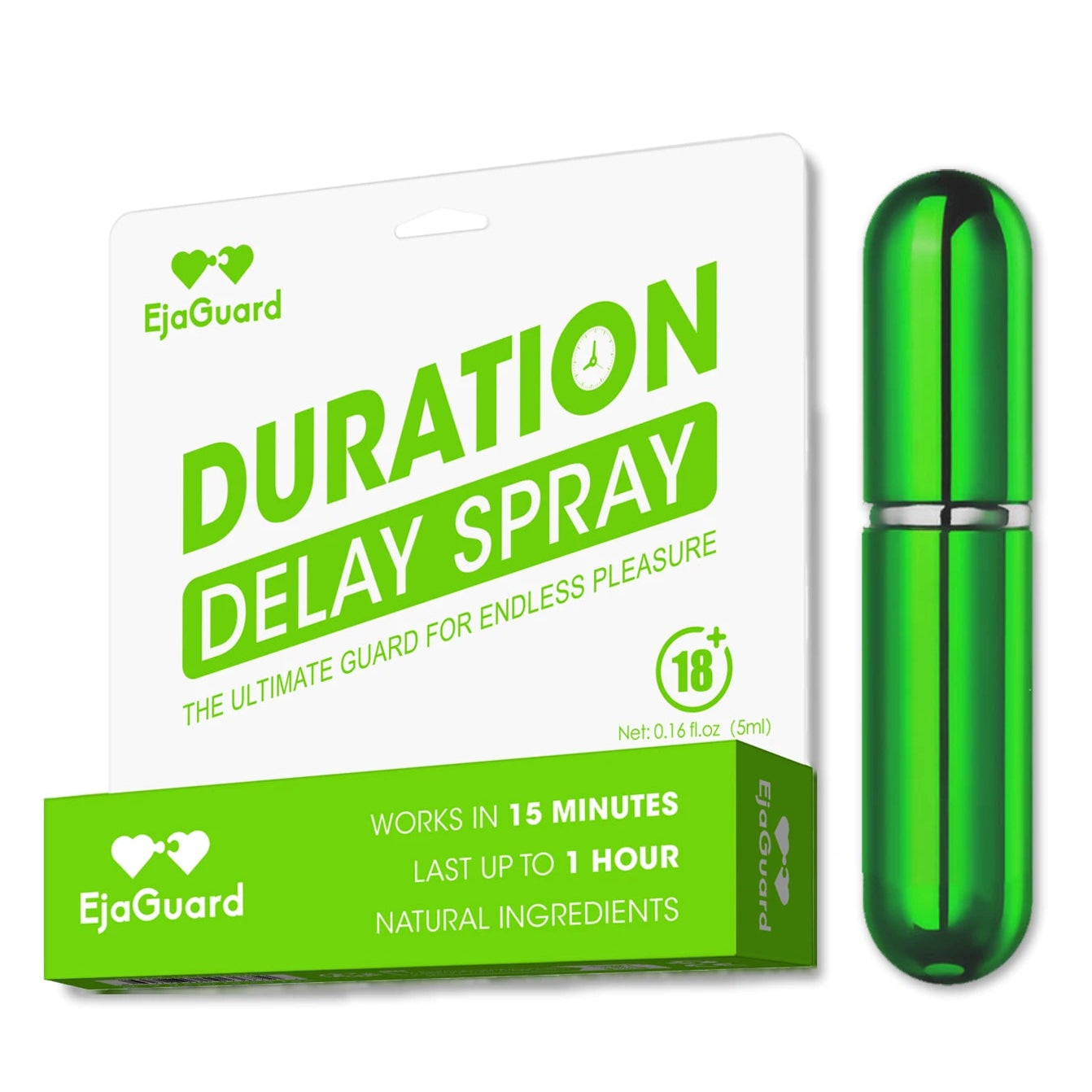
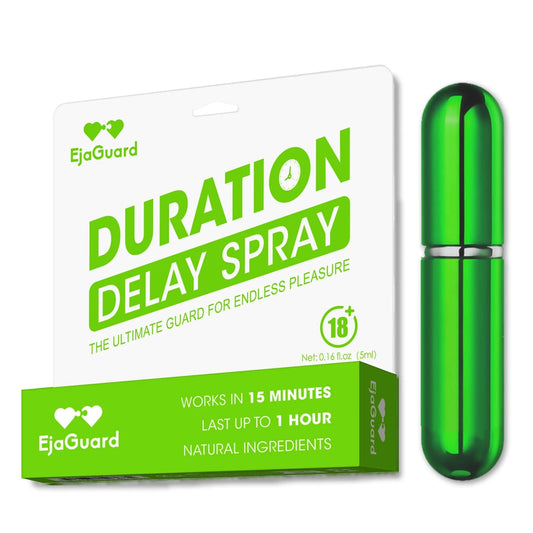
EjaGuard is a herbal delay spray positioned as a milder option for men who prefer a sensation-conscious approach. As with any topical product, users should review the ingredient list, directions, precautions, and product information carefully.

A delay spray may be considered alongside other approaches when appropriate, but it should not replace professional care for persistent depressive symptoms or ongoing sexual difficulties.
You can review the EjaGuard Delay Spray product information to learn more about the product and its intended use.
It is also important to maintain realistic expectations. A topical product may influence physical sensitivity, but sexual satisfaction involves many factors. If emotional distress is a significant part of the experience, it may need to be addressed separately.

13. When Should You Seek Professional Help?
Consider speaking with a healthcare professional if:
-
PE occurs repeatedly and causes significant distress.
-
Sexual difficulties are affecting your relationship or quality of life.
-
You have noticed persistent low mood, loss of interest, or other depressive symptoms.
-
Sexual function changed noticeably after starting or adjusting medication.
-
PE developed suddenly after a period of previously satisfactory sexual function.
-
You have additional symptoms such as erectile difficulties, pain, urinary changes, or other physical concerns.
A clinician may discuss your sexual history, mental health, medication use, physical health, and symptom timeline. Depending on the situation, they may recommend treatment, further assessment, or referral to a mental health professional.
If you are experiencing thoughts of suicide or feel unable to keep yourself safe, seek immediate support through local emergency services or a crisis service.
There is no need to wait until sexual or emotional difficulties become overwhelming before asking for help.

14. A More Balanced Approach to Sexual Health
Depression and premature ejaculation may be connected, but the relationship is not simple or identical for everyone. Depression may affect sexual desire, emotional regulation, motivation, and overall sexual experience. PE may also contribute to emotional distress, embarrassment, or reduced confidence.
Some men may experience both conditions because of overlapping factors. Others may have PE without depression, depression without PE, or sexual symptoms related to medication, physical health, relationship circumstances, or other influences.
The most useful approach is to consider the entire person rather than focusing only on ejaculation time. Emotional health, physical health, relationships, medication, sexual expectations, and personal well-being may all deserve attention.
For men experiencing persistent PE, there are different options to explore. Behavioral techniques, counseling, medical treatments, and topical delay products may each have a role depending on the individual.
The goal is not simply to last longer at any cost. It is to develop a more comfortable, satisfying, and confident sexual experience while taking care of overall health.
Depression deserves attention in its own right, and sexual health deserves the same thoughtful care. The two can be discussed together without shame, blame, or unrealistic expectations.

